




























































Frequently Asked Questions
Everything you need to know about the General Safety.
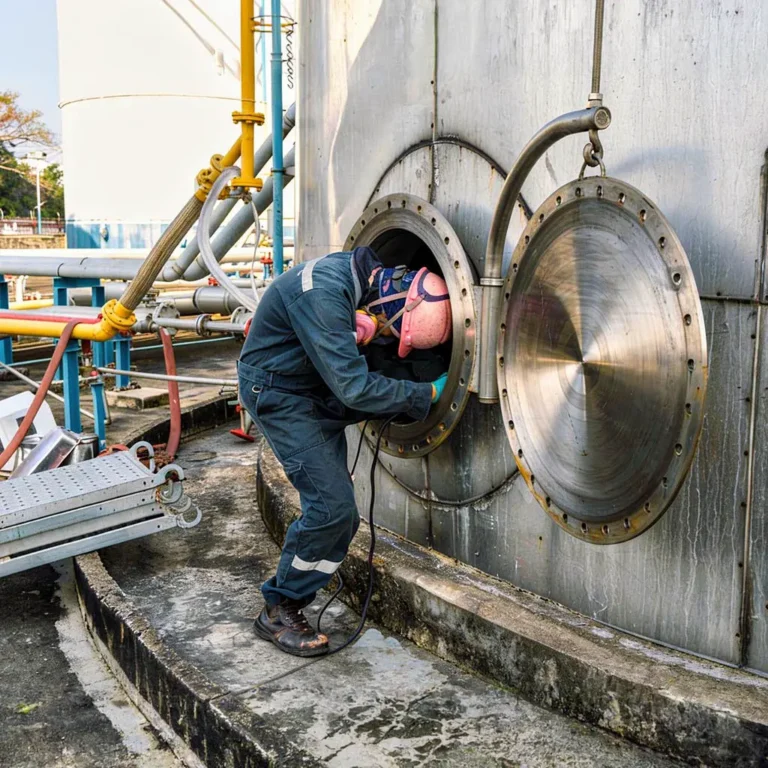
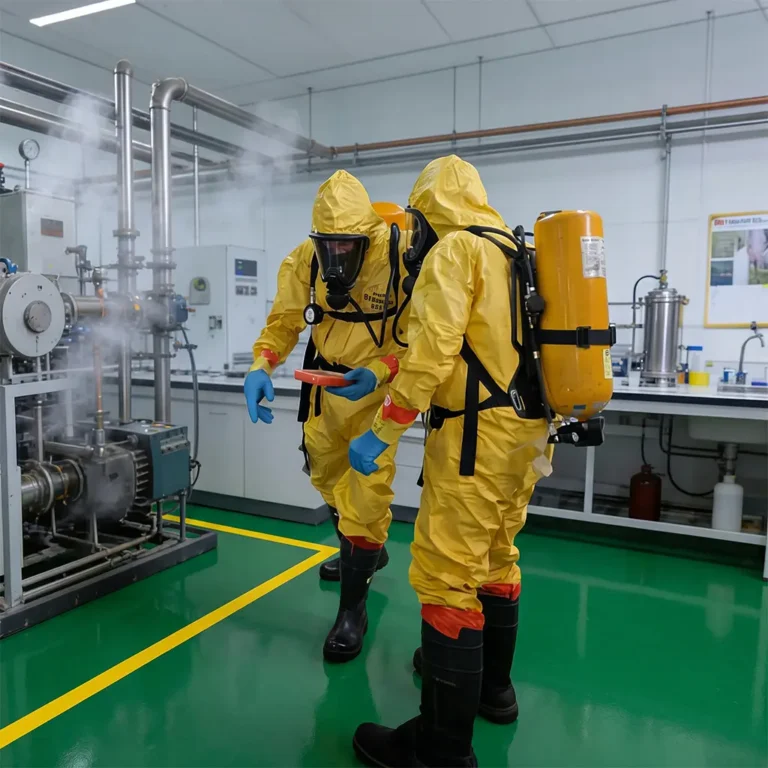
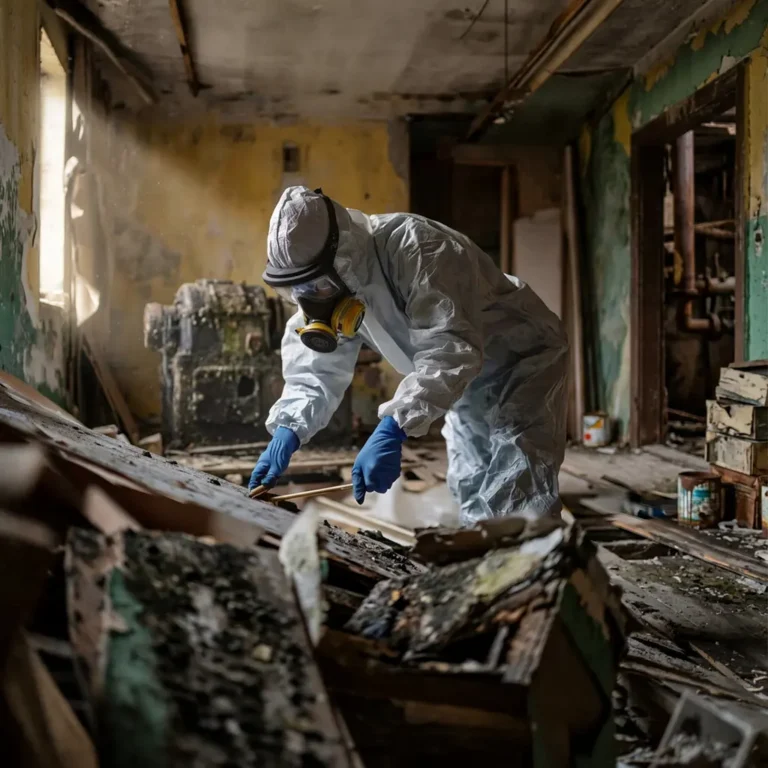
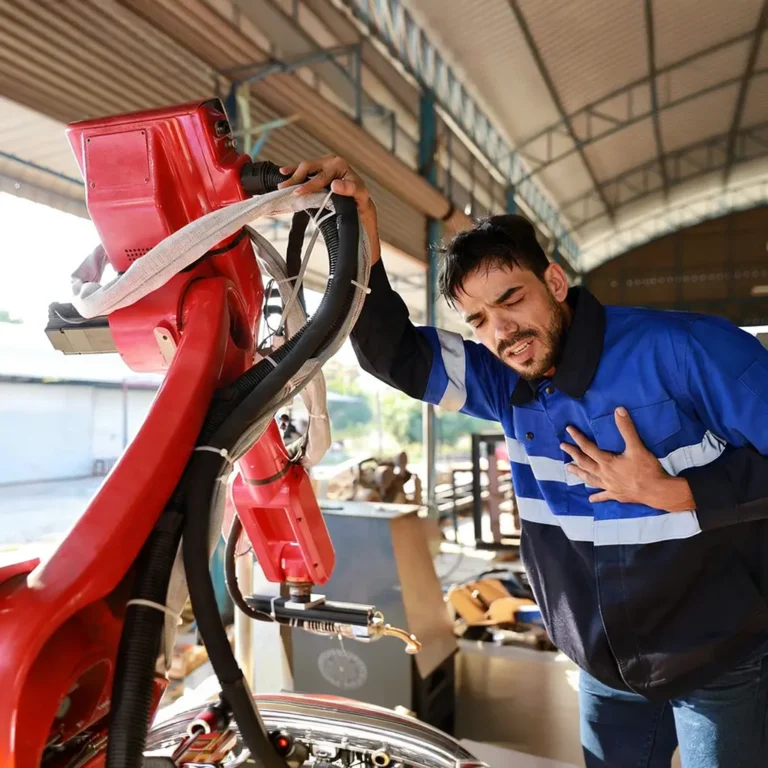
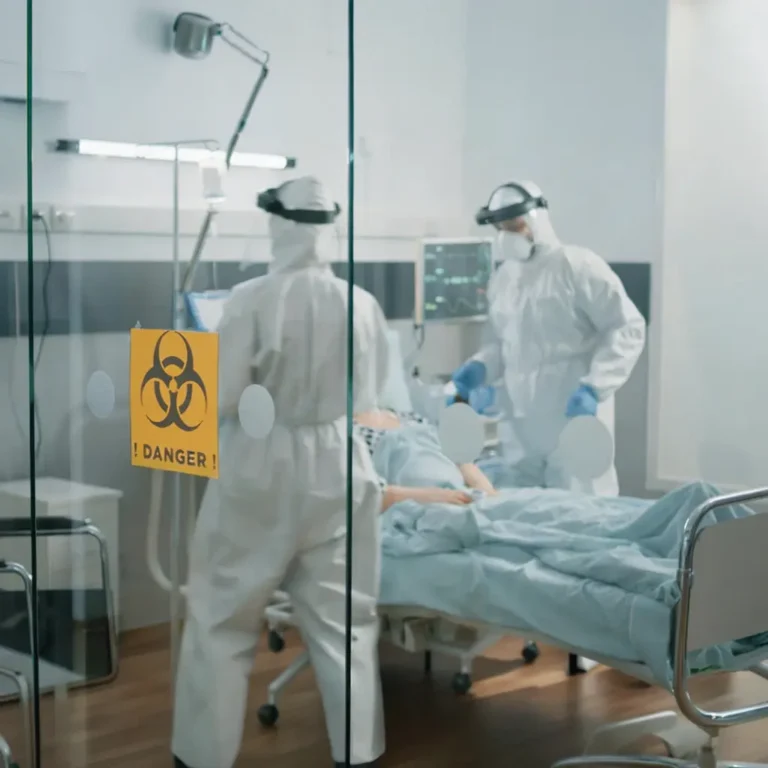
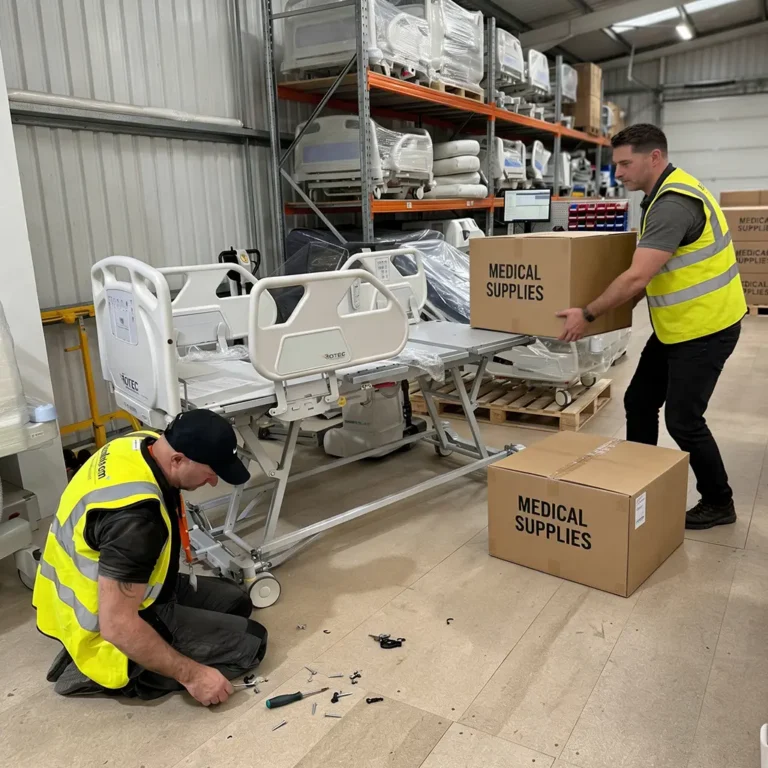
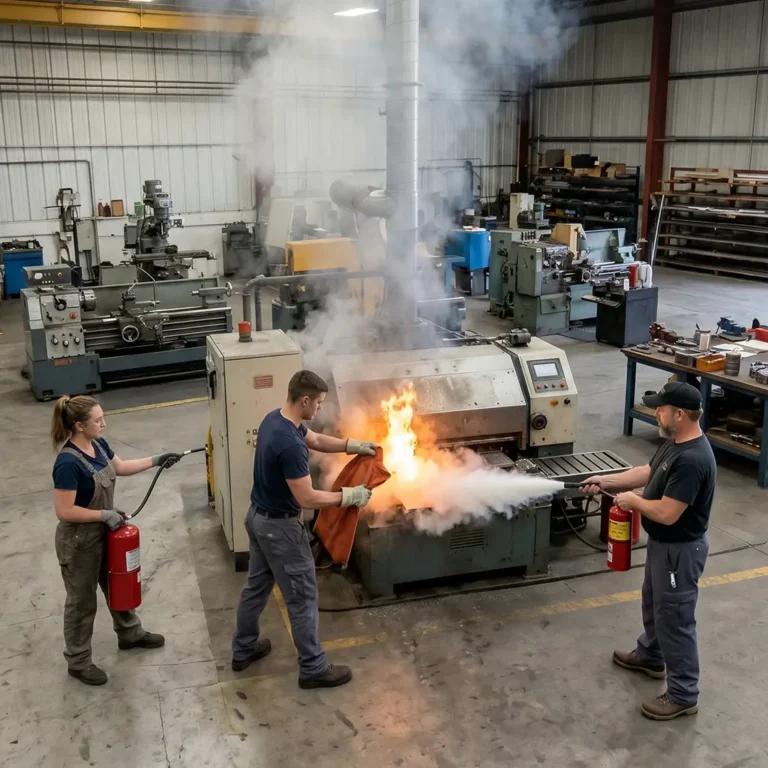
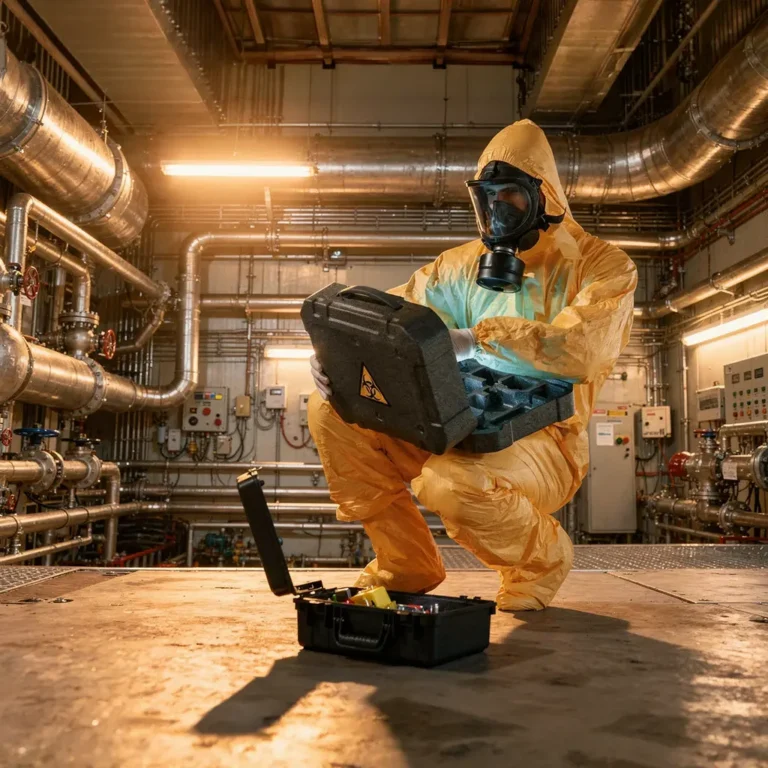
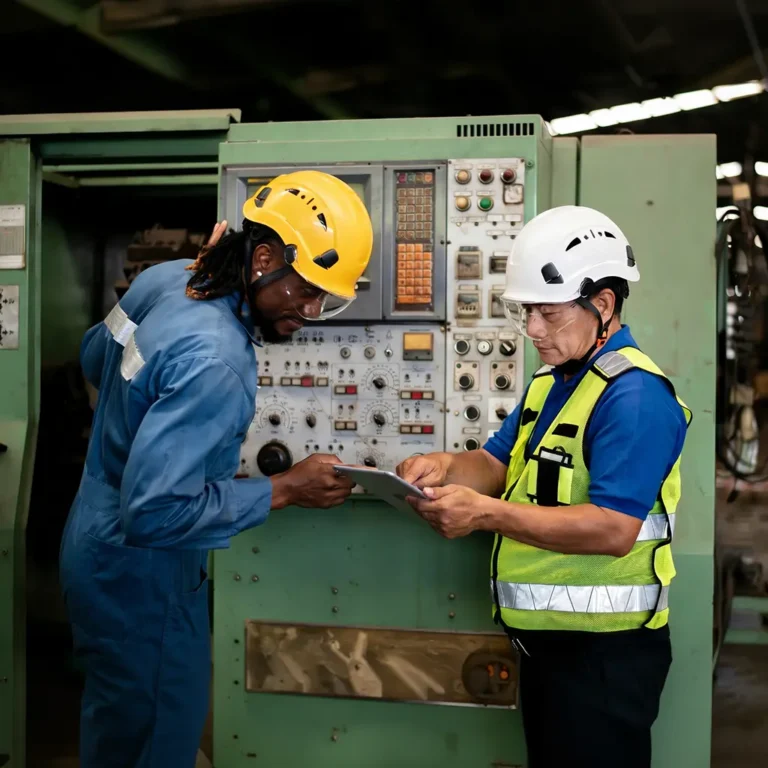
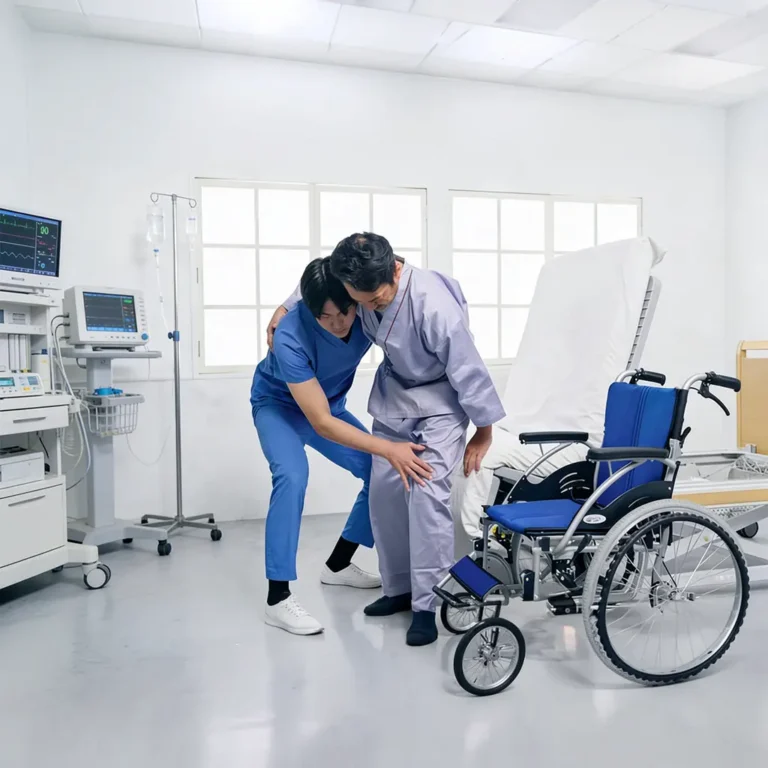
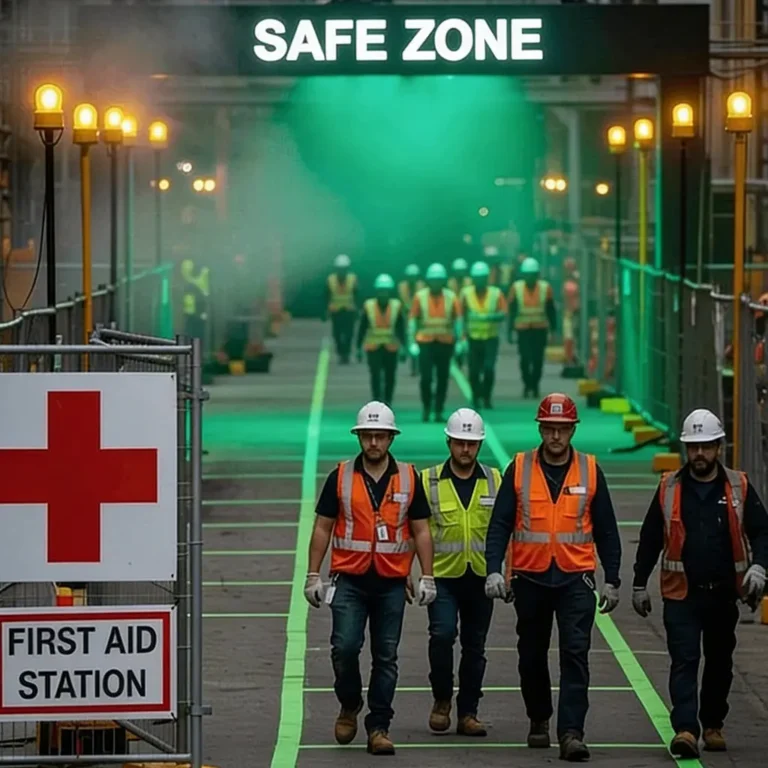
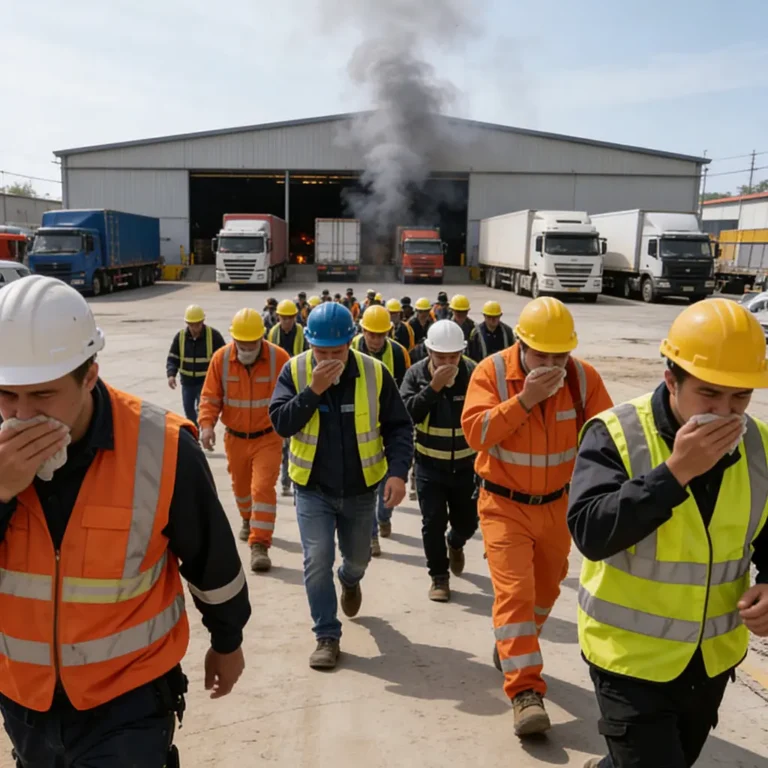
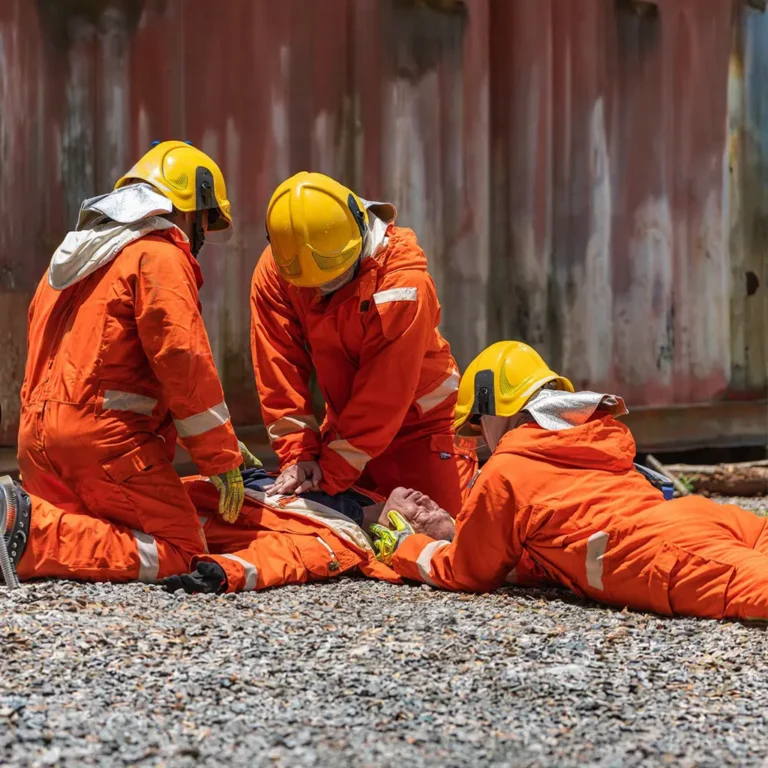
It's training on the hazards most workplaces share. Think slips and falls, fire, chemicals, hand and power tools, lifting, first aid and workplace violence. Our General Safety category has 116 courses (October 2026), so you can match training to each job instead of sending everyone through the same class.
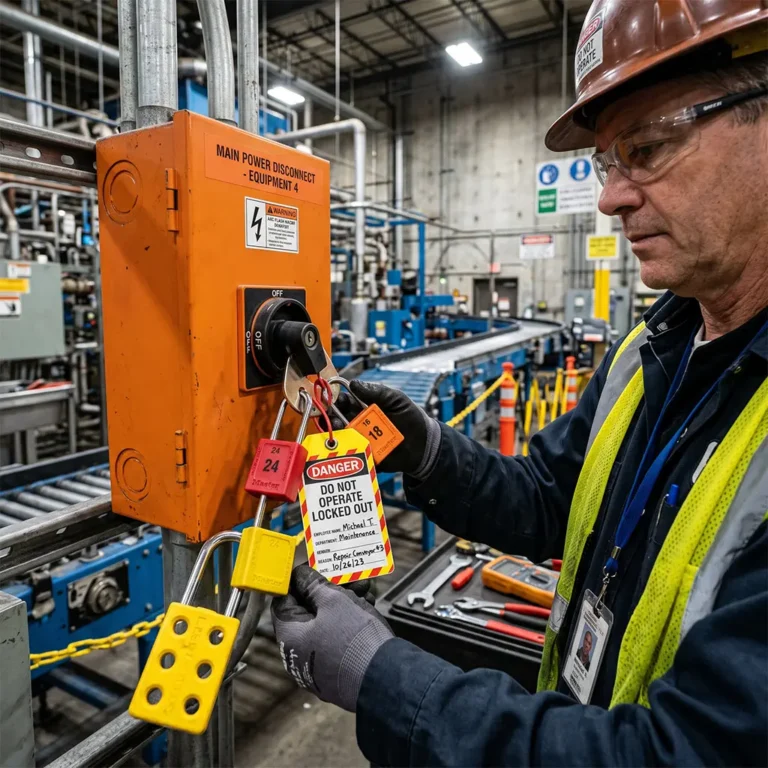
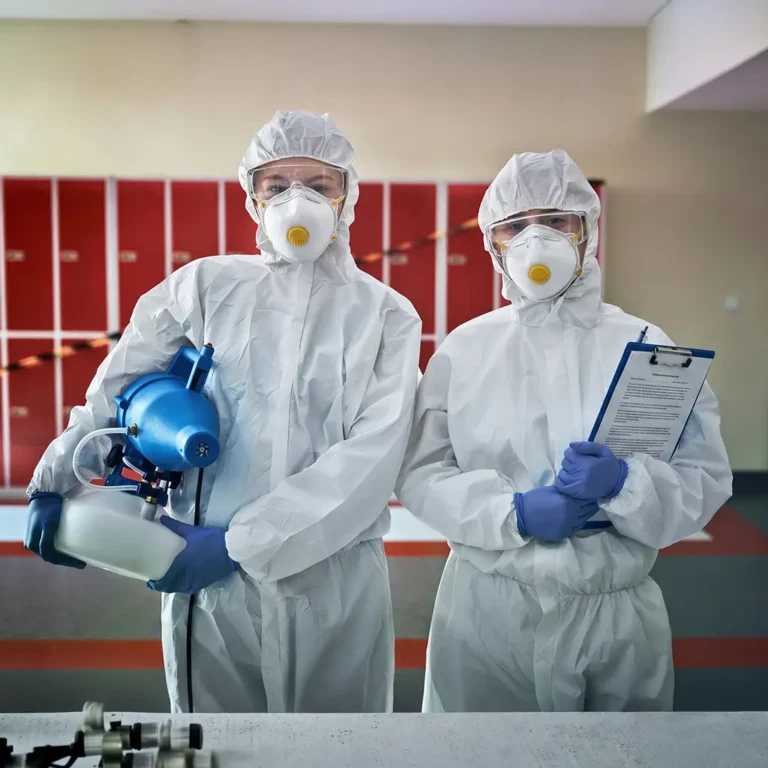
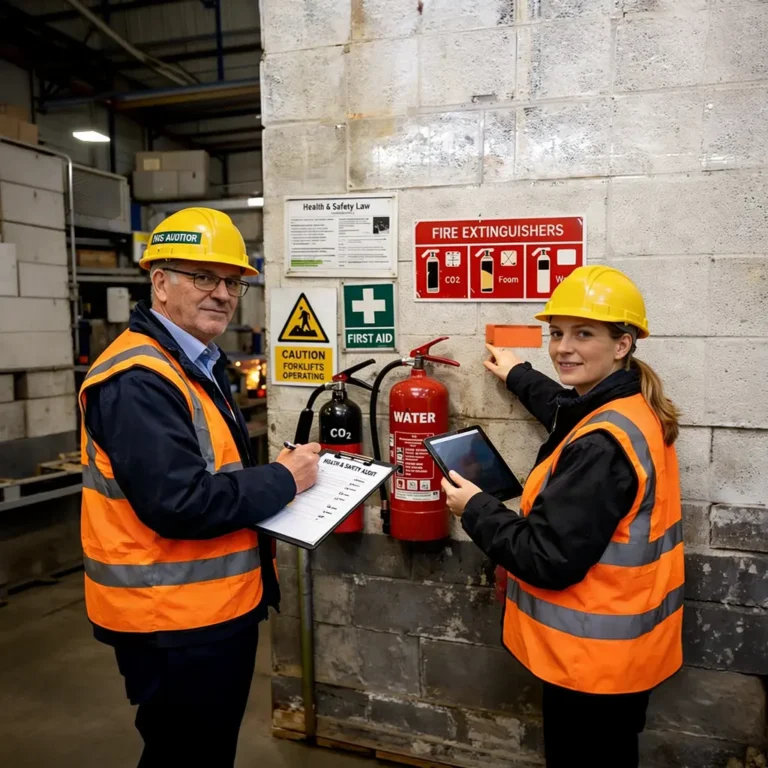
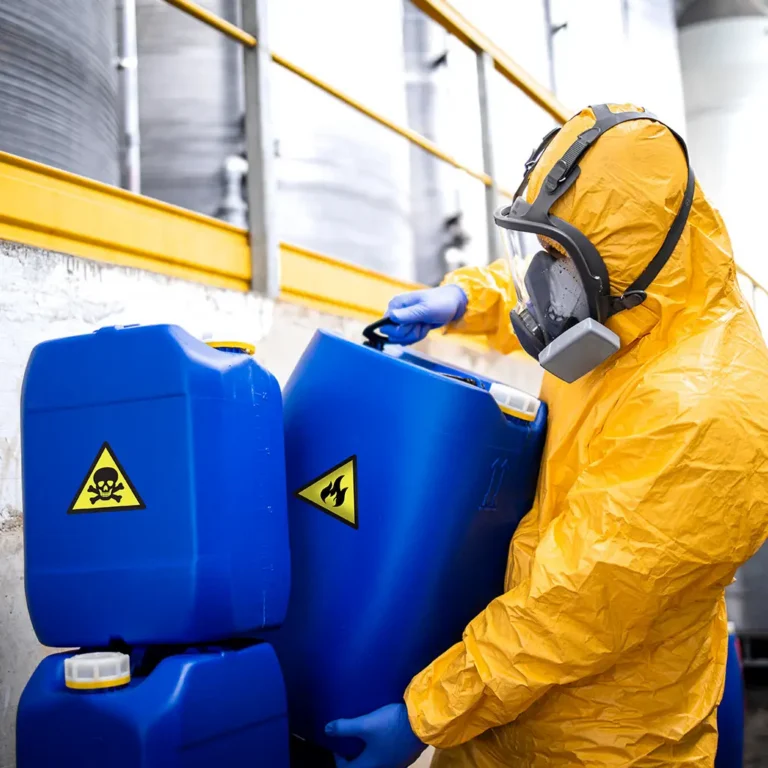
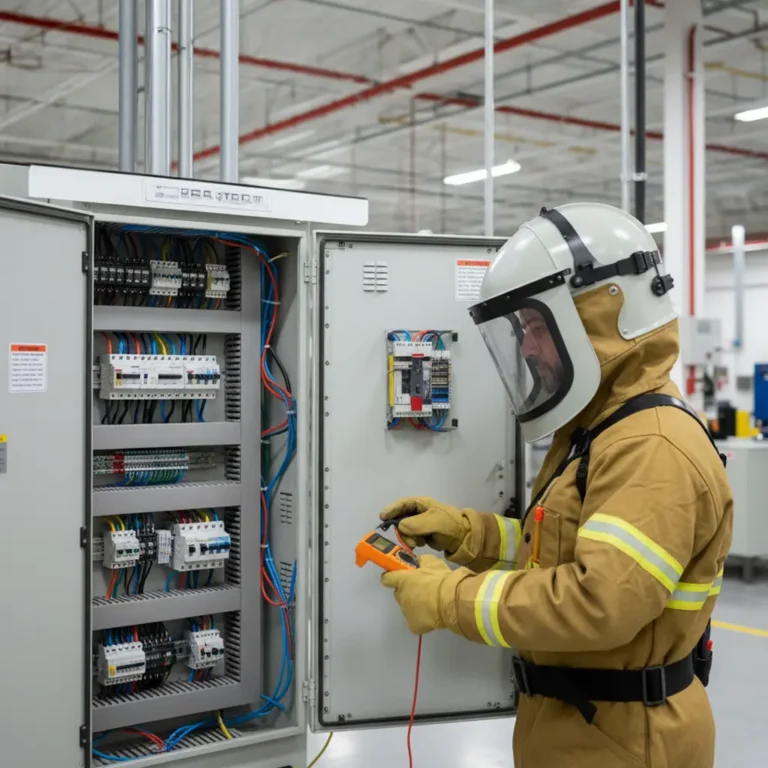
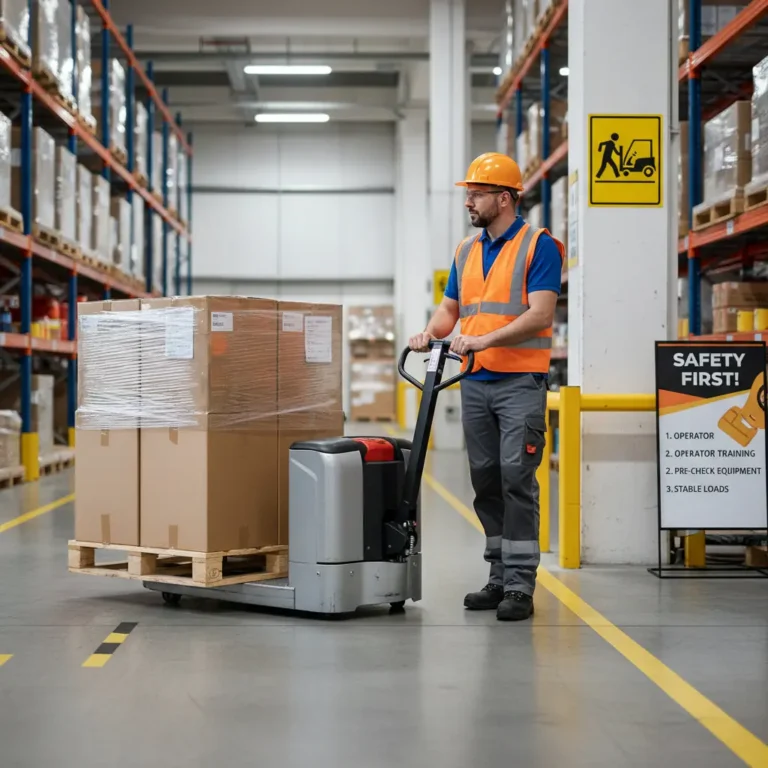
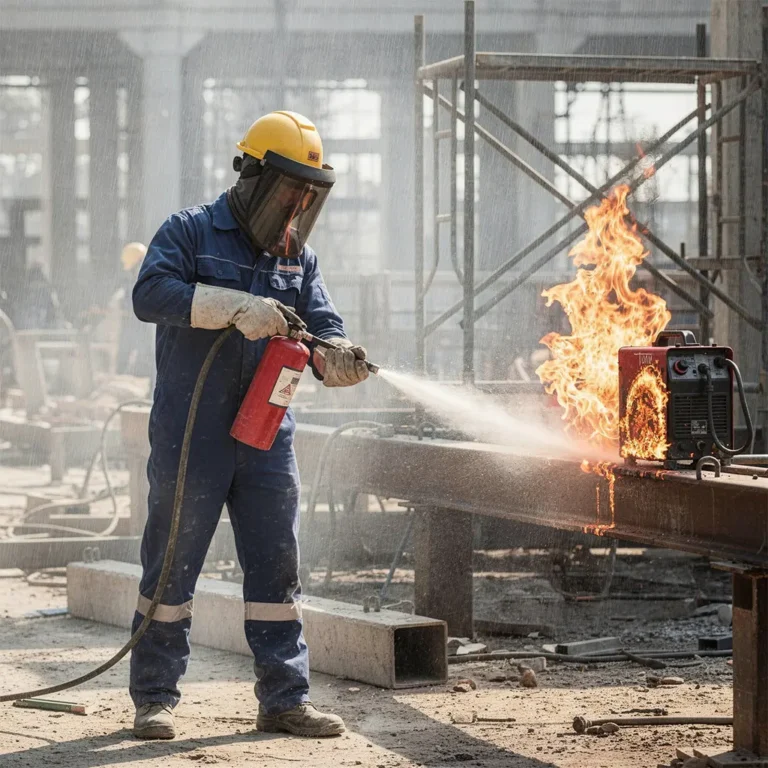
Start with the hazards your team works around, then match a course to each one. Chemicals call for hazard communication training, machines call for lockout/tagout, and lifting calls for back safety. Add fire extinguisher and emergency action plan training for everyone. Most of our general safety courses cost $19.95 to $39 (October 2026), and a business account lets you assign the right course to each person.
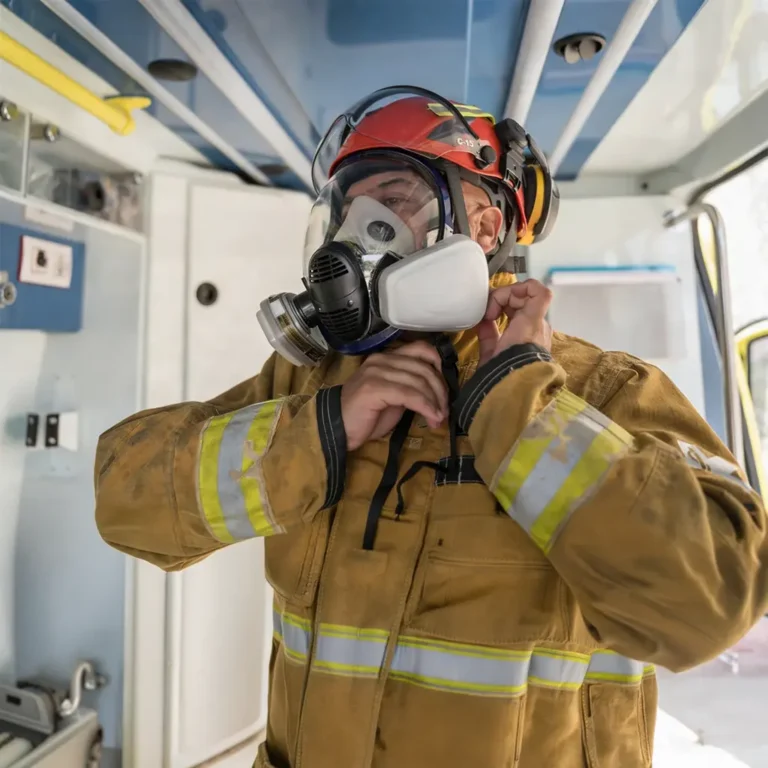
The Occupational Safety and Health Administration (OSHA) requires training for the hazards covered by its standards. Common ones are hazard communication for workers exposed to chemicals (29 CFR 1910.1200(h)), emergency action plans (1910.38(e)), personal protective equipment (1910.132(f)), lockout/tagout (1910.147(c)(7)) and fire extinguishers for workers expected to use them (1910.157(g)). OSHA 2254 lists every requirement.
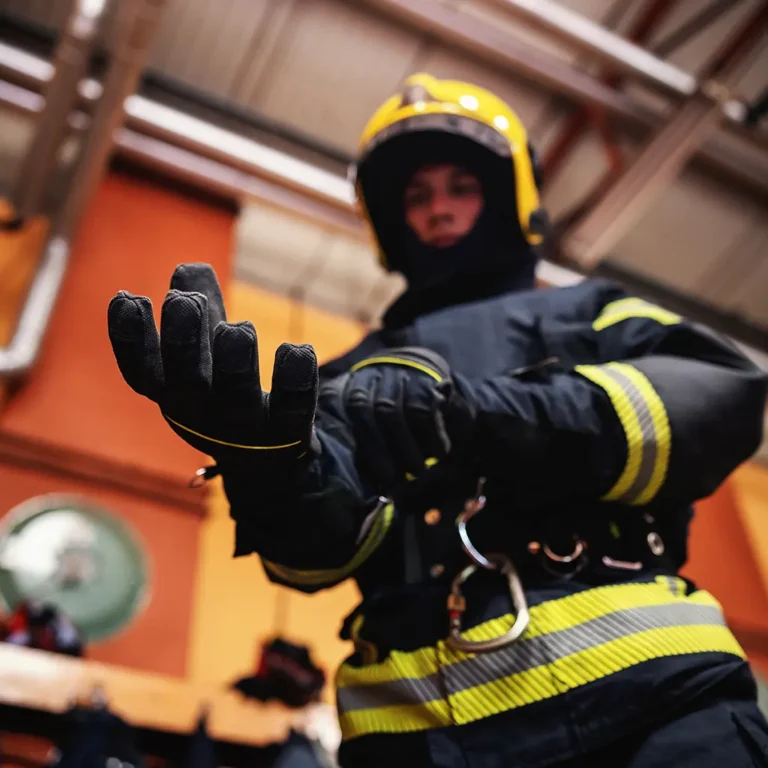
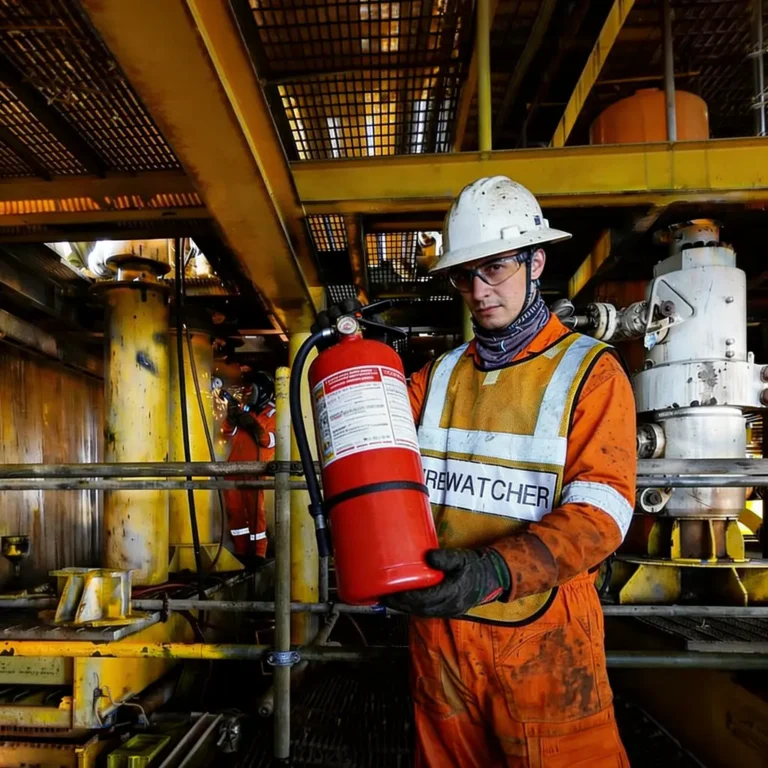
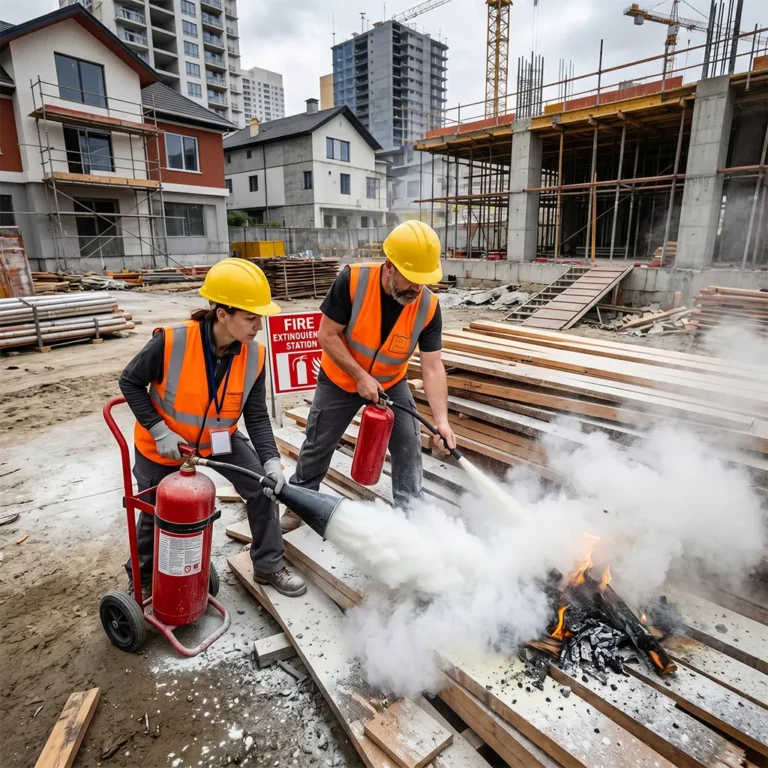
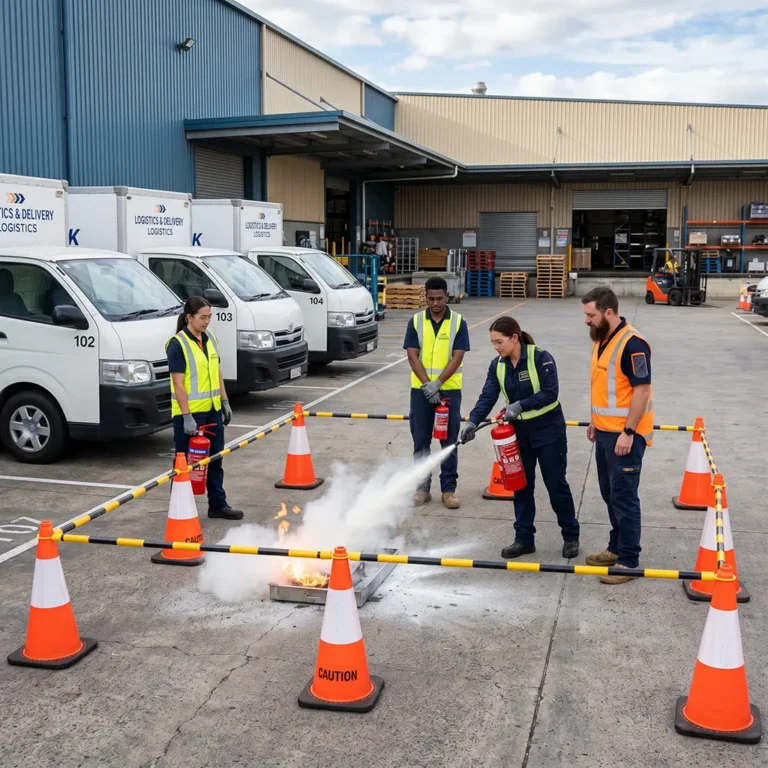
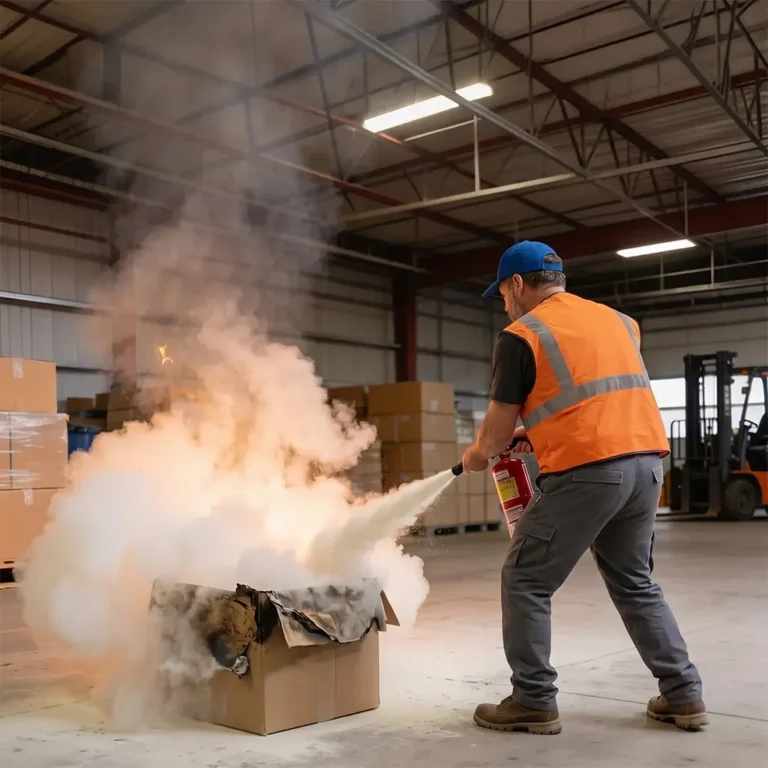
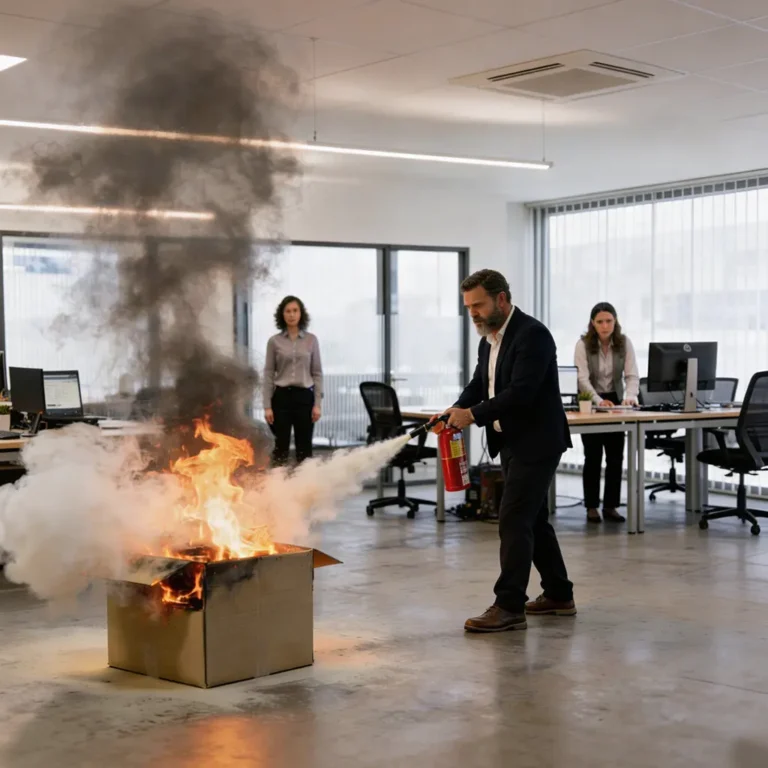
Some topics have a set schedule. Fire extinguisher training is yearly (29 CFR 1910.157(g)(2)). Most others need retraining when the job, equipment or hazards change, or when a worker shows they didn't understand. The PPE standard spells this out at 1910.132(f)(3). Many employers also run a yearly refresher because it's easy to track.
Yes, when it fits the standard. OSHA has said online training works when it covers the required topics and workers can ask a qualified person questions. Where a standard calls for hands-on skills, like using a fire extinguisher or fitting a respirator, your employer adds that practice at the workplace.
More than half take 45 to 60 minutes. The rest run from 30 minutes to a few hours, and Universal Waste Training, for example, takes about 2 hours. Courses are self-paced and work on a phone, tablet or computer, so workers can finish between tasks or at the start of a shift.
Yes. Pass the final exam with 70% or higher and you can print your certificate right away. Keep it on file: it's your proof that the training happened and when. Business accounts keep certificate records for every employee in one dashboard.
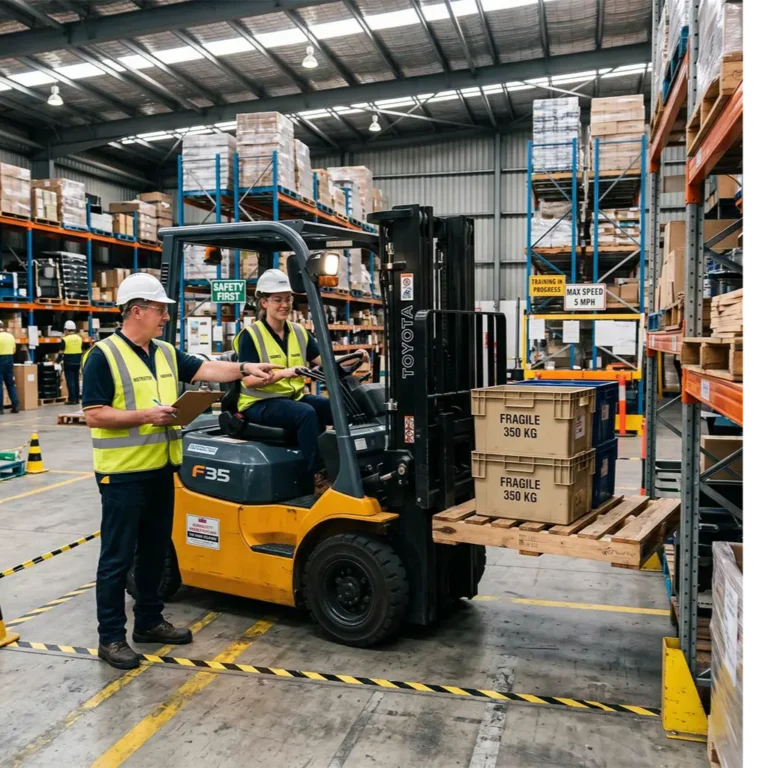
Start with the hazards they'll face in week one. For most workers that's your emergency action plan, hazard communication for the chemicals they'll handle, and the PPE their job requires. Our Safety Awareness for New Employees course covers the basics. Then add job-specific courses like lockout/tagout or forklift before they do that work.