


Hazardous Waste Program Development or Measuring the Program?
- Hazardous Waste Program Development. The requirements themselves: thresholds, clocks, containers, manifests and the records behind them.
- EHS KPI Tracking. Turning compliance activity into indicators, benchmarks and reports management will read. View the EHS KPI Tracking
- Annual Environmental Training. The refresher that keeps the rest of the workforce aligned with the programme. View the Annual Environmental Training
The Clocks a Hazardous Waste Program Has to Watch
More generators are cited for a missed deadline than for anything else, and the course opens its inspection module by saying so.
- Three days. A satellite container holds up to 55 gallons of non acute waste, or a quart of acute waste, at or near the point of generation. Once it hits the limit it moves to the central accumulation area within three days, under 40 CFR 262.15(a)(6).
- 90, 180 or 270. The accumulation clock then runs 90 days for an LQG, 180 days for an SQG, or 270 days where an SQG ships more than 200 miles. Overrun it and the site is storing waste without a permit, which is a different and far more serious problem.
- 45 and 60. After a shipment, 40 CFR 262.42 gives a large quantity generator 45 days to chase a manifest that has not come back signed, and 60 days before an Exception Report goes to the EPA regional administrator.
- Three years. Records run three years: signed manifests under 40 CFR 262.40(a), waste determinations, inspection logs, and training records kept three years past the employee's last day.
None of these are hard to meet. They are hard to remember, which is why the course pushes self audits ahead of the regulator's visit.



was a good class
great course
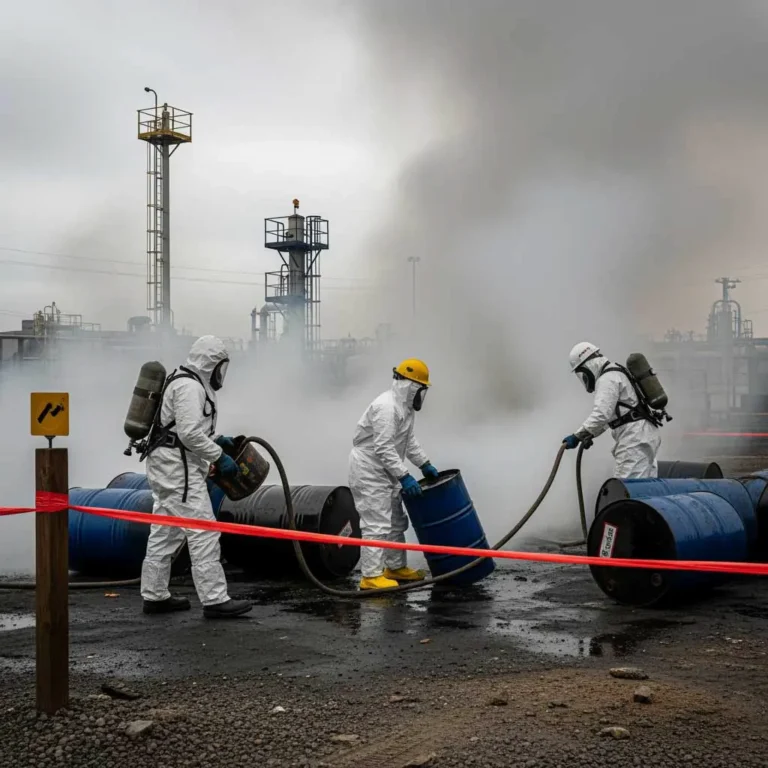
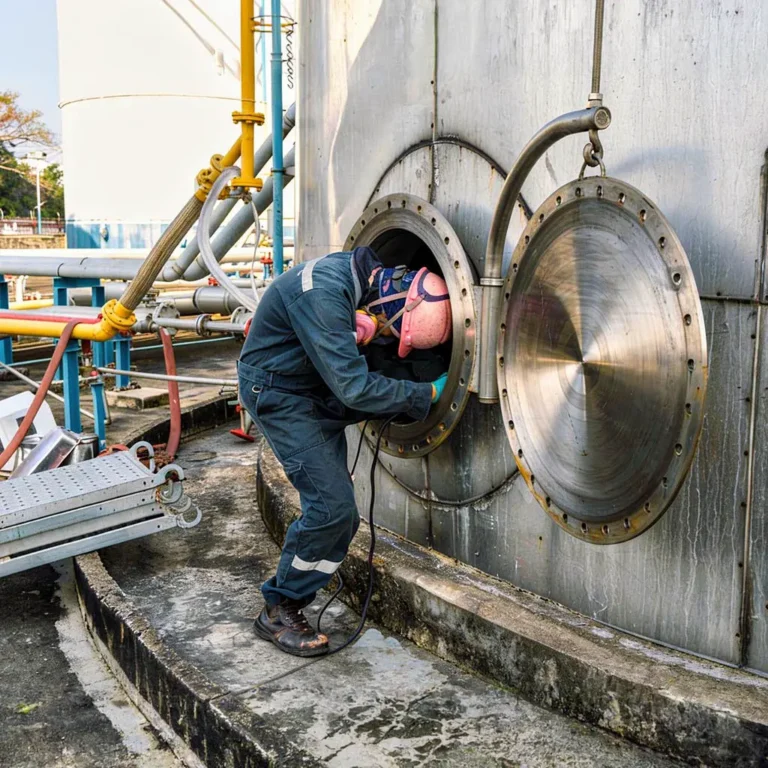
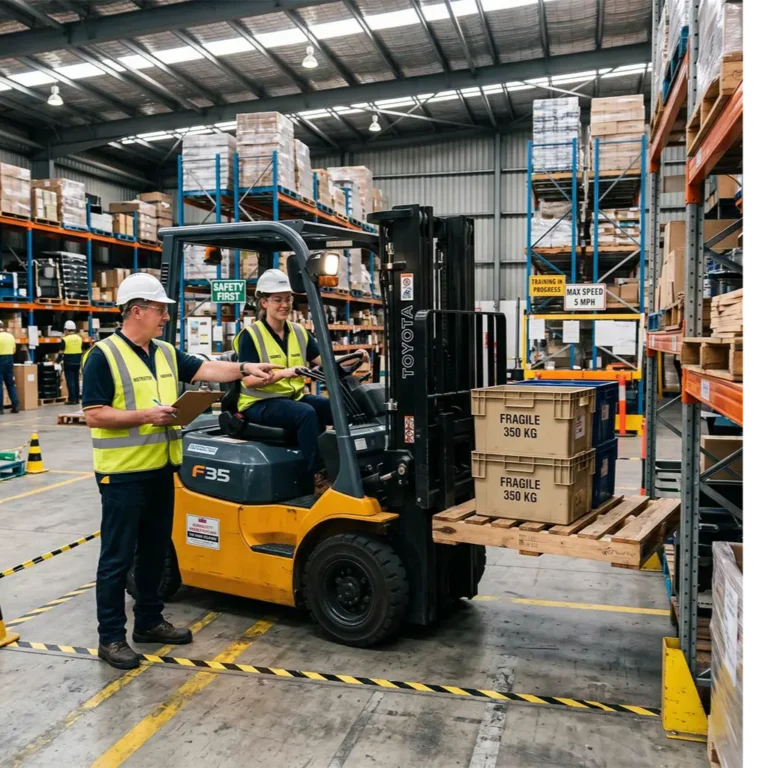
The verbal content is good, and covers what you need it to. Be aware that the images used in this training are AI generated images, and have conflicting information to what is being presented. Additionally, the quizzes/final exam are AI generated, and have incorrect answers as options for the ‘correct’ answer. During the quizzes, questions would be presented, with answer options only being True/False, when the question is not set up to receive a True/False answer.