











Frequently Asked Questions
Everything you need to know about the Healthcare.
A business account lets you buy and manage training for a whole team. You buy seats in bulk and assign courses by email. You'll see each person's progress, quiz scores and certificates from one dashboard. Workers can train on any device at their own pace.
Every year. Workers who may be exposed to blood need training when they start that job. After that, they need it at least once a year, within 12 months of the last session (29 CFR 1910.1030(g)(2)(ii) and (iv)). The training must also let workers ask questions of the person giving it (1910.1030(g)(2)(vii)(N)).
Not under a federal standard. No OSHA rule requires workplace violence training for every employer. OSHA can still cite employers under the General Duty Clause, Section 5(a)(1) of the OSH Act, when violence is a known hazard. It also publishes guidelines for healthcare and social service workers (OSHA 3148). Some states go further. California requires a violence prevention plan with training in healthcare (8 CCR 3342) and in most other workplaces (Labor Code 6401.9).
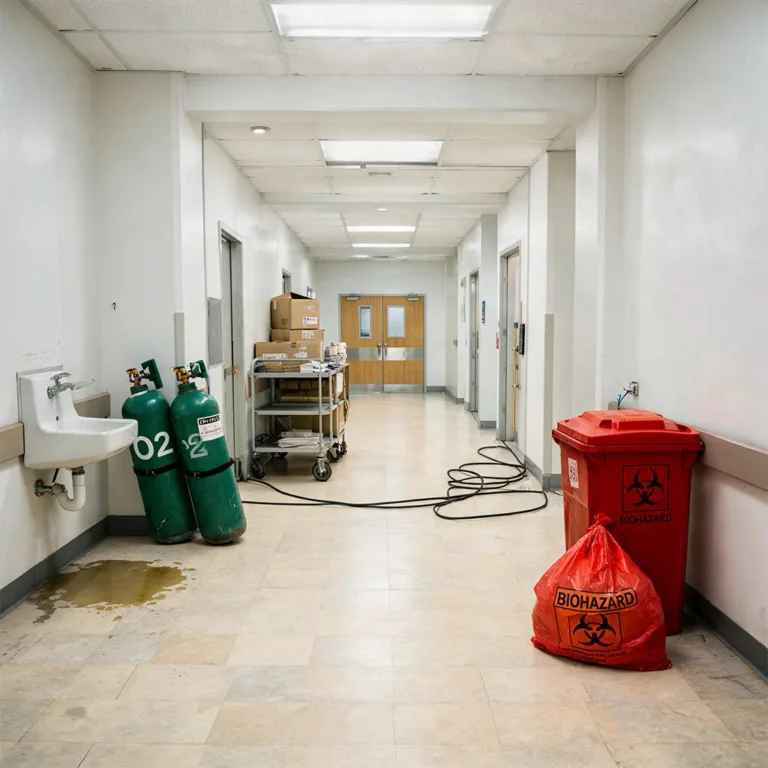
Healthcare workplaces fall under the Occupational Safety and Health Administration (OSHA) general industry rules. The big ones are Bloodborne Pathogens (29 CFR 1910.1030), Hazard Communication (1910.1200) and Respiratory Protection (1910.134). Some hazards don't have their own rule, like workplace violence and patient lifting. For those, OSHA uses the General Duty Clause, Section 5(a)(1) of the OSH Act.
No, the Health Insurance Portability and Accountability Act (HIPAA) doesn't set a yearly schedule. New staff need training within a reasonable time after they join. Staff need it again when a policy change affects their job (45 CFR 164.530(b)). The Security Rule adds security awareness training with updates from time to time (45 CFR 164.308(a)(5)). We recommend training every year because it's simple to document.
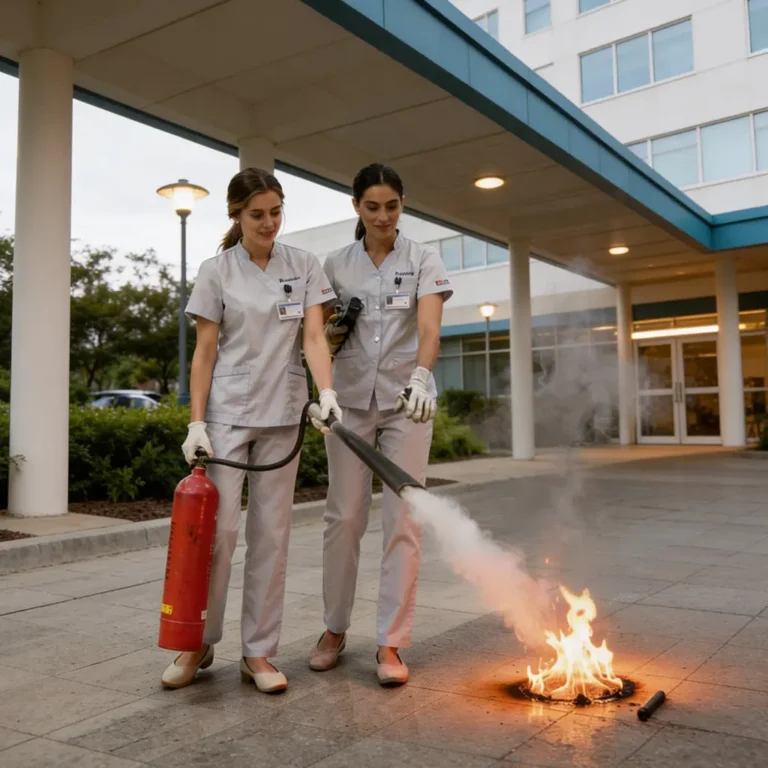
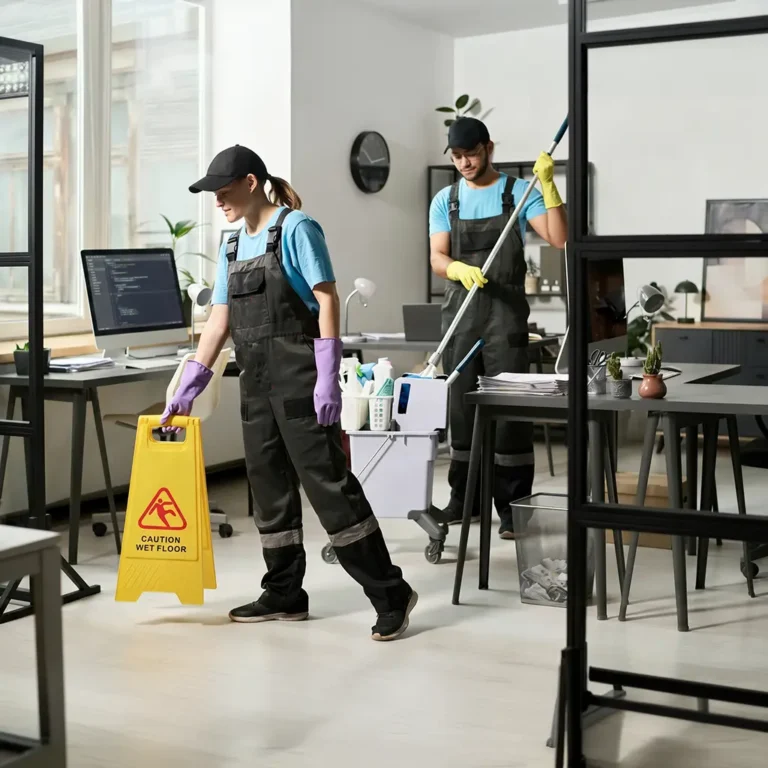
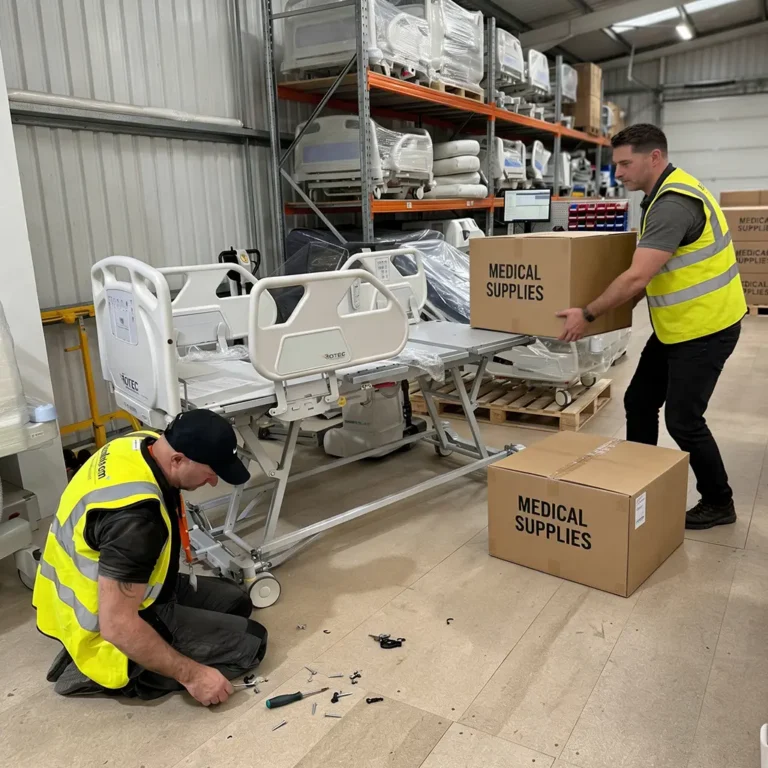
Everyone, but not the same courses. Nurses, aides and other clinical staff need bloodborne pathogens, infection control and patient handling. Office, maintenance and housekeeping staff face different hazards. That's why several of our courses come in two versions: one for medical staff and one for office and facilities staff.
No. OSHA doesn't have a rule just for TB. It handles TB hazards through the General Duty Clause and the Respiratory Protection standard (29 CFR 1910.134). That standard covers N95 respirators and fit testing. Most facilities follow the Centers for Disease Control and Prevention (CDC) TB guidelines for screening.