

Featured Courses
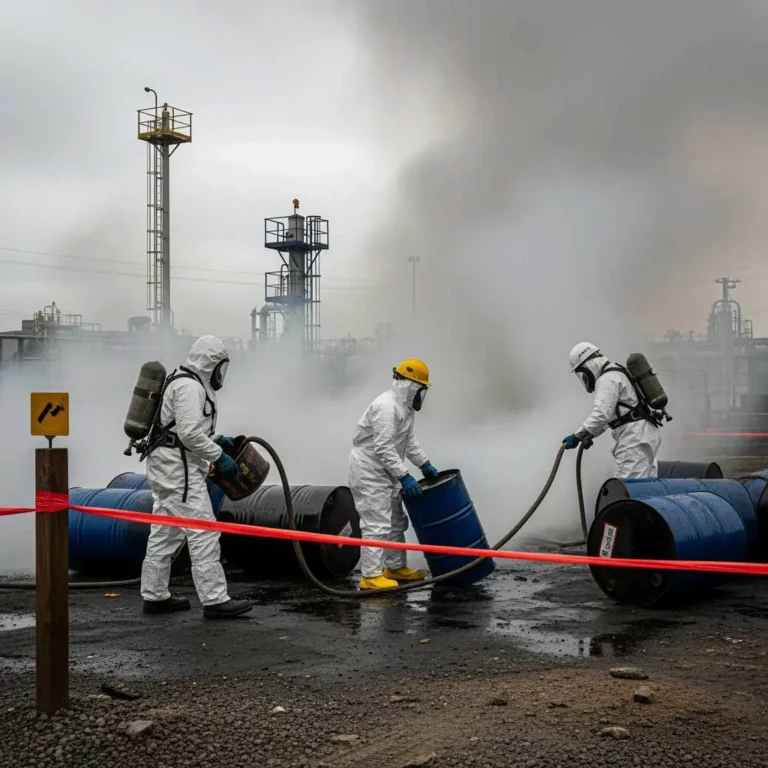
2026 8 Hour HAZWOPER Refresher

2026 8 Hour HAZWOPER Refresher

This convenient Hazwoper Refresher Course is updated annually to reflect any changes in regulation and...
Lithium Battery Safety

Lithium Battery Safety

Fires. Explosions. Environmental cleanups. Lithium battery failures are dangerous but often preventable. This new online...

View All OSHA Courses

image

$25.00

Topics Covered Include

  • Written Program Procedures

  • Medical Evaluations

  • Respirator Use

  • Proper cleaning, maintenance, and storage

  • Respirator Selection

  • Fit Testing

  • Training

  • Emergency Situations

Who Should Take This Course?

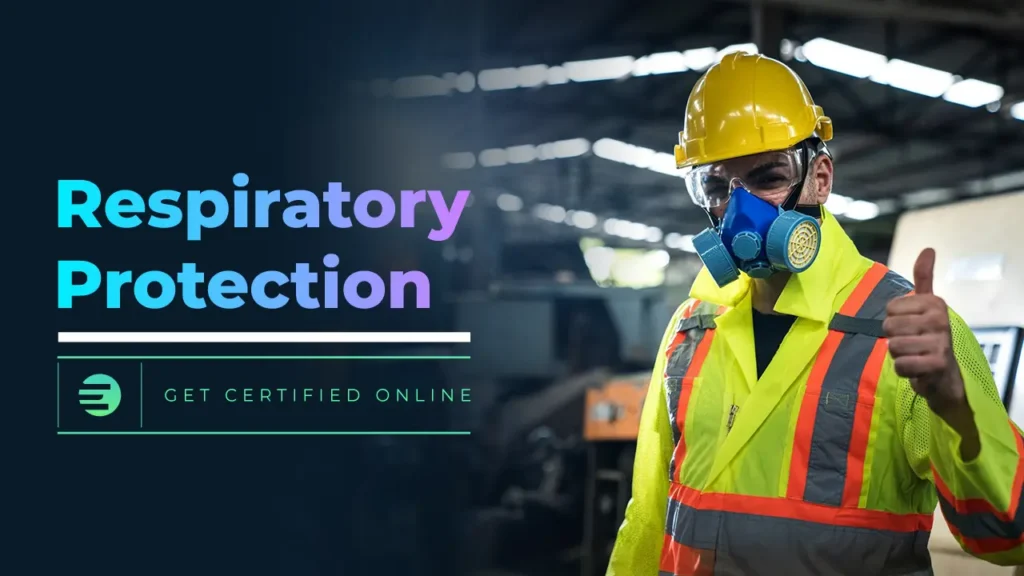
This course is designed for any worker who needs to wear a respirator or may potentially be exposed to toxic fumes, gases, or airborne contaminants of any kind.  Typical examples of workers needing this training include firefighters, construction workers, medical staff, or hazardous materials workers.

This fully narrated course is broken up into 4 separate parts, with a knowledge check quiz at the end of each part.  The quizzes will prepare you for the exam, which you will take at the end of the course.  After passing the exam with a score of 70% or better, you will be able to print a personalized certificate with your name, the course you passed, the date taken, certificate number, as well as our company information should anyone need to verify the authenticity of the certificate.

This course is approximately 90 minutes in length.

Why We’re the Best

For over 14 years, we've been certifying hundreds of thousands of workers with high-caliber compliance training that actually engages learners. While competitors offer glorified PowerPoint presentations, we invest in superior animation, professional narration, and thoughtful instructional design. Our courses aren't just compliant, they're memorable and effective. We make quality training easy to deploy, manage, and track, with responsive North American support. Whether you're onboarding 10 workers or 10,000, you get the same premium experience backed by proven results.

Employee Progress Tracking

Our customized progress tracking software will automatically provide up to date information on where your employees are within a course.

Ease of use

Combining the accessibility of online training with the self-paced nature of our courses, and the ability to deliver them on almost any device, offers the ultimate in training convenience.

Quality

A well-designed and thought out course increases student engagement and retention. The quality of the content and delivery of our online training is second to none.

Customer Service

It is important to us that our customers get any questions or issues answered quickly. We guarantee that our staff will be accessible and responsive, whether by phone or email.

Any Device

Combining the accessibility of online training with the self-paced nature of our courses, and the ability to deliver them on almost any device, offers the ultimate in training convenience.

no-img
Employee Progress Tracking

Our customized progress tracking software will automatically provide up to date information on where your employees are within a course.

no-img
Ease of use

Combining the accessibility of online training with the self-paced nature of our courses, and the ability to deliver them on almost any device, offers the ultimate in training convenience.

no-img
Quality

A well-designed and thought out course increases student engagement and retention. The quality of the content and delivery of our online training is second to none.

no-img
Customer Service

It is important to us that our customers get any questions or issues answered quickly. We guarantee that our staff will be accessible and responsive, whether by phone or email.

no-img
Any Device

Combining the accessibility of online training with the self-paced nature of our courses, and the ability to deliver them on almost any device, offers the ultimate in training convenience.

Frequently Asked Questions

Respiratory protection training teaches workers how to properly select, use, inspect, and maintain respirators to protect against airborne hazards in the workplace. Under OSHA 29 CFR 1910.134, employers must provide training before workers use respirators, covering: when and why respirators are necessary, how to put on and remove them, limitations of respirators, medical evaluation requirements, fit testing procedures, maintenance and storage, and emergency procedures. Training must be repeated annually.

OSHA requires respiratory protection training for all employees who are required to wear respirators in the workplace, as well as those who voluntarily use respirators (filtering facepieces/N95s used voluntarily have reduced requirements). This includes construction workers exposed to silica or dust, painters, welders, healthcare workers, firefighters, HAZWOPER workers, asbestos/lead abatement workers, laboratory workers, and anyone exposed to harmful airborne contaminants above OSHA Permissible Exposure Limits (PELs).

OSHA requires annual respiratory protection retraining - at a minimum once every 12 months. Retraining is also required when changes in workplace conditions or respirator types make previous training obsolete, when workers demonstrate inadequate knowledge, or when any other situation arises that requires retraining. Annual fit testing is also required separately.

A fit test is a procedure to verify that a specific make, model, and size of respirator forms an adequate seal on a worker’s face. OSHA requires fit testing before initial use and at least annually thereafter. There are two types: (1) Qualitative fit testing (QLFT) – a pass/fail test using taste or smell agents (like Bitrex or saccharin); (2) Quantitative fit testing (QNFT) – uses instruments to measure actual leakage into the facepiece. Online training does not replace the hands-on fit test, which must be done in person.

Air-purifying respirators (APRs) filter contaminants from ambient air using cartridges, canisters, or filters. They include N95 filtering facepieces, half-face and full-face respirators, and powered air-purifying respirators (PAPRs). Supplied-air respirators (SARs) provide clean breathing air from an external source through a hose or self-contained tank (SCBA). SARs are required in oxygen-deficient atmospheres (below 19.5%) and in IDLH (Immediately Dangerous to Life or Health) conditions where APRs are insufficient.

OSHA requires employers to establish a written respiratory protection program when respirators are required in the workplace. The program must include: procedures for selecting respirators, medical evaluation requirements, fit testing procedures, proper use and maintenance, training provisions, air quality standards for supplied-air systems, and program evaluation procedures. A designated program administrator must oversee implementation.

Before an employee can be fit tested or use a respirator, OSHA requires a medical evaluation to determine the worker’s ability to wear a respirator. The evaluation uses the OSHA Respirator Medical Evaluation Questionnaire (Appendix C to 29 CFR 1910.134) and is reviewed by a physician or other licensed health care professional (PLHCP). Workers with conditions like lung disease, heart disease, or claustrophobia may be restricted from certain respirator types.

NIOSH (National Institute for Occupational Safety and Health) tests and certifies respirators to ensure they meet minimum performance standards. OSHA requires that employers only provide NIOSH-certified respirators. Common NIOSH certifications include N95 (filters at least 95% of airborne particles), N99, N100, R95, P95, and P100 for particulate respirators, and specific approvals for gas/vapor cartridges. Always verify respirators bear the NIOSH approval label.

IDLH stands for Immediately Dangerous to Life or Health – an atmosphere that poses an immediate threat to life, would cause irreversible health effects, or would impair a worker’s ability to escape. Examples include oxygen levels below 19.5%, high concentrations of toxic gases, and fire/explosion hazards. In IDLH conditions, OSHA requires the highest level of respiratory protection: either a full-face pressure-demand SCBA or a combination full-face SAR with an escape SCBA.

Yes. eTraining’s Respiratory Protection Training covers all OSHA-required knowledge-based training topics. However, employers must still provide hands-on fit testing in person (qualitative or quantitative), medical evaluations through a licensed healthcare professional, and site-specific instruction on the particular respirators and hazards in their workplace. Online training fulfills the educational component of OSHA’s training requirements.

Your go-to source for workplace safety updates.

Join our monthly newsletter covering industry stories, news & timely updates, and get a free 110-page OSHA manual covering the latest training requirements.

no-img

eTraining and the eTraining logo copyright 2026 eTraining, Inc. All Rights Reserved.