

Featured Courses
Previously trained hazardous waste workers complete required OSHA annual refresher certification training

2026 8 Hour HAZWOPER Refresher

Annual 8-hour HAZWOPER refresher meeting OSHA 29 CFR 1910.120(e)(8) requirements.
Comprehensive lithium battery safety safety training for workers and workplace for workplace compliance

Lithium Battery Safety

Covers what happens when lithium batteries fail and how to prevent fires and explosions.

View All OSHA Courses

image

Scaffold Safety Course

4.3(20 reviews)
Scaffold Safety Course

Course Overview

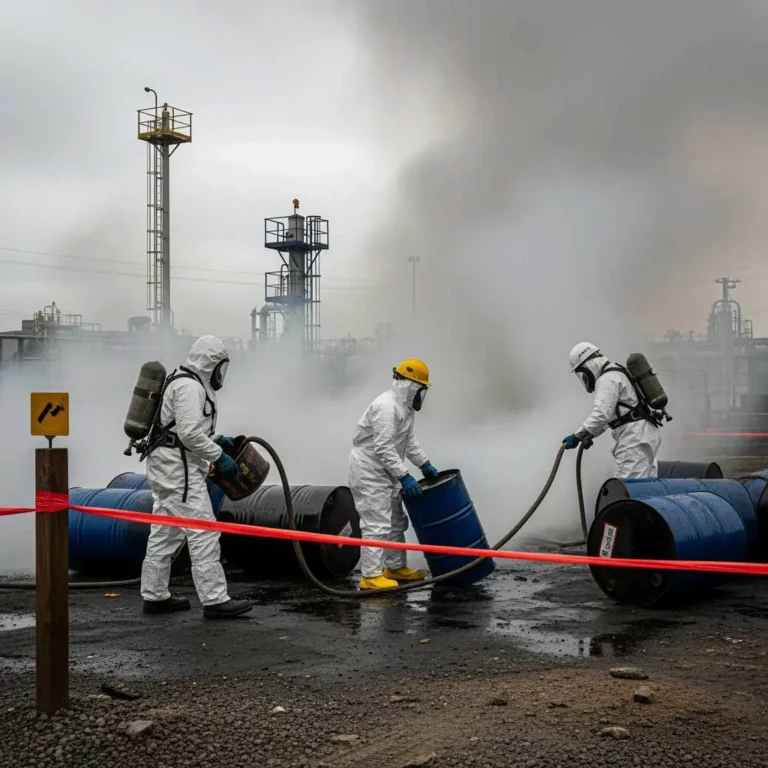
Awareness-level scaffold training for workers who work on or around scaffolds, built to OSHA 29 CFR 1926.451 and 1926.452. Four parts cover the scaffold types, the hazards, the fall protection rules and the platform requirements.

  • Covers supported, suspension and mobile scaffolds, plus the specific named types inside each category.
  • Explains which scaffolds need guardrails, which need a personal fall arrest system, and which need both.
  • Works through platform construction, plank spans, scaffold access rules and the 4-to-1 tipping ratio.

Note: eTraining also offers a more in-depth Scaffolding Safety for the Competent Person course for workers who need competent person-level training

  • 1-2 hours, self-paced
  • Instant certificate
  • Mobile friendly
$20.00

Per seat. One-time payment, no subscription.

+

30-day satisfaction guarantee. No hidden fees.

Everything You Need to Know
About This Course

The Scaffold Safety Course runs in four parts, each ending with a quiz. Part 1 covers the scaffold types, Part 2 the hazards and how they are controlled, Part 3 the regulations, definitions and platform rules, and Part 4 the requirements for each scaffold type plus training.

  • The three scaffold categories: supported, suspension and mobile.
  • Supported scaffold types, from bricklayer's square and tube-and-coupler to pump jack and window jack.
  • Suspension scaffold types, including two-point, catenary, float, needle beam and boatswain's chair.
  • Mobile scaffolds, rolling towers, rolling ladders and scissor lifts.
  • The nine hazard families: falls, falling objects, power lines, unstable conditions, equipment failure, housekeeping, personnel, ergonomics and compliance.
  • Fall protection by scaffold type: when a guardrail system, a personal fall arrest system, or both are required.
  • Guardrail dimensions, midrails, and when cross bracing can stand in for a rail.
  • Falling object protection: toeboards, screens, debris nets, catch platforms, canopies and barricades.
  • Capacity: four times the maximum intended load, rated load and stall load.
  • Suspension rope and counterweight safety factors.
  • Scaffold access: ladders, stair towers, ramps, rest platforms, and why cross braces are never access.
  • Platform construction: planking, decking, spans, overlap, gaps and the 14-inch rule.
  • Wood plank grading, load ratings and allowable deflection.
  • Supported scaffold footings, base plates, mudsills, plumb and the 4-to-1 tipping ratio.
  • Requirements for specific scaffold types under 29 CFR 1926.452.
  • Suspension scaffold rigging: outrigger beams, tiebacks, hoists and wire rope.
  • Mixing components from different manufacturers or different metals.
  • The duties of the competent person and the qualified person.
  • Scaffold training and retraining requirements under 29 CFR 1926.454.

OSHA Standard29 CFR 1926.451
Course Duration1-2 hours
Format100% online, fully narrated with photos and interactivity
Passing Score70% on final exam
CertificatePersonalized certificate, printable immediately upon passing
LanguagesEnglish
Device CompatibilityDesktop, tablet, and smartphone
ProgressProgress saved automatically, stop and restart without losing your place
Instructor SupportAccess professional instructors for guidance and answers to your course-related questions.
AcceptedOur courses meet federal standards, but state requirements may vary. Please verify before purchase.

The Scaffold Safety Course is for anyone who works on, from or near a scaffold.

  • Construction workers who perform work on or from scaffolds.
  • Painters, plasterers and siding installers working at height.
  • Bricklayers and masonry workers using supported scaffolds.
  • Window washers and building maintenance workers on suspended scaffolds.
  • Scaffold erectors and dismantlers.
  • Safety officers overseeing scaffold operations on job sites.
  • General labourers who work in or around scaffolding areas.
  • Building maintenance and renovation workers.
  • Workers using mobile scaffolds, scissor lifts or boom lifts.
  • Any worker who performs work on, from or near scaffolding.

These are the trades where a platform goes up before the work starts, and where a plank, a guardrail or a footing is the difference between a shift and a fall.

  • Commercial and residential construction
  • Building renovation and restoration
  • Painting and wall finishing contractors
  • Masonry and bricklaying contractors
  • Industrial maintenance and plant turnarounds
  • Shipbuilding and marine construction
  • Power plant construction and maintenance
  • Window cleaning and building facade maintenance
  • Government and municipal building projects
  • Event staging and entertainment rigging

Experience the first 5 minutes of the course right here. No account or payment required.

Scaffold Awareness or Competent Person Training?

29 CFR 1926.454 splits scaffold training in two: everyone who works on a scaffold, and everyone who erects, moves, inspects or dismantles one. The catalogue follows the same split.

  • Scaffold Safety Course. The page you are on. One to two hours of awareness-level training for workers who use scaffolds: the types, the hazards, fall protection, platform and access rules. Buy it for everyone who sets foot on a platform.
  • Scaffolding Competent Person Training. The in-depth course for the person who inspects scaffolds before each shift, directs erection and dismantling, and makes the calls the standard reserves for a competent person. View the Scaffolding Competent Person Training
  • Suspended Scaffolding Safety in Construction Environments. Focused on suspended scaffolds in construction, for crews whose platform hangs from the roof rather than standing on the ground. View the Suspended Scaffolding Safety in Construction Environments

Buy the awareness course for the crew and the competent person course for whoever inspects and directs.


Scaffold Guardrails or Harnesses: Which Applies?

More than 10 feet above a lower level, fall protection is required under 29 CFR 1926.451(g), but the form it takes changes with the scaffold. The Scaffold Safety Course covers the whole table.

  • Fall arrest only. A boatswain's chair, catenary, float, needle beam or ladder jack scaffold calls for a personal fall arrest system.
  • Guardrails only. A self-contained adjustable scaffold whose platform is supported by the frame structure, and walkways inside a scaffold, call for guardrails.
  • Both together. Single-point and two-point adjustable suspension scaffolds, and self-contained adjustable scaffolds supported by ropes, need both a fall arrest system and guardrails.
  • Either one. Overhand bricklaying on a supported scaffold, and every other scaffold not named, take either a fall arrest system or guardrails.

Getting that match right is the single most useful thing a scaffold user can take away.
Verified Course Reviews

Add a review
You must be logged in to post a review Log In
4.3
Based on 20 reviews
5
60
60%
4
15
15%
3
20
20%
2
0%
1
5
5%
1-2 of 20 reviews
  1. A good learning experience

    (0) (0)
  2. questions on first module quiz were misleading about the scissor lift and traveling ladder

    (0) (0)

Frequently Asked Questions

Everything you need to know about the Scaffold Safety Course.

Scaffold safety training is a safety education program that teaches workers how to recognize and prevent hazards associated with working on and around scaffolding. eTraining’s course provides approximately 1–2 hours of instruction covering OSHA 29 CFR 1926.451 and 1926.452 standards, including scaffold types (supported, suspended, and mobile), platform construction requirements, fall protection methods, guardrail systems, proper access, falling object hazards, and inspection requirements. Upon completion, participants receive a printable certificate of completion.

The course covers: scaffold categories including supported, suspended, and mobile scaffolds; scaffold and platform construction requirements; guardrail systems and fall prevention; personal fall arrest systems (PFAS); falling object hazards and controls; overhead power line safety; proper scaffold access methods; suspension scaffold requirements; mobile scaffold and rolling ladder requirements; scaffold inspection requirements; and load capacity standards. The course is divided into 4 parts with quizzes throughout.

The course takes approximately 1–2 hours to complete. Because it is self-paced, you can complete it in a single session or over multiple sessions at your convenience. Most students finish within a few days. Progress is saved automatically on the same device, so you can stop and resume at any time.

OSHA requires employers to train each employee who works on a scaffold (OSHA 29 CFR 1926.454). Training must cover the nature of scaffold hazards, the correct procedures for erecting, disassembling, moving, and maintaining scaffolds, fall protection requirements, electrical hazards, falling object protection, and load capacity. Workers who erect or dismantle scaffolds need additional training on structural integrity and bracing requirements.

Yes. eTraining’s Scaffold Safety course covers OSHA 29 CFR 1926.451 and 29 CFR 1926.452 scaffold standards and is accepted nationwide. You receive a printable certificate of completion that documents your training. Employers across all 50 U.S. states accept this training as part of their scaffold safety compliance programs.

The Scaffold Safety Awareness course is designed for workers who use scaffolds on the job and covers hazard recognition, safe work practices, and fall protection basics. The Scaffolding Competent Person course is a more in-depth program designed for individuals who will be responsible for inspecting scaffolds before each work shift, directing scaffold erection and dismantling, and ensuring regulatory compliance on the job site.

The three main scaffold categories covered in this course are: (1) Supported scaffolds, which rest on the ground with legs, poles, or frames supporting the platform from below; (2) Suspended scaffolds, which hang from overhead structures by ropes or cables and can be raised or lowered; and (3) Mobile scaffolds, which are mounted on wheels or casters to allow repositioning. Each type has specific OSHA requirements for construction, use, and fall protection.

Yes. Upon passing the final exam with a score of 70% or higher, you can immediately print a certificate of completion. This certificate serves as proof of training for your employer.

Yes. The course is accessible on desktop computers, laptops, tablets, and smartphones. Progress saves automatically on the same device, so you can stop and resume where you left off.

There is no federally mandated expiration date for this training certificate. However, health and safety plans should be reviewed and updated annually, and whenever workplace conditions, hazards, or regulations change. Refresher training is recommended to stay current with evolving OSHA standards and best practices for safety program management.

You must score at least 70% on the final exam to pass and receive your certificate of completion. The course includes knowledge-check quizzes that do not count toward your final grade but help prepare you for the exam. If you do not pass on your first attempt, you can retake the exam.

Better Training. Better Outcomes.

Fifteen years, 200,000+ professionals certified, and a completion rate roughly double the industry average.

OSHA citation printed on every certificate

Your employer and site safety officer can verify compliance at a glance, with no phone calls and no lookups.

No setup. No LMS. Training in minutes.

Pay once, get instant access. No account setup, no downloads, no IT involvement. Works in any browser.

Built for field workers, not classrooms

Grounded in real jobsite operations. Scenarios reflect the work your crew actually does.

Trusted by safety managers & contractors

Used by EHS managers, general contractors and federal site supervisors to keep crews certified on time.

200,000+
Professionals certified
87%
Completion rate (industry avg <45%)
10M+
Hours of training delivered
15
Years in business

Your go-to source for workplace safety updates.

Join our monthly newsletter covering industry stories, news & timely updates, and get a free 110-page OSHA manual covering the latest training requirements.

eTraining and the eTraining logo copyright 2026 eTraining, Inc. All Rights Reserved.