







Frequently Asked Questions
Everything you need to know about the Competent Person Training.
A competent person can spot existing and predictable hazards and has the authority to fix them right away. That's the Occupational Safety and Health Administration (OSHA) definition at 29 CFR 1926.32(f). Both parts count. Someone who knows the hazards but can't stop the work doesn't meet it.
No. OSHA doesn't issue a competent person card or license. Your employer designates the competent person based on their training, know-how and the authority the employer gives them. A course certificate is your proof of the training part.
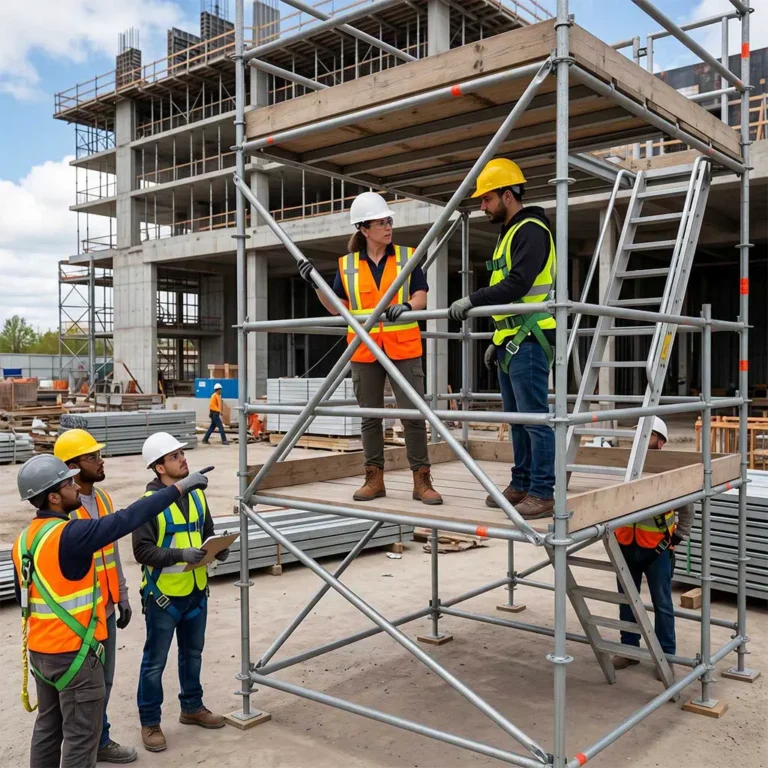
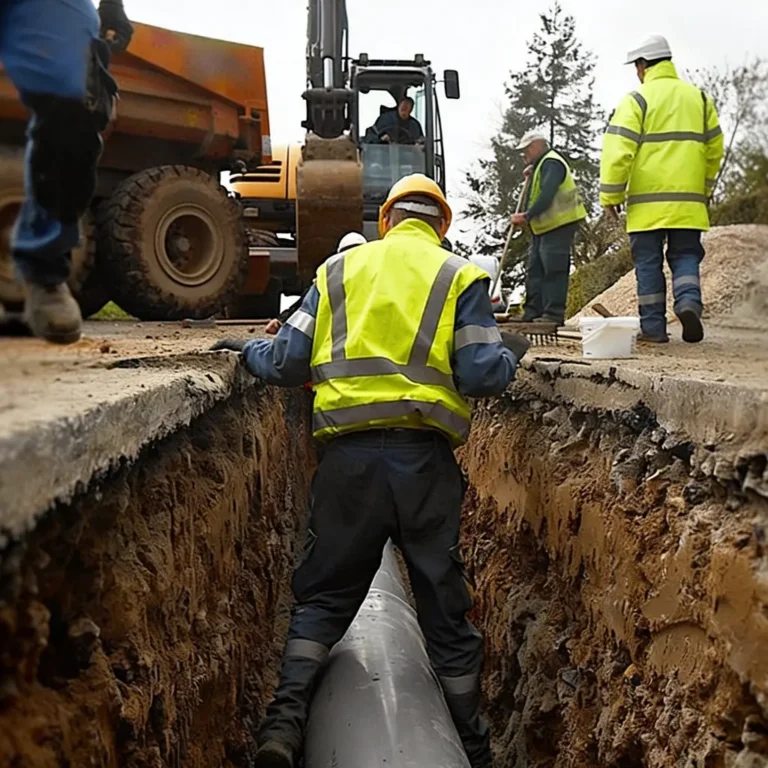
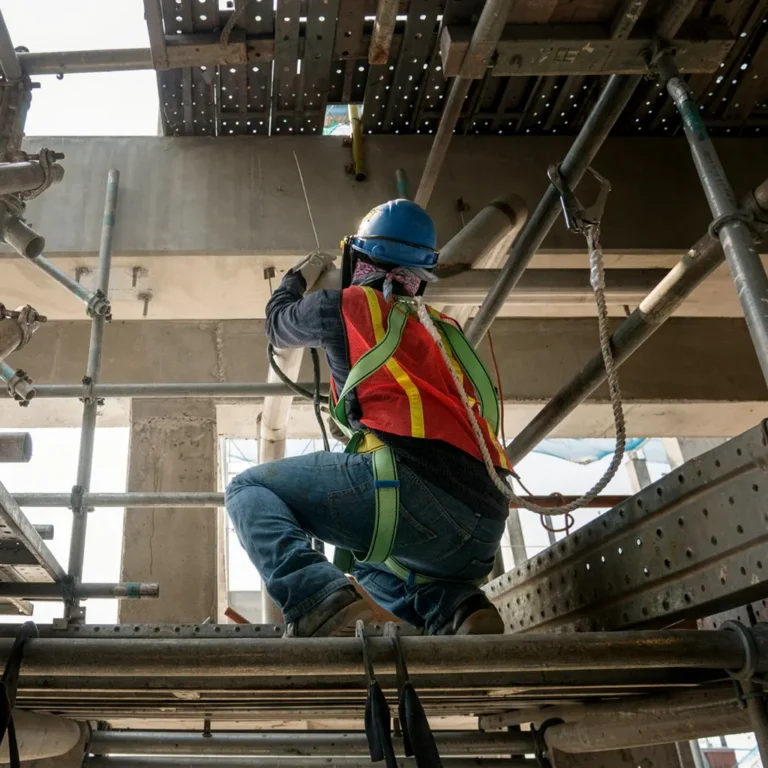
Supervisors, foremen and leads who'll inspect work and stop it when something's wrong. Several OSHA construction rules require a competent person on site. Examples are scaffolds (29 CFR 1926.451(f)(3)), excavations (1926.651(k)(1)), fall protection training (1926.503(a)(2)) and ladders (1926.1053(b)(15)).
Scaffolds get inspected before each work shift and after anything that could affect them (29 CFR 1926.451(f)(3)). Excavations get inspected daily before work starts, as needed during the shift, and after every rainstorm or other event that adds risk (1926.651(k)(1)). If the inspection finds a hazard, workers come out until it's fixed.
Most of our competent person courses cost $49 to $89 (October 2026). Scaffolding, Fall Protection, and Trenching and Excavation are $49 each, on sale from $89. Electrical Safety is $149, and Crane Safety is $129, on sale from $189. Buying for several supervisors? A business account gives you bulk pricing and one dashboard to track certificates.
Match the course to the work you'll oversee. Scaffold work needs Scaffolding, digging needs Trenching and Excavation, and work at height needs Fall Protection. Confined Space Supervisor covers permit spaces. We also have courses for electrical work, ladders, aerial and scissor lifts, asbestos, PPE (personal protective equipment), forklifts and cranes. If you oversee several kinds of work, take the course for each one.
Yes, for the knowledge part. Online training covers the standard, hazard recognition and inspection steps at your own pace. The hands-on practice with your site's equipment and the authority to act both come from your employer. Plan for both before you name someone as the competent person.
No, OSHA doesn't set an expiration date for most competent person roles. Some rules do require retraining when things change. Under the fall protection standard, workers need retraining when the workplace or equipment changes or when their knowledge falls short (29 CFR 1926.503(c)). We recommend a refresher whenever the standard, your equipment or your role changes.