

Featured Courses
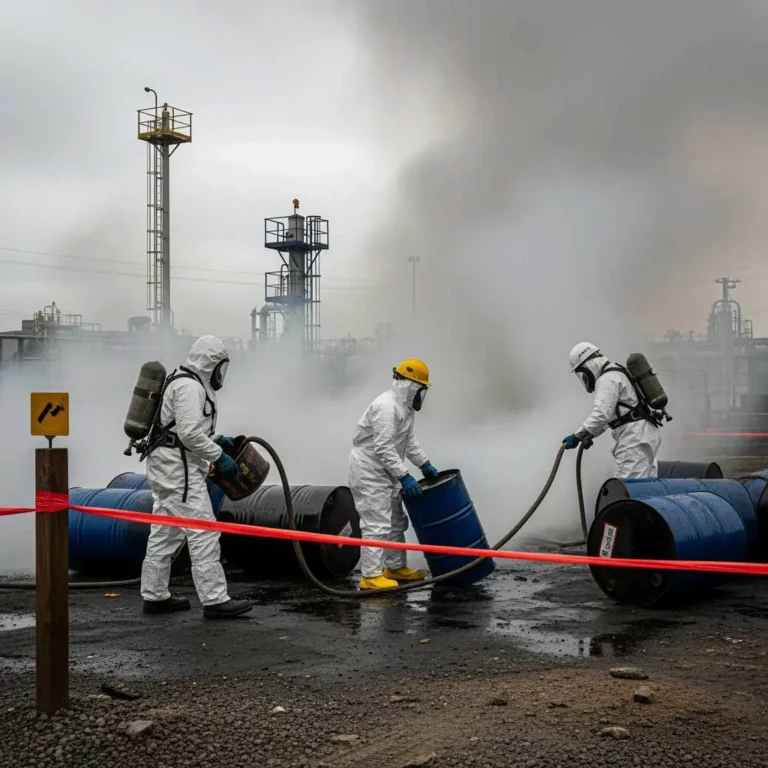
Previously trained hazardous waste workers complete required OSHA annual refresher certification training

2026 8 Hour HAZWOPER Refresher

Annual 8-hour HAZWOPER refresher meeting OSHA 29 CFR 1910.120(e)(8) requirements.
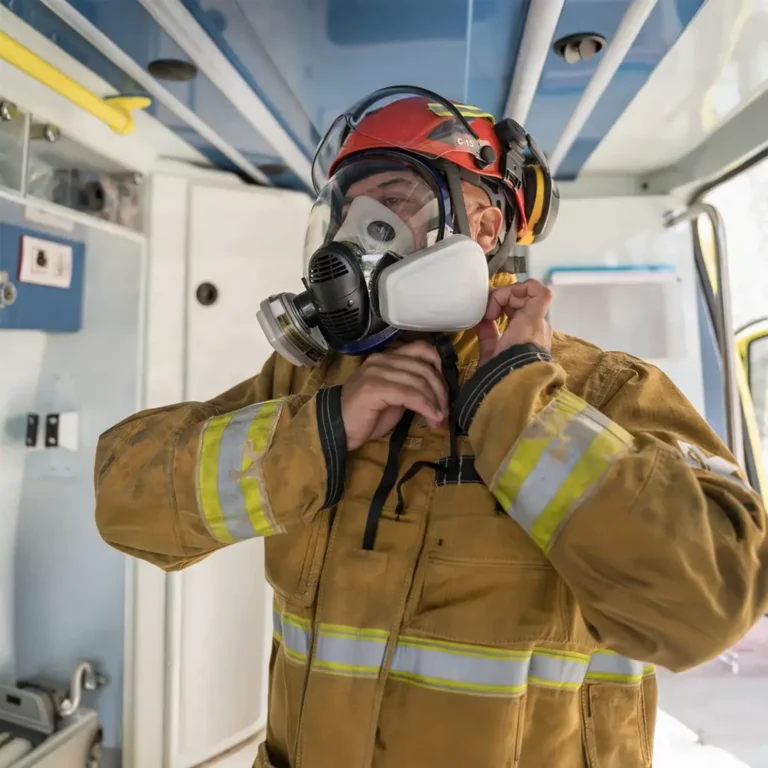
Comprehensive lithium battery safety safety training for workers and workplace for workplace compliance

Lithium Battery Safety

Covers what happens when lithium batteries fail and how to prevent fires and explosions.

View All OSHA Courses

image
29 CFR 1910.146 and 29 CFR 1926 Subpart AA
Accepted Nationwide
50,000+ Workers Certified
Instant Certificate

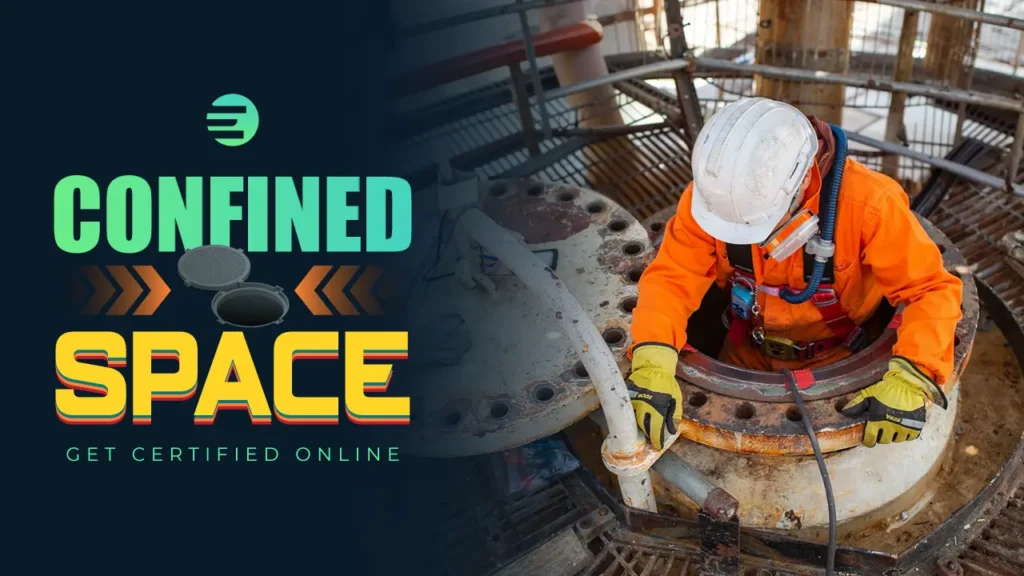
Confined Space Training

What Is eTraining's Confined Space Course?

100% Online
Self-Paced
Certificate Included
Mobile Friendly

eTraining’s Confined Space Training is an OSHA-compliant online course developed under OSHA’s Permit-Required Confined Spaces standard 29 CFR 1910.146.

Confined spaces kill approximately 90 workers every year in the United States and seriously injure hundreds more, often because workers and rescuers are not properly trained to identify and control confined space hazards. A confined space is any area large enough to enter, with limited or restricted means of entry or exit, and not designed for continuous occupancy, including tanks, silos, vaults, manholes, pits, pipelines, and process vessels.

This 2-hour online course covers confined space identification, atmospheric hazards (oxygen deficiency, toxic gases, flammable vapors), physical hazards (engulfment, entrapment), permit-required entry procedures, personnel responsibilities (entrant, attendant, supervisor, rescue), equipment requirements, and emergency response.

Upon completion with a passing score of 70%, participants receive a personalized certificate. The course is divided into 4 units covering identification, hazards, personnel responsibilities, and equipment/procedures.

Related training: Confined Space in Construction, the Confined Space Supervisor course, and HAZWOPER Confined Space Entry.

$20.00
Per person • No subscription required
Topics Covered
  • Confined space identification
  • Atmospheric hazards (oxygen deficiency, toxic gases and flammable vapors)
  • Physical hazards (engulfment and entrapment)
  • Permit-required entry procedures
  • Personnel responsibilities (entrant, attendant, supervisor rescue)
  • Equipment requirements
  • Emergency response
30-Day Satisfaction Guarantee • No Hidden Fees
50K+
Workers Certified
4.9β˜…
Average Rating
100%
OSHA Compliant
Course Information

Everything You Need to Know
About This Course

01

Course Details at a Glance

Key facts before you enroll.

02

Who Should Take This Course?

Find out if this training applies to you.

03

Industries That Require This Training

See which sectors depend on this training.

04

What's Included

Everything that comes with your enrollment.

Course Overview

Watch a 90-second overview of the Confined Space Training β€” no login required.

Course overview video not available.

Try It Free β€” 5-Minute Interactive Preview

Experience the first 5 minutes of the course right here. No account or payment required.

Interactive Course Preview

5-minute preview of Module 1 β€” Confined Space Training
No login or payment required

What You Get When You Enroll

Everything included with your Confined Space Training training.

  • βœ“Instant certificate of completionPrintable PDF, ready immediately after passing
  • βœ“Mobile-friendly platformTrain on desktop, tablet, or smartphone
  • βœ“Progress saved automaticallyStop and restart without losing your place
  • βœ“30-day satisfaction guaranteeFull refund if you're not satisfied

Course Details at a Glance

Everything you need to know before enrolling in the Confined Space Training.

Detail
Information
OSHA Standard
29 CFR 1910.146 and 29 CFR 1926 Subpart AA
Course Duration
2 hours
Format
100% online, fully narrated with photos and interactivity
Passing Score
70% on final exam
Certificate
Personalized certificate, printable immediately upon passing
Languages
English
Device Compatibility
Desktop, tablet, and smartphone
Accepted
Our courses meet federal standards, but state requirements may vary. Please verify before purchase.

Who Should Take the Confined Space Training?

Find out if this training applies to your role, your job site, or your employer's compliance requirements, and whether it matches the certification you need.

  • βœ“Maintenance workers entering tanks, vaults or pits
  • βœ“Construction workers performing work in confined spaces
  • βœ“Utility workers entering manholes, tunnels and underground vaults
  • βœ“HVAC technicians working in ductwork and mechanical rooms
  • βœ“Pipeline workers and welders in enclosed environments
  • βœ“Wastewater treatment plant workers
  • βœ“Fire fighters and emergency response personnel
  • βœ“Building engineers and facility maintenance staff
  • βœ“Laboratory technicians working in enclosed areas
  • βœ“Any worker who may enter or work around confined spaces

Industries That Require Confined Space Training

Employers across a wide range of industries use this course to meet federal, state, and site-specific safety training requirements for their workforce.

  • βœ“Water and wastewater treatment facilities
  • βœ“Oil and gas operations
  • βœ“Chemical and pharmaceutical manufacturing
  • βœ“Construction (underground utilities tunnels)
  • βœ“Telecommunications (manholes underground vaults)
  • βœ“Food and beverage manufacturing (tanks and silos)
  • βœ“Mining operations
  • βœ“Pulp and paper mills
  • βœ“Power generation plants
  • βœ“Shipbuilding and marine repair
  • βœ“Municipal utilities and public works
Why eTraining

Better Training.
Better Outcomes.

Over 50,000 workers trained. Here's what makes us the trusted choice for OSHA compliance.

OSHA Citation Printed on Every Certificate
Every certificate shows OSHA citation β€” so your employer and site safety officer can verify compliance at a glance.
No Setup. No LMS. Train in Minutes.
Pay once, get instant access β€” no account setup, no app downloads, no IT required. Works on any browser.
Built for Field Workers, Not Classrooms
Content is grounded in real hazardous waste site operations β€” not recycled classroom slides. Scenarios reflect the work your crew actually does.
Trusted by Safety Managers & Contractors
Used by EHS managers, general contractors, and federal site supervisors to keep crews certified on time, every year.
Certificate of Completion Preview
Instant PDF
Print-Ready
Shareable
Need Group Training?
Business accounts save 20%+ for teams of 20 or more
Learn More
Student Reviews

What Our Students Are Saying

Frequently Asked Questions

Everything you need to know about the Confined Space Training.

Confined space training teaches workers to recognize confined spaces, understand the hazards present (atmospheric, physical, engulfment), and follow safe entry procedures per OSHA standards. A confined space is any area large enough to enter, with limited or restricted means of entry or exit, and not designed for continuous occupancy. Examples include tanks, silos, vaults, manholes, pits, pipelines, and tunnels. Training covers confined space identification, hazard assessment, permit-required entry procedures, roles and responsibilities of entry personnel, and emergency response protocols.

OSHA requires confined space training for any worker who enters or works around permit-required confined spaces, as set out in 29 CFR 1910.146 for general industry and 29 CFR 1926 Subpart AA for construction. This covers maintenance workers, tank cleaners, utility workers, construction crews, HVAC technicians, welders, pipeline workers, wastewater plant operators, firefighters, and anyone entering spaces such as storage tanks, silos, vats, pits, manholes, and tunnels. Importantly, it's not only the person going inside who needs training: attendants, who stay outside to monitor entrants and summon rescue, must be trained too, and so must entry supervisors who authorize and oversee the work. Employers are responsible for ensuring every worker involved in an entry understands the hazards and their specific role before work begins. This course satisfies that knowledge-based training requirement.

eTraining’s Confined Space Training takes approximately 2 hours to complete online. The course covers both general industry (29 CFR 1910.146) and construction (29 CFR 1926 Subpart AA) requirements. It is self-paced, so you can pause and resume on the same device at any time.
The three main categories of confined space hazards are atmospheric, physical, and environmental. Atmospheric hazards are the leading cause of confined space deaths and include oxygen deficiency (below 19.5%) or enrichment (above 23.5%), toxic gases such as carbon monoxide and hydrogen sulfide, and flammable vapors. Physical hazards include engulfment by stored materials like grain or sand, entrapment by converging walls or sloping floors, moving machinery, and electrical hazards. Environmental hazards cover extreme heat, excessive noise, limited visibility, and flooding. Under OSHA's 29 CFR 1910.146,Β the atmosphere must be tested before entry β€” first for oxygen, then combustible gases, then toxic gases β€” because these hazards are often invisible and odorless. Recognizing all three categories is the foundation of safe confined-space entry, and it's a core focus of this training course.
A confined space meets three criteria: it is large enough for a worker to enter and perform work, it has limited or restricted means of entry or exit, and it is not designed for continuous occupancy. Examples include tanks, silos, vaults, manholes, and pits. A permit-required confined space meets all three of those criteria plus one or more added hazards: it contains or may contain a hazardous atmosphere, contains material that could engulf an entrant, has converging walls or a sloping floor that could trap someone, or contains any other recognized serious safety or health hazard. Under OSHA's 29 CFR 1910.146, permit-required spaces demand a written entry permit, atmospheric testing, an attendant stationed outside, and designated entry personnel. Appendix A of the standard provides a decision flow chart to help employers classify each space correctly.
A confined space entry permit is a written document required by OSHA before workers enter a permit-required confined space. It must include: the space to be entered, purpose of entry, date and authorized duration, authorized entrants and attendants, name of entry supervisor, hazards identified, measures to control hazards, atmospheric testing results, rescue and emergency procedures, and communication procedures. The permit must be posted at the entry point.
A confined space entry team consists of four key roles: (1) Entry Supervisor – authorizes entry, verifies precautions, and terminates entry if needed; (2) Authorized Entrant – the worker who enters the confined space; (3) Attendant – remains outside the space to monitor entrants, maintain communication, and summon rescue if needed; (4) Rescue Personnel – trained and equipped to perform rescue operations if an emergency occurs. Each role has specific pre-entry, entry, and post-entry responsibilities.
OSHA's Permit-Required Confined Spaces standard for general industry is 29 CFR 1910.146, published in 1993 and still the governing rule today. For construction work, the standard is 29 CFR 1926 Subpart AA, which OSHA added in 2015 to give construction crews confined-space protections comparable to general industry. Both standards require employers to evaluate the workplace and identify confined spaces, assess the hazards present, implement written permit-entry procedures, provide worker training, and establish rescue capabilities before anyone enters. The full regulatory text is published in the eCFR (29 CFR 1910.146). eTraining's course covers the knowledge-based requirements from both standards, so it applies whether your work falls under general industry or construction. State requirements can differ, so always confirm your local rules before relying on any single course.
Yes. Upon passing the final exam with a score of 70% or higher, you can immediately print a certificate of completion. This certificate serves as proof of training for your employer.
Yes. The course is accessible on desktop computers, laptops, tablets, and smartphones. Progress saves automatically on the same device, so you can stop and resume where you left off.
There is no federally mandated expiration date for this training certificate. However, health and safety plans should be reviewed and updated annually, and whenever workplace conditions, hazards, or regulations change. Refresher training is recommended to stay current with evolving OSHA standards and best practices for safety program management.
Yes. This course is 100% online and fully self-paced. There is no in-person component required. The course uses a combination of audio, full-motion video, text, and graphics.
Enroll Today

Stay Compliant.
Stay Safe.

Complete your Confined Space Training online β€” at your own pace, on any device, with an instant certificate when you're done.

Your go-to source for workplace safety updates.

Join our monthly newsletter covering industry stories, news & timely updates, and get a free 110-page OSHA manual covering the latest training requirements.

no-img

eTraining and the eTraining logo copyright 2026 eTraining, Inc. All Rights Reserved.