Critical Behavioral-Based Safety (BBS) Failures (And How to Fix Them)

Why do most Behavioral-Based Safety (BBS) programs fail? They quickly devolve into bureaucratic clipboard theater—a compliance checklist that yields data but zero hazard reduction leverage. This failure is systemic, not worker-driven. Successful Behavior Based Safety in Construction measures leading indicators: repeatable coaching and verifiable hazard control actions, not observation counts.  Our article on Safety Metrics, […]

Read more

How to Verify Subcontractor Training and Avoid OSHA Multi-Employer Citations

General contractors can be cited for subcontractor training violations under OSHA’s Multi-Employer Citation Policy (CPL 2-0.124), even when their own employees aren’t exposed. Controlling employers must verify subcontractor training credentials before site access through QR code scanning or ATO contact, document verification, and maintain systems that demonstrate reasonable care. Training verification isn’t optional. Under the […]

Read more

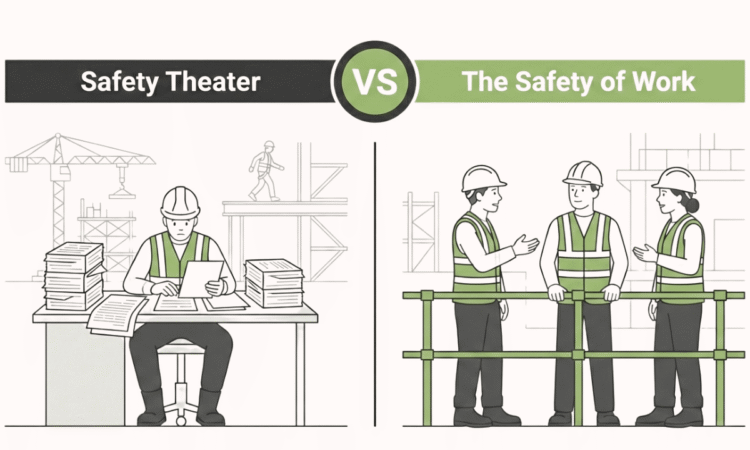
Safety Work vs. The Safety of Work: When Compliance Kills Culture, It’s Time to Declutter

Most safety programs are busy being busy. Safety compliance doesn’t equal worker protection. Organizations invest heavily in toolbox talks, JSAs, and audits, while construction still accounts for 19% of all US workplace fatalities, over 1,000 deaths annually. The disconnect reveals a fundamental problem: we’ve confused activities about safety with the actual work of keeping people […]

Read more

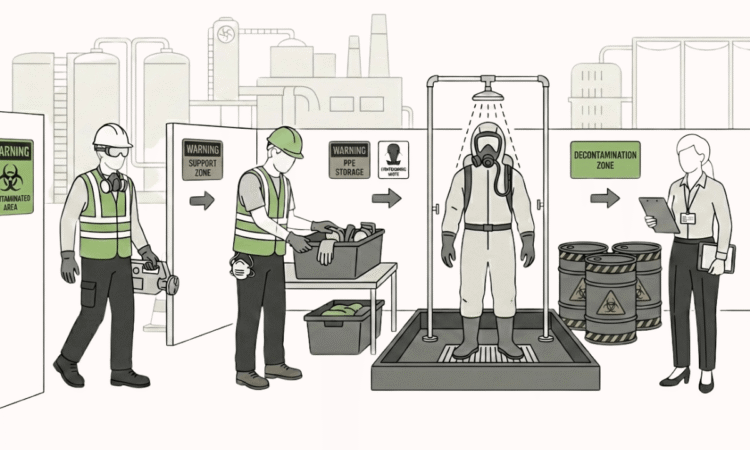
HAZWOPER Training Requirements by Worker Type: 29 CFR 1910.120

Covered under OSHA Standard 29 CFR 1910.120, Hazardous Waste Operations and Emergency Response (HAZWOPER) training is mandatory for workers who handle hazardous substances, clean up contaminated sites, work at treatment and disposal facilities, or respond to hazmat emergencies. The training requirements vary significantly based on your specific job duties and exposure risk. Who Needs HAZWOPER […]

Read more

Does Your Facility Need HAZWOPER Training?

If you generate hazardous waste and store it temporarily, you probably need RCRA hazardous waste training, not HAZWOPER. If you clean up contaminated sites, operate a treatment/storage/disposal facility, or have an emergency hazmat response team, then yes, HAZWOPER applies. This is the most misunderstood OSHA standard in the safety industry, and getting it wrong costs […]

Read more

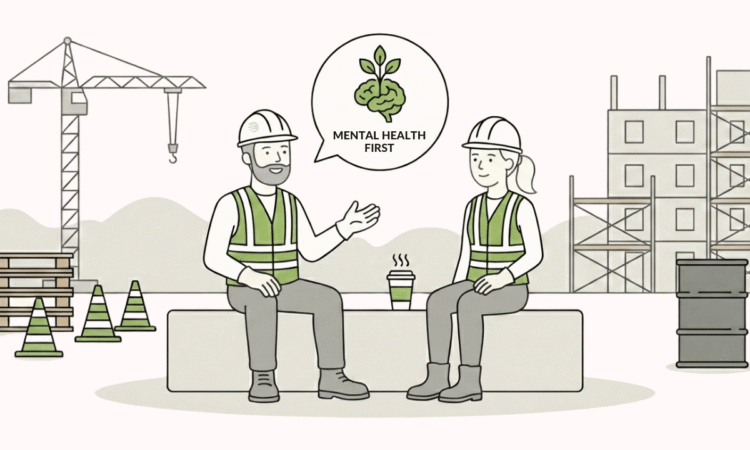
Why Mental Health Belongs in Your EHS Program (Not Just HR)

Mental health belongs in EHS programs because stress, fatigue, and psychological factors directly increase injury rates. When workers are mentally impaired, they make the same mistakes as workers who skip safety procedures. But HR-led wellness programs don’t track safety outcomes. EHS professionals need to measure and mitigate mental health as an upstream hazard, not just […]

Read more

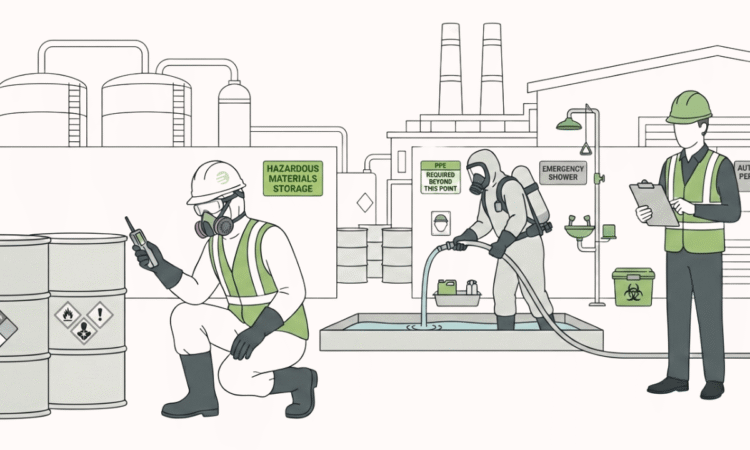
The 10 Rules of an Effective HazMat First Responder

When a hazardous materials spill happens, everything changes in seconds. What you do next can mean the difference between a small cleanup and a major disaster. According to the U.S. Department of Transportation, there were more than 22,500 hazardous materials incidents in 2023, causing $115 million in damages. That’s not just a number, it’s a […]

Read more

Subscribe and Follow

Find us on Facebook

Categories