


Featured Courses
Previously trained hazardous waste workers complete required OSHA annual refresher certification training

2026 8 Hour HAZWOPER Refresher

Annual 8-hour HAZWOPER refresher meeting OSHA 29 CFR 1910.120(e)(8) requirements.
Comprehensive lithium battery safety safety training for workers and workplace for workplace compliance

Lithium Battery Safety

Covers what happens when lithium batteries fail and how to prevent fires and explosions.

View All OSHA Courses

image

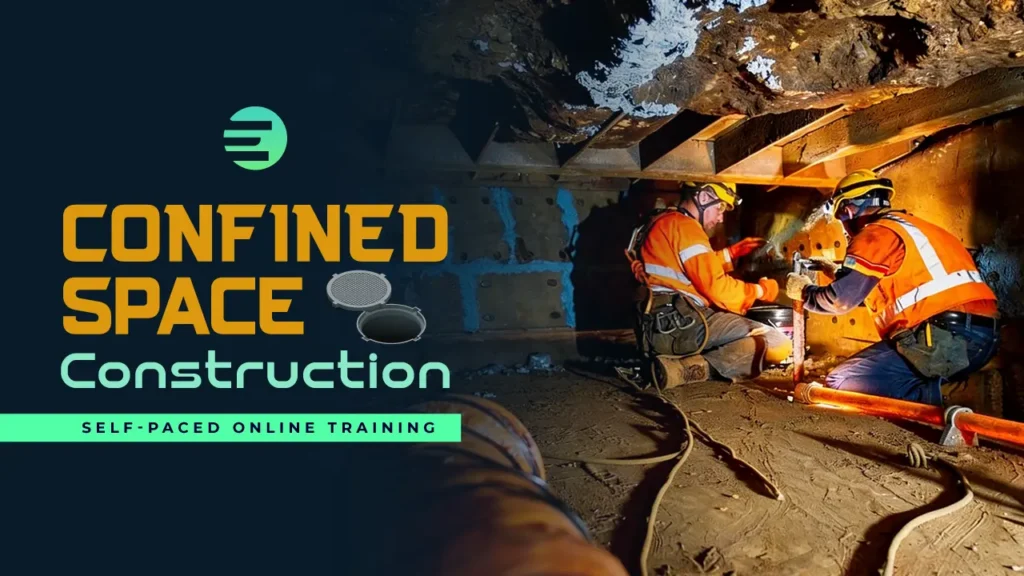
Confined Space Construction

4.8(118 reviews)
Confined Space Construction

Course Overview

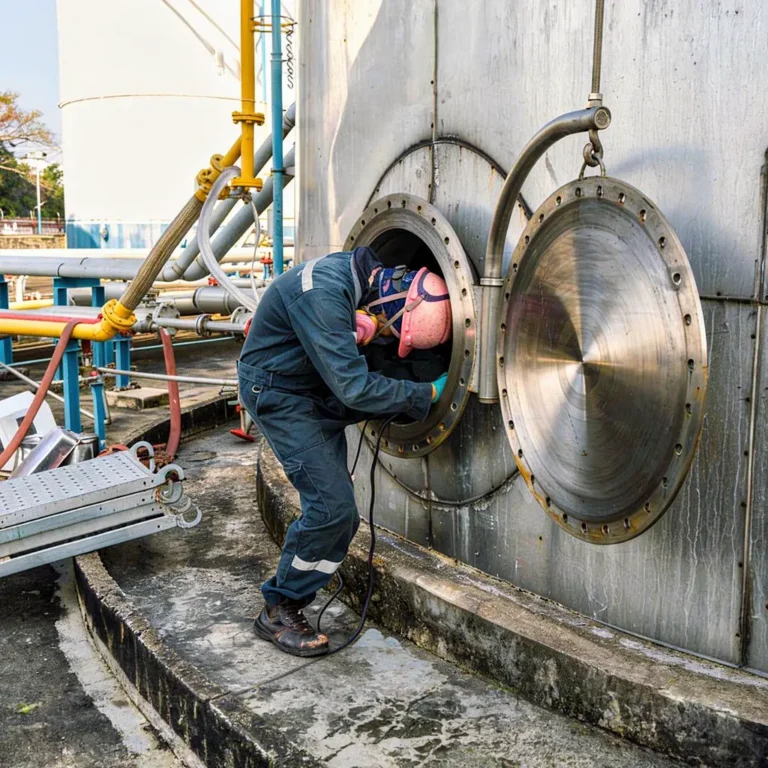
Confined space in construction training teaches crews entering tanks and manholes. This 2-hour online course covers confined space hazards, air testing, ventilation, permits and rescue under 29 CFR 1926 Subpart AA, the construction confined spaces standard. This course is also available in Spanish.

  • Training focuses on the physical, chemical, and biological hazards a construction space holds: bad air, engulfing material, and walls that trap an entrant.
  • Covers the differences between permit-required and non-permit-required confined spaces, atmospheric monitoring, and ventilation requirements.
  • Walks through the entry permits, rescue planning, and the roles and responsibilities of entrants, attendants, and entry supervisors.


  • 2 hours, self-paced
  • English & Español
  • Instant certificate
  • Mobile friendly
$20.00

Per seat. One-time payment, no subscription.

+

30-day satisfaction guarantee. No hidden fees.

Course Clips

Everything You Need to Know
About This Course

Eleven subjects, two hours, and quizzes running through them. The list below is what the course teaches:

  • Identifying a confined space on a construction site.
  • Permit-required and non-permit confined spaces.
  • Hazardous atmospheres.
  • Engulfment and entrapment hazards.
  • Chemical, biological and physical hazards.
  • Atmospheric testing and monitoring.
  • Ventilation.
  • Entry permits.
  • Duties of the entrant, the attendant and the entry supervisor.
  • Rescue planning and emergency procedures.
  • Reclassifying a permit-required space.

OSHA Standard29 CFR 1926 Subpart AA
Course Duration2 hours
Format100% online, fully narrated with photos and interactivity
Passing Score70% on final exam
CertificatePersonalized certificate, printable immediately upon passing
LanguagesEnglish and Spanish
Device CompatibilityDesktop, tablet, and smartphone
ProgressProgress saved automatically, stop and restart without losing your place
AcceptedOur courses meet federal standards, but state requirements may vary. Please verify before purchase.

Subpart AA covers construction work at a site that has one or more confined spaces, so the list is wider than the people who physically climb in. If someone on your crew enters a space, watches one from outside, or works around an opening, this is their course.

  • Construction workers who enter tanks, vaults, pits or manholes on a jobsite.
  • Welders and pipefitters cutting or joining inside a space.
  • Pipeline and underground utility crews working below grade.
  • HVAC technicians in ducts, plenums and mechanical rooms.
  • Attendants who stay outside the space and keep track of who is in it.
  • Maintenance technicians and building engineers on renovation work.
  • Site safety officers and foremen who assign entry work to a crew.
  • Emergency response personnel who may be called to a space on site.
  • Contractors and employers buying training for a crew before a job starts.
  • Anyone working near an open confined space, whether or not they enter it.

Confined spaces on construction sites are usually something the crew built, opened or has to get inside to finish. These are the operations where that comes up most.

  • Commercial and residential building construction.
  • Water and sewer line installation, where manholes and wet wells are the workspace.
  • Underground utility installation and maintenance.
  • Pipeline construction, tie-ins and pigging stations.
  • Bridge and tunnel work with box girders, caissons and access chambers.
  • Industrial plant construction and renovation around vessels and tanks.
  • Road and highway work involving culverts, drainage structures and vaults.
  • Telecommunications build-outs with handholes and equipment vaults.
  • Demolition and site remediation, where spaces are opened before they are known.
  • Government and municipal construction projects.
  • Mechanical and HVAC contracting inside plenums and air handling units.
  • Tank and vessel fabrication and repair on site.

Experience the first 5 minutes of the course right here. No account or payment required.

Confined Space in Construction or General Industry?

Which confined space course your crew needs comes down to the standard your site runs under. Construction work sits under 29 CFR 1926 Subpart AA, which is this page. Facilities that are operated and maintained sit under 29 CFR 1910.146, which is a separate course. The person who authorizes and cancels permits has one of their own on top.

  • Confined Space in Construction (this page). For crews building, altering, repairing or demolishing, where the space is part of the job in front of them. Built to 29 CFR 1926 Subpart AA, which carries duties general industry does not, including the competent person who identifies the spaces before work starts. Two hours, and there is a Spanish course alongside it. View the Confined Space in Construction (this page)
  • Confined Space (General Industry). For crews who operate and maintain a fixed facility: plants, warehouses, treatment works, utilities. Built to 29 CFR 1910.146, the general industry permit-required confined spaces standard. Same entry team, same hazards, a different rulebook and a different set of employer duties. View the Confined Space (General Industry)
  • Confined Space Supervisor. For the person who signs the permit, sets the acceptable entry conditions and calls the entry off. It sits on top of an entrant-level course rather than replacing it, so a supervisor who also enters spaces takes both. View the Confined Space Supervisor

Start with the work, not the job title. A crew building or repairing takes the construction course; a crew running a facility takes the general industry one. Add the supervisor course for whoever signs the permit. If your site is doing both, buy for each crew separately.


Who Identifies the Confined Spaces on a Construction Site?

Under 29 CFR 1926.1203(a), a competent person has to identify every confined space on the site before work begins, and flag which of them are permit spaces. That duty sits with a named person, ahead of everything else in the standard, and it changes what a trained crew is for.

  • Somebody has to find the spaces before the crew meets them. 1926.1203(a) puts that on a competent person, before work starts, for every space a crew they direct might work in. Testing is part of it where testing is what settles the question.
  • The information has to move between the employers on site. 1926.1203 runs the host employer, the controlling contractor and each entry employer as a chain. Space locations, hazards and any previous precautions get passed down, findings get passed back, and everyone debriefs after the entry. Where there is no controlling contractor, the host employer carries it.
  • A sign only works on someone who knows what it means. The standard has the employer post danger signs or use equally effective means. That is only protection if the worker walking past it can tell a permit space from an ordinary opening. Recognition is what this course builds, in two hours, for everyone you send on site.
  • The site supplies the program. The crew supplies the recognition. The written program, the meters, the ventilation, the attendant and the rescue arrangement come from the employer. What the course adds is a crew who can read a permit, notice a space nobody flagged, and say so before anyone climbs in.

Buy it for the people who will be standing next to the spaces your competent person is about to list.

Verified Course Reviews

Add a review
You must be logged in to post a review Log In
4.8
Based on 118 reviews
5
85
85%
4
13
13%
3
2
2%
2
0%
1
0%
1-2 of 118 reviews
  1. Excellent

    (0) (0)
  2. great test

    (0) (0)

Stay Compliant. Stay Safe.

Complete your Confined Space Construction at your own pace, on any device, with an instant certificate when you're done.

Most Popular
English
Unlocked progress. Complete modules in any order.
$20.00
+
Español
Desbloqueado. Completa los módulos en cualquier orden.
$20.00
+
30-Day Guarantee Instant Access Instant Certificate No Hidden Fees

Frequently Asked Questions

Everything you need to know about the Confined Space Construction.

Yes. Upon passing the final exam with a score of 70% or higher, you can immediately print a certificate of completion. This certificate serves as proof of training for your employer.

Yes. The course is accessible on desktop computers, laptops, tablets, and smartphones. Progress saves automatically on the same device, so you can stop and resume where you left off.

Confined space in construction training is a safety education program that teaches construction workers how to recognize, enter, and work safely in and around confined spaces. eTraining’s course provides approximately 2 hours of instruction covering OSHA 29 CFR 1926 Subpart AA standards, including confined space identification, permit-required vs. non-permit confined spaces, atmospheric hazards, ventilation, entry permits, roles and responsibilities of entrants, attendants, and entry supervisors, and rescue planning. Upon completion, participants receive a printable certificate of completion.

OSHA 29 CFR 1926 Subpart AA requires employers to train all construction workers who enter or work in and around confined spaces. Training must cover the hazards of confined spaces, proper entry procedures, and emergency response. This applies to workers who physically enter confined spaces as well as attendants who monitor entries from outside. Employers must ensure workers are trained before they enter any confined space on a construction site.

The course takes approximately 2 hours to complete. Because it is self-paced, you can complete it over multiple sessions at your convenience. Most students finish within 1 week. You have 6 months from your enrollment date to complete all coursework. Progress is saved automatically on the same device, so you can stop and resume at any time.

A non-permit confined space meets the basic definition of a confined space (large enough to enter, limited entry/exit, not designed for continuous occupancy) but does not contain hazardous conditions. A permit-required confined space has one or more additional hazards: a hazardous atmosphere, material that could engulf an entrant, inwardly converging walls or floors that could trap an entrant, or any other recognized serious safety or health hazard. Permit-required spaces require a written entry permit, atmospheric monitoring, an attendant, and a rescue plan before entry.

The course covers: definitions and identification of confined spaces on construction sites; permit-required vs. non-permit confined spaces; atmospheric hazards including oxygen deficiency, flammable gases, and toxic substances; physical hazards including engulfment, entrapment, and electrical; atmospheric monitoring and ventilation requirements; entry permit requirements and procedures; roles and responsibilities of entrants, attendants, and entry supervisors; rescue planning and emergency procedures; and reclassification of permit-required spaces. The course includes quizzes throughout to reinforce learning.

Yes. eTraining’s Confined Space in Construction course covers OSHA 29 CFR 1926 Subpart AA standards and is accepted nationwide. You receive a printable certificate of completion that documents your training. Employers across all 50 U.S. states accept this training for confined space compliance on construction sites.

The Confined Space in Construction course is built to OSHA 29 CFR 1926 Subpart AA, which applies specifically to construction job sites. The Confined Space (General Industry) course is built to OSHA 29 CFR 1910.146, which applies to general industry workplaces such as manufacturing plants, warehouses, and fixed facilities. The construction standard includes additional requirements specific to construction environments, including coordination between multiple employers on a construction site. Take the course that matches your work environment.

Yes. eTraining offers a complete Confined Space in Construction course in Spanish (Confined Space Construction – Spanish). The Spanish version covers the same content, meets the same OSHA 29 CFR 1926 Subpart AA requirements, and results in the same certificate of completion.

There is no federally mandated expiration date for this training certificate. However, health and safety plans should be reviewed and updated annually, and whenever workplace conditions, hazards, or regulations change. Refresher training is recommended to stay current with evolving OSHA standards and best practices for safety program management.

You must score at least 70% on the final exam to pass and receive your certificate of completion. The course includes knowledge-check quizzes that do not count toward your final grade but help prepare you for the exam. If you do not pass on your first attempt, you can retake the exam.

Better Training. Better Outcomes.

Fifteen years, 200,000+ professionals certified, and a completion rate roughly double the industry average.

OSHA citation printed on every certificate

Your employer and site safety officer can verify compliance at a glance, with no phone calls and no lookups.

No setup. No LMS. Training in minutes.

Pay once, get instant access. No account setup, no downloads, no IT involvement. Works in any browser.

Built for field workers, not classrooms

Grounded in real jobsite operations. Scenarios reflect the work your crew actually does.

Trusted by safety managers & contractors

Used by EHS managers, general contractors and federal site supervisors to keep crews certified on time.

200,000+
Professionals certified
87%
Completion rate (industry avg <45%)
10M+
Hours of training delivered
15
Years in business

Your go-to source for workplace safety updates.

Join our monthly newsletter covering industry stories, news & timely updates, and get a free 110-page OSHA manual covering the latest training requirements.

eTraining and the eTraining logo copyright 2026 eTraining, Inc. All Rights Reserved.