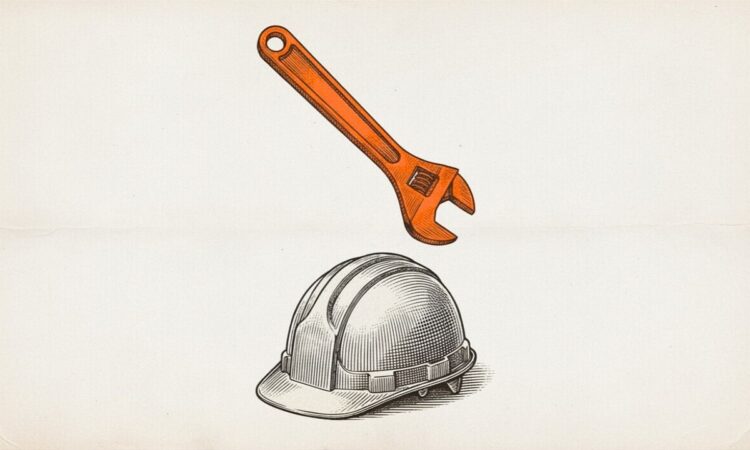
If your current Near Miss Reporting program feels like a mandatory quota system, you have already guaranteed failure. The goal is not just volume; it is turning those daily “good stories” into structured, actionable data that drives measurable change. This blueprint offers nine systematic moves to fix data quality, increase follow-through, and embed Root Cause […]
Author: Renita Pinto
OSHA Whistleblower Protection Starts with Manager Behavior
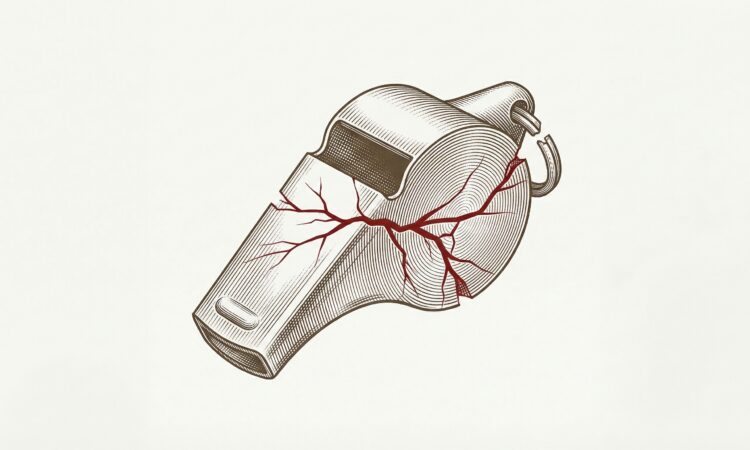
Safety retaliation is a systematic culture failure that makes your reporting data a lie. When workers fear backlash, they hide injuries and hazards. The March 6, 2026 Union Pacific finding confirms that OSHA whistleblower protection is a top enforcement priority. These eight concrete systems move beyond legal theory into manager behavior and rigorous documentation. Use […]
6 Ways to Reconcile SDS Inconsistencies and Strengthen Chemical Storage Safety
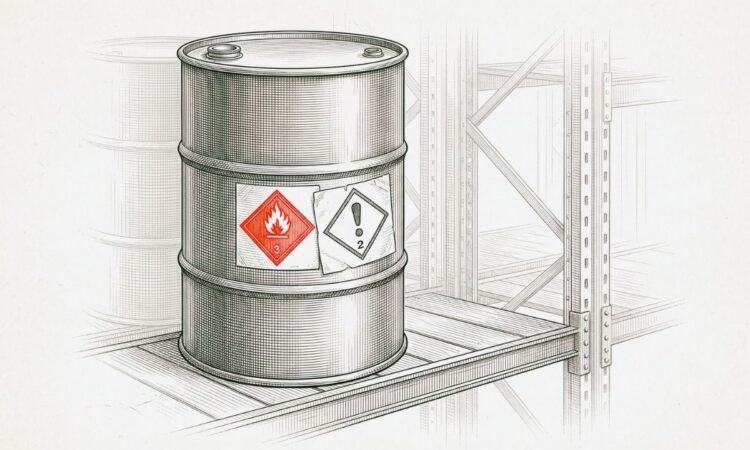
Safety Data Sheets are rarely a single source of truth. When two sheets for the same chemical show conflicting hazard classes, your storage compatibility charts become useless. Managing SDS Inconsistencies & Chemical Storage requires operationalizing a reconciliation rule to avoid dangerous segregation errors. These 6 field-tested checks align with OSHA HazCom expectations under 29 CFR […]
The Lithium Battery Crisis Hiding on Every Construction Site
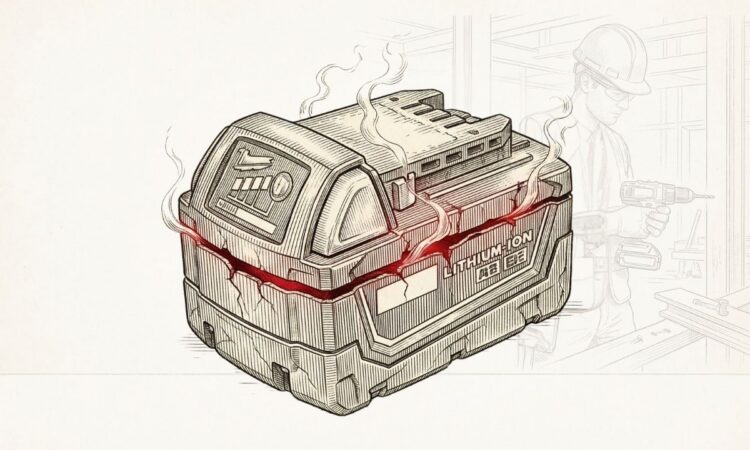
Construction sites check every box for lithium battery failure. Heat exceeding 100°F. Constant vibration. Impact damage. Dust in charging ports. A typical 20-person crew handles 40 to 60 batteries every shift, and most workers have never been trained to recognize when one is about to go into thermal runaway. The U.S. Consumer Product Safety Commission […]
Critical Behavioral-Based Safety (BBS) Failures (And How to Fix Them)
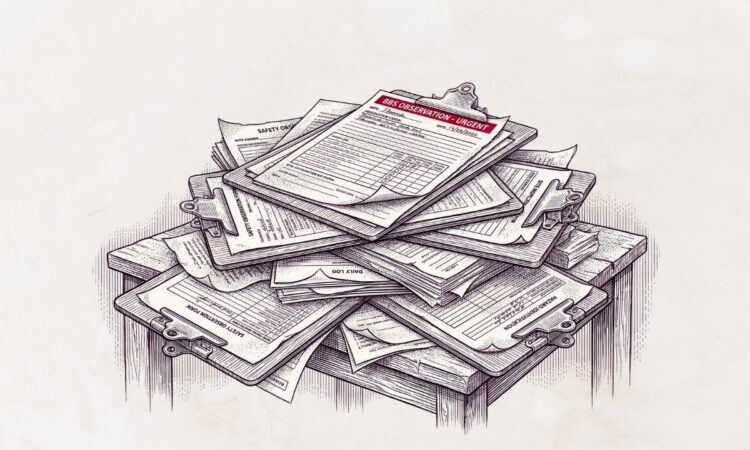
Why do most Behavioral-Based Safety (BBS) programs fail? They quickly devolve into bureaucratic clipboard theater—a compliance checklist that yields data but zero hazard reduction leverage. This failure is systemic, not worker-driven. Successful Behavior Based Safety in Construction measures leading indicators: repeatable coaching and verifiable hazard control actions, not observation counts. Our article on Safety Metrics, […]
How to Verify Subcontractor Training and Avoid OSHA Multi-Employer Citations
General contractors can be cited for subcontractor training violations under OSHA’s Multi-Employer Citation Policy (CPL 2-0.124), even when their own employees aren’t exposed. Controlling employers must verify subcontractor training credentials before site access through QR code scanning or ATO contact, document verification, and maintain systems that demonstrate reasonable care. Training verification isn’t optional. Under the […]
Safety Work vs. The Safety of Work: When Compliance Kills Culture, It’s Time to Declutter
Most safety programs are busy being busy. Safety compliance doesn’t equal worker protection. Organizations invest heavily in toolbox talks, JSAs, and audits, while construction still accounts for 19% of all US workplace fatalities, over 1,000 deaths annually. The disconnect reveals a fundamental problem: we’ve confused activities about safety with the actual work of keeping people […]
Safety Metrics: Leading AND Lagging Indicators (And Why You Need Both)
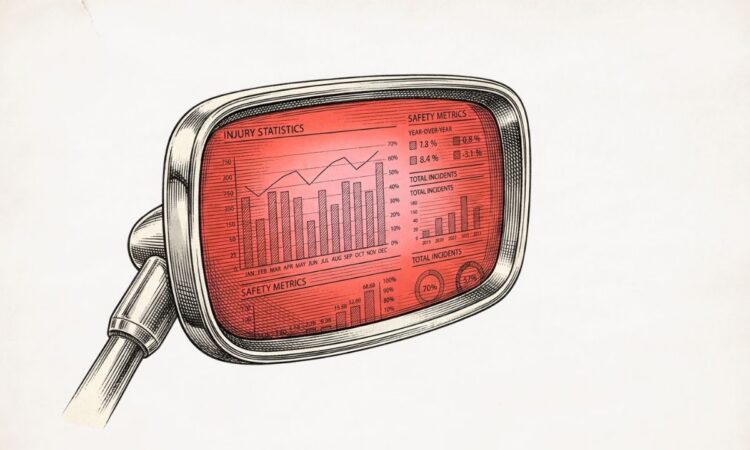
If you’re only tracking what already happened (injuries, lost time, costs), you’re driving by looking in the rearview mirror. If you’re only tracking safety activities (training completed, audits done), you have no idea if those activities actually prevent injuries. According to a 2024 VelocityEHS study, 89% of companies track leading indicators, but 79% still […]
HAZWOPER Training Requirements by Worker Type: 29 CFR 1910.120
Covered under OSHA Standard 29 CFR 1910.120, Hazardous Waste Operations and Emergency Response (HAZWOPER) training is mandatory for workers who handle hazardous substances, clean up contaminated sites, work at treatment and disposal facilities, or respond to hazmat emergencies. The training requirements vary significantly based on your specific job duties and exposure risk. Who Needs HAZWOPER […]
Does Your Facility Need HAZWOPER Training?
If you generate hazardous waste and store it temporarily, you probably need RCRA hazardous waste training, not HAZWOPER. If you clean up contaminated sites, operate a treatment/storage/disposal facility, or have an emergency hazmat response team, then yes, HAZWOPER applies. This is the most misunderstood OSHA standard in the safety industry, and getting it wrong costs […]