General contractors can be cited for subcontractor training violations under OSHA’s Multi-Employer Citation Policy (CPL 2-0.124), even when their own employees aren’t exposed. Controlling employers must verify subcontractor training credentials before site access through QR code scanning or ATO contact, document verification, and maintain systems that demonstrate reasonable care. Training verification isn’t optional. Under the […]
Author: Renita Pinto
Safety Work vs. The Safety of Work: When Compliance Kills Culture, It’s Time to Declutter
Most safety programs are busy being busy. Safety compliance doesn’t equal worker protection. Organizations invest heavily in toolbox talks, JSAs, and audits, while construction still accounts for 19% of all US workplace fatalities, over 1,000 deaths annually. The disconnect reveals a fundamental problem: we’ve confused activities about safety with the actual work of keeping people […]
Safety Metrics: Leading AND Lagging Indicators (And Why You Need Both)
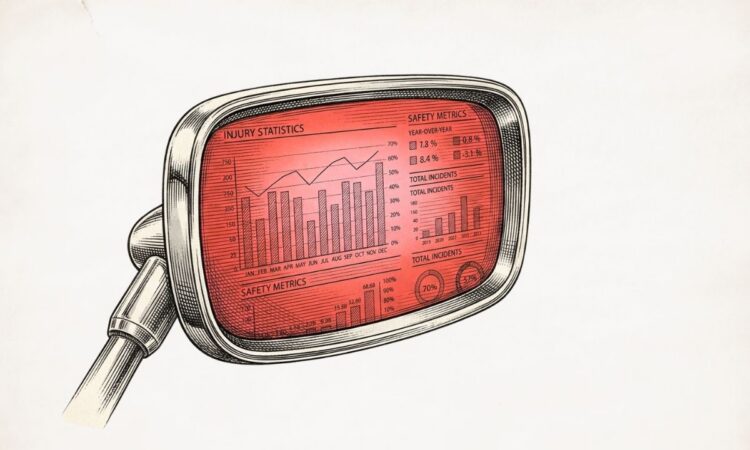
If you’re only tracking what already happened (injuries, lost time, costs), you’re driving by looking in the rearview mirror. If you’re only tracking safety activities (training completed, audits done), you have no idea if those activities actually prevent injuries. According to a 2024 VelocityEHS study, 89% of companies track leading indicators, but 79% still […]
HAZWOPER Training Requirements by Worker Type: 29 CFR 1910.120
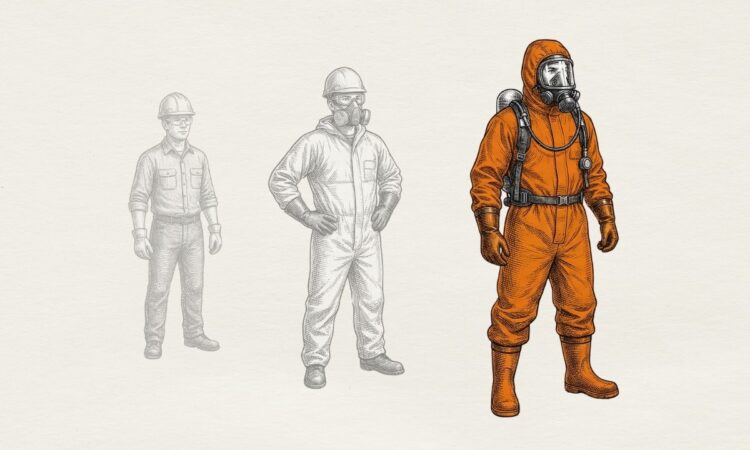
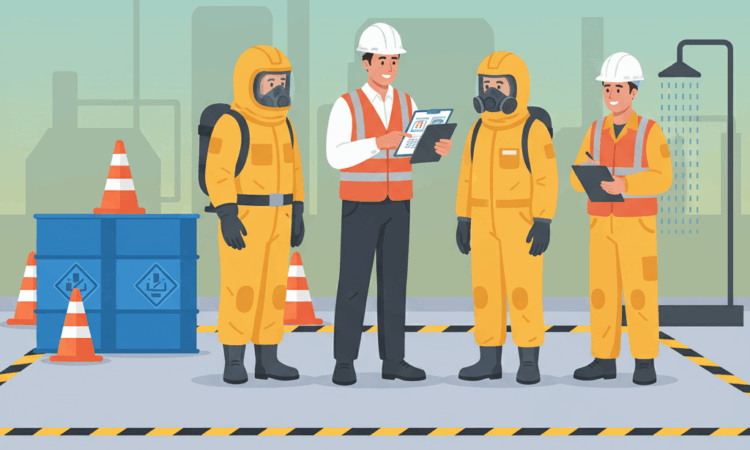
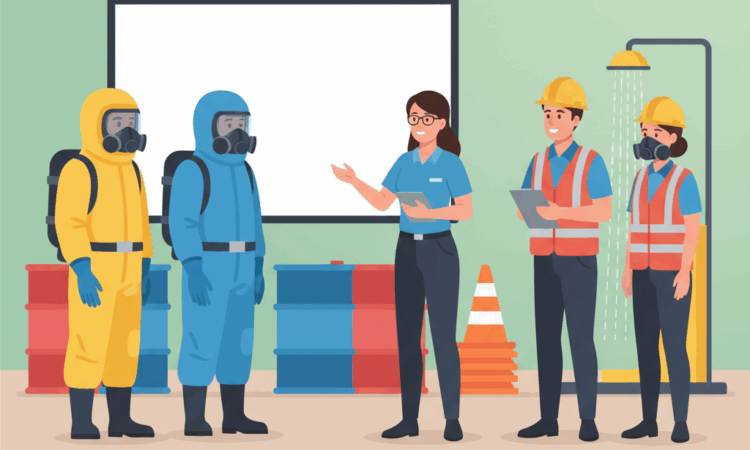
Covered under OSHA Standard 29 CFR 1910.120, Hazardous Waste Operations and Emergency Response (HAZWOPER) training is mandatory for workers who handle hazardous substances, clean up contaminated sites, work at treatment and disposal facilities, or respond to hazmat emergencies. The training requirements vary significantly based on your specific job duties and exposure risk. Who Needs HAZWOPER […]
Does Your Facility Need HAZWOPER Training?
If you generate hazardous waste and store it temporarily, you probably need RCRA hazardous waste training, not HAZWOPER. If you clean up contaminated sites, operate a treatment/storage/disposal facility, or have an emergency hazmat response team, then yes, HAZWOPER applies. This is the most misunderstood OSHA standard in the safety industry, and getting it wrong costs […]
Why Mental Health Belongs in Your EHS Program (Not Just HR)
Mental health belongs in EHS programs because stress, fatigue, and psychological factors directly increase injury rates. When workers are mentally impaired, they make the same mistakes as workers who skip safety procedures. But HR-led wellness programs don’t track safety outcomes. EHS professionals need to measure and mitigate mental health as an upstream hazard, not just […]
Slips, Trips, & Falls in the Workplace: 5 Common Causes
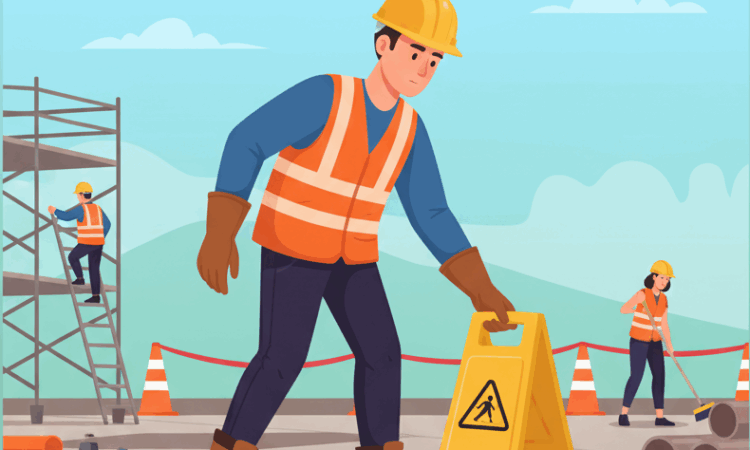
It happens to the most cautious and wary of us, and yet, its consequences could be as light as a small bruise or as devastating as a death. Slips, trips, and falls are more than just a gag in old-fashioned slapstick comedies—they are a common reoccurrence in the American workplace. According to the CDC, over […]
Scaffold Inspection: How to Do It & Why It’s Important
Why Should Scaffolding Be Inspected? OSHA (Occupational Safety and Health Administration) Standards Committee established and enforced a well-defined standard for the use of scaffolds since 1971, but scaffold related accidents continue to occur in the workplace, resulting in serious injury or death for numerous construction workers. The Bureau of Labor Statistics reports that 72% of […]
What is HAZWOPER Training and Who Needs It?
As part of the Occupational Safety and Health Act (signed into law in 1970), OSHA (Occupational Health and Safety Organization) imposes certain requirements and obligations on businesses in order to protect the safety, health and well-being of their employees. One such requirement is HAZWOPER Training. OSHA requires HAZWOPER safety certificates for those businesses and employees […]
What is HAZWOPER Compliance
The advent of Hazwoper began in 1986 when OSHA was tasked by the US Government to develop a standard for protecting the health, well-being and safety of workers who worked at sites where hazardous waste was present. This interim standard was the beginnings of Hazwoper, with the finalized and complete standards of HAZWOPER having gone […]