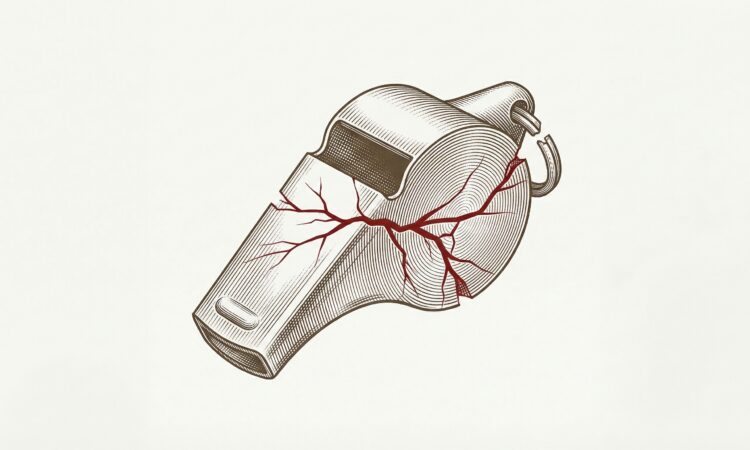
If nobody reports near-misses, your site isn’t perfect. It means speaking up feels unsafe. Silence is a leading indicator of operational risk. Delayed reporting is one of the most expensive and preventable risks on any jobsite. Measuring Psychological Safety requires a systematic playbook rather than a consultant. Here are 8 field-ready methods to assess crews […]
Month: March 2026
Near-Miss Reporting: 9 Moves to Turn Reports Into Real Risk Reduction
If your current Near Miss Reporting program feels like a mandatory quota system, you have already guaranteed failure. The goal is not just volume; it is turning those daily “good stories” into structured, actionable data that drives measurable change. This blueprint offers nine systematic moves to fix data quality, increase follow-through, and embed Root Cause […]
OSHA Whistleblower Protection Starts with Manager Behavior
Safety retaliation is a systematic culture failure that makes your reporting data a lie. When workers fear backlash, they hide injuries and hazards. The March 6, 2026 Union Pacific finding confirms that OSHA whistleblower protection is a top enforcement priority. These eight concrete systems move beyond legal theory into manager behavior and rigorous documentation. Use […]
6 Ways to Reconcile SDS Inconsistencies and Strengthen Chemical Storage Safety
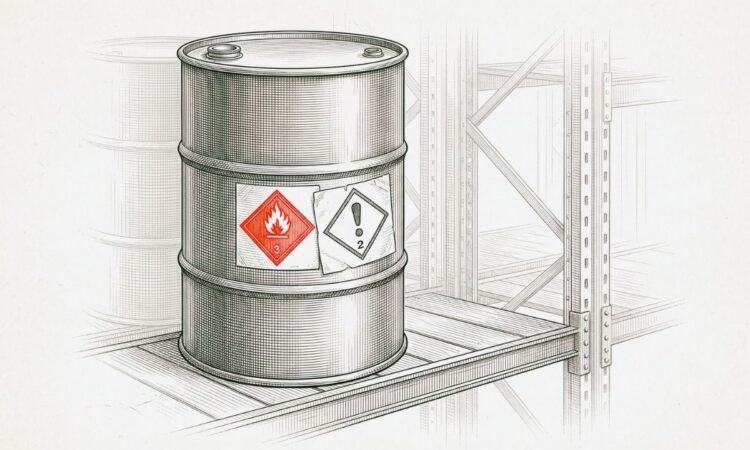
Safety Data Sheets are rarely a single source of truth. When two sheets for the same chemical show conflicting hazard classes, your storage compatibility charts become useless. Managing SDS Inconsistencies & Chemical Storage requires operationalizing a reconciliation rule to avoid dangerous segregation errors. These 6 field-tested checks align with OSHA HazCom expectations under 29 CFR […]