

Keeping Workers Safe with Technology
Construction has always been a high-risk industry. Whether it’s working from great heights, navigating unstable ground, or operating heavy machinery, safety is a top priority. But thanks to technology, keeping workers safe is becoming easier and more efficient. One tool making a big difference? Drones.

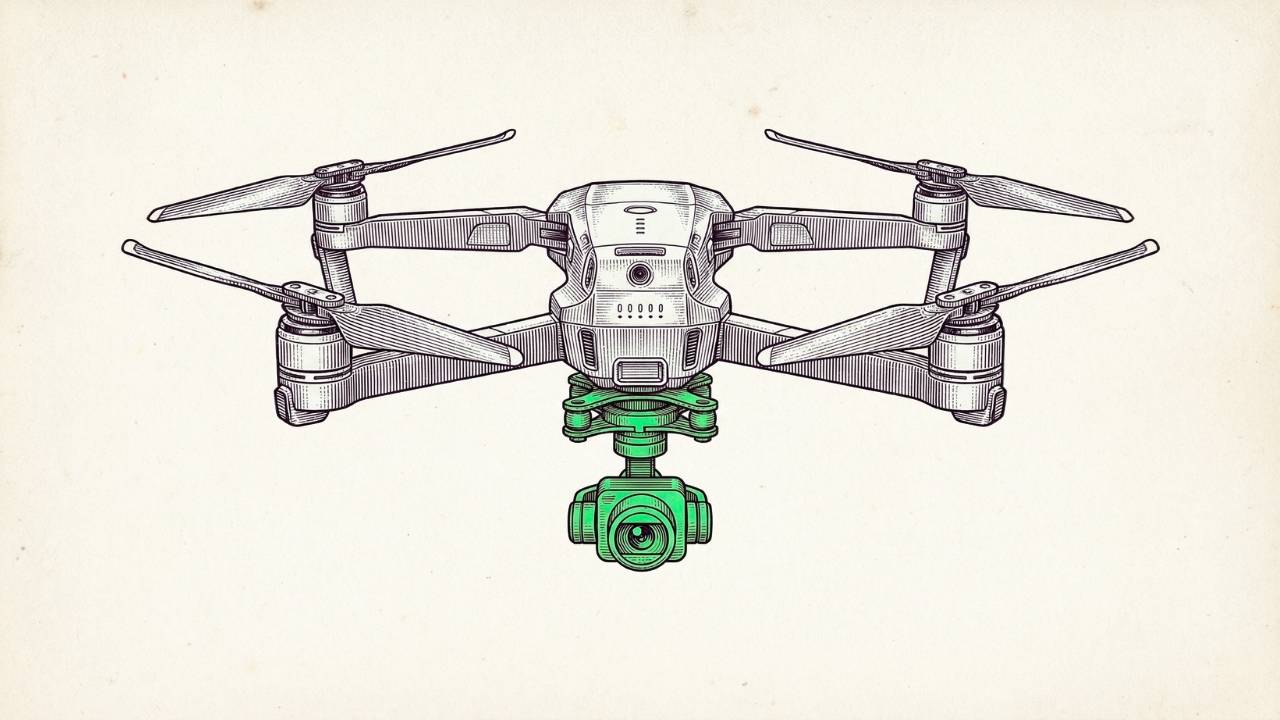
Drones—also known as unmanned aerial vehicles (UAVs)—are changing the way construction sites are inspected. Instead of sending workers into potentially dangerous areas to check for hazards, drones can fly in, capture footage, and provide real-time updates. This not only reduces the risk of injury but also improves efficiency and accuracy in site management.
How Drones Improve Safety on Job Sites
Drones are more than just high-tech cameras in the sky. They come equipped with powerful tools like high-resolution cameras, infrared sensors, and advanced imaging software. Here’s how they’re making job sites safer:
1. Preventing Falls from Heights
Falls are the number one cause of construction-related deaths, making up about 35% of all fatalities, according to OSHA. Traditionally, inspections require workers to climb scaffolding, rooftops, or other high-risk areas. With drones, these inspections can be done remotely, eliminating the need for workers to put themselves in harm’s way.
2. Real-Time Monitoring for Faster Hazard Detection
Instead of waiting for scheduled safety checks, drones can perform daily or even hourly inspections. They provide instant updates, allowing supervisors to spot potential hazards before they become major problems. If there’s an issue—like unstable scaffolding or a missing safety barrier—action can be taken immediately.
3. Better Structural Assessments
Detecting issues like cracks, water damage, or weak spots in buildings is crucial for preventing accidents. Drones equipped with thermal imaging can identify these problems before they get worse, allowing teams to fix them early and avoid costly—and potentially dangerous—failures.
4. Safer Land Surveying and Site Mapping
Land surveying often requires workers to navigate rough terrain, increasing the risk of slips, trips, and falls. Drones can do the job more safely and efficiently, using LiDAR and photogrammetry to create precise site maps. This not only improves planning but also keeps workers out of harm’s way.

Drones in Action: Real-World Success Stories
Skanska’s Safety-First Approach
Construction giant Skanska has embraced drone technology to make inspections safer. By using drones to assess high-risk areas, they’ve cut the need for workers to enter dangerous zones. As a result, they’ve improved safety and cut inspection times in half.
Post-Hurricane Damage Assessment in Florida
After Hurricane Ian hit Florida in 2022, many buildings were too unstable to inspect manually. Drones were deployed to survey the damage, allowing engineers to assess structures without putting themselves in danger. This sped up recovery efforts while keeping workers safe.
The Future of Drones in Construction Safety
As technology continues to advance, drones are becoming even smarter. In the future, we could see AI-powered drones that automatically detect safety violations, predict hazards before they occur, and monitor job sites for extended periods thanks to improved battery life.
Regulators, including the FAA, are also adapting rules to ensure drones are used safely and effectively on construction sites. With these developments, drones are on their way to becoming an essential tool for every construction company.
Conclusion
Drones aren’t just a cool gadget—they’re a real solution to one of construction’s biggest challenges: safety. By reducing the need for workers to enter hazardous areas, providing real-time monitoring, and improving structural assessments, drones are helping make construction sites safer and more efficient. Check out eTraining’s updated 40 Hour EM 385-1-1 course to see how the US Army Corps of Engineers has started to implement safety requirements for the use of drones at their worksites.
FAQs
1. Are drones replacing human safety inspectors?
No. Drones are a tool to assist inspectors, making data collection faster and safer. Human expertise is still crucial for analysis and decision-making.
2. Do construction companies need special licenses to use drones?
Yes. In the U.S., drone operators must follow FAA regulations and obtain a Part 107 certification for commercial drone use.
3. How much do drones cost for construction inspections?
Prices vary, but professional-grade drones range from $1,500 to $10,000, with additional costs for software and training.
As drones continue to evolve, they’re set to become a standard tool in construction safety—helping protect workers and keep job sites running smoothly.
Share This