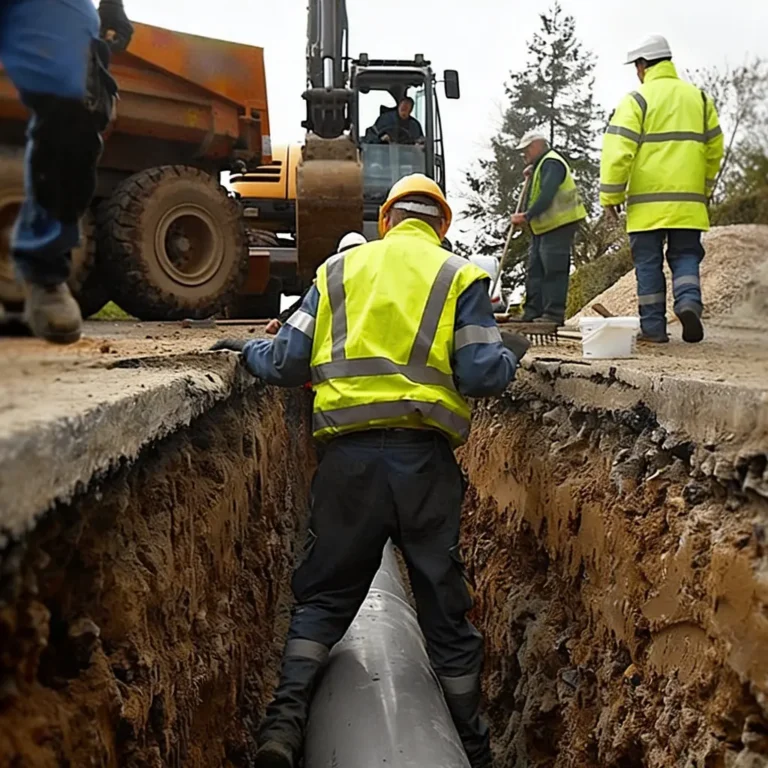


An excavation safety risk assessment is a systematic process used to identify potential hazards and assess risks associated with trenching and excavation activities, with the aim of implementing measures to control or mitigate those risks. This assessment, along with taking a safety training course, is crucial for construction workers for preventing accidents, injuries, and fatalities on construction sites. The main steps involved in conducting an excavation safety risk assessment include:
1. Hazard Identification: Identify potential hazards that could arise during excavation activities. This includes cave-ins, contact with underground utilities (e.g., electrical, gas, water lines), falls, falling loads, hazardous atmospheres (e.g., toxic gases, oxygen deficiency), water accumulation, and the collapse of adjacent structures.
2. Risk Evaluation: Evaluate the likelihood and severity of risks associated with each identified hazard. This step involves considering factors such as the depth of the excavation, soil type, weather conditions, proximity to traffic, and presence of water.
3. Implement Control Measures: Based on the risk evaluation, determine appropriate control measures to mitigate identified risks. This can involve engineering controls (e.g., shoring, shielding, sloping), administrative controls (e.g., training, planning, safe work practices), and the use of personal protective equipment (PPE).
4. Protective Systems Design: For excavations deeper than 5 feet (1.5 meters), determine the appropriate protective system (e.g., sloping, shoring, trench boxes) as required by safety standards and regulations.
5. Emergency Response Planning: Develop and implement an emergency response plan that includes procedures for rescuing workers in the event of a cave-in or other emergency situations.
6. Communication Plan: Establish effective communication among all members of the work crew, including signaling methods and the use of lookouts when necessary.
7. Monitoring and Review: Continuously monitor the excavation site for changes in conditions that could introduce new hazards or alter the risk level of existing hazards. Review and update the risk assessment as necessary, especially after an incident or when there are significant changes in work practices, equipment, or site conditions.
8. Documentation: Keep detailed records of the risk assessment, including hazard identifications, risk evaluations, control measures, and monitoring activities. This documentation is essential for ensuring accountability and compliance with regulations.
An excavation safety risk assessment is not a one-time task but an ongoing process that should be integrated into the planning and execution phases of any excavation project. Regularly reviewing and updating the assessment ensures that the safety measures remain effective throughout the project’s duration.