


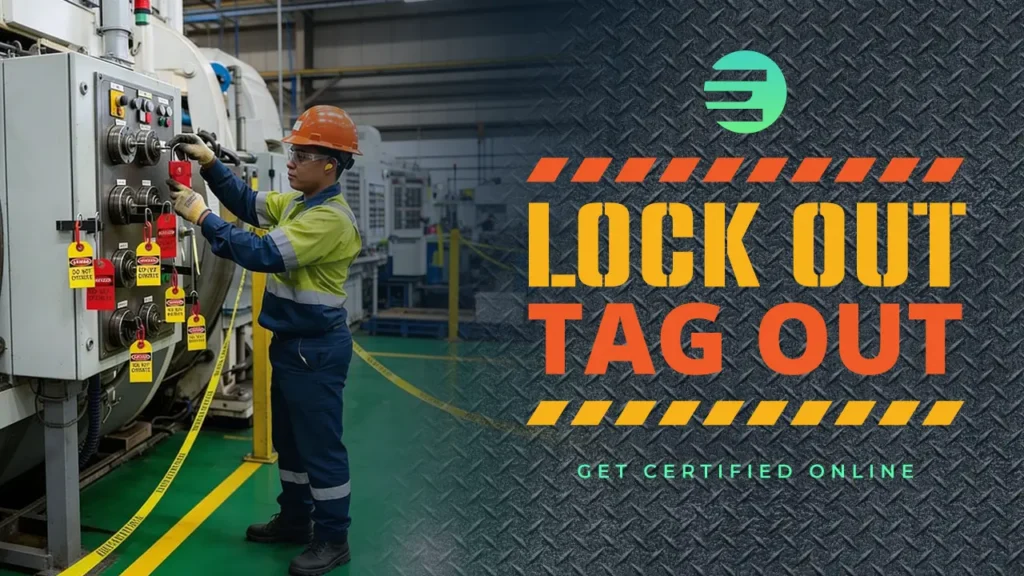
Lockout Tagout, Electrical Safety or NFPA 70E?
Three courses, three different hazards, and one crew that often meets all of them. Here is which is which, in the order a maintenance department usually needs them.
- Lockout Tagout (this page). Lockout tagout first, because it is the one 1910.147 requires by name for anyone servicing equipment. It covers every energy type rather than only the electrical one. View the Lockout Tagout (this page)
- Electrical Safety Course. Electrical safety next, for the exposure 1910.147 does not cover: work on, near or with conductors, which sits under Subpart S. Different standard, different course. View the Electrical Safety Course
- NFPA 70E Electrical Safety 2024. NFPA 70E where the work is qualified electrical work and arc flash is on the table. It is a consensus standard rather than an OSHA section, and employers usually name it in the contract or the electrical safety program. View the NFPA 70E Electrical Safety 2024
Most maintenance departments end up buying the first two. The third is for the people who open live panels, and it is worth confirming who on your crew actually does that.
Who Needs Lockout Tagout Training, and How Much
29 CFR 1910.147(c)(7)(i) names three groups and gives each of them a different depth of training. Working out which of your people sit in which group is what decides how many seats you buy.
- Authorized employees get the most. The people who apply the locks and tags. They are trained in recognising hazardous energy, the type and magnitude of what is available in the equipment, and the methods for isolating and controlling it. This is the deepest of the three.
- Affected employees get the purpose and the use. The people who operate the machines being serviced, or who work in the area where the servicing happens. They are trained in the purpose and use of the energy control procedure, so they know what a lock on a switch means.
- Other employees get one instruction that matters more than it sounds. Everyone else whose work is or may be in an area where energy control procedures are used. They are instructed about the procedure and, specifically, about the prohibition on attempting to restart or reenergize equipment that is locked or tagged out.
- The categories overlap in practice. A machine operator who does minor servicing can be authorized on one machine and affected on the next. That is why most plants train the whole area rather than trying to draw the line worker by worker.
One course, three depths, and the same hour for everybody. Count the third group before you order seats, because it is the one that gets forgotten.



na
good
Amazing
very repeated in a positive way to make is stick in your head
Thumbs up