EM 385-1-1 training is a comprehensive online safety and health training program fully compliant with the U.S. Army Corps of Engineers (USACE) EM 385-1-1 Safety and Health Requirements Manual. It is designed for military personnel, government employees, and contractors who perform work on USACE and NAVFAC managed job sites. This 40-hour online course covers program management, PPE, fall protection, excavation and confined spaces from the Army Corps of Engineers safety manual.
Covers the EM 385-1-1 edition effective 15 March 2024, the manual that superseded the 30 November 2014 one.
Opens on program management and site safety, which is the part of a federal job that starts before the work.
Includes a printable certificate on completion so the crew carries proof of training on site.
Forty hours across fifteen subject areas, taken from the manual itself. The list runs the way the manual does, from how a federal job is run on paper down to the trades that do the work.
Program management and site safety.
Sanitation and first aid.
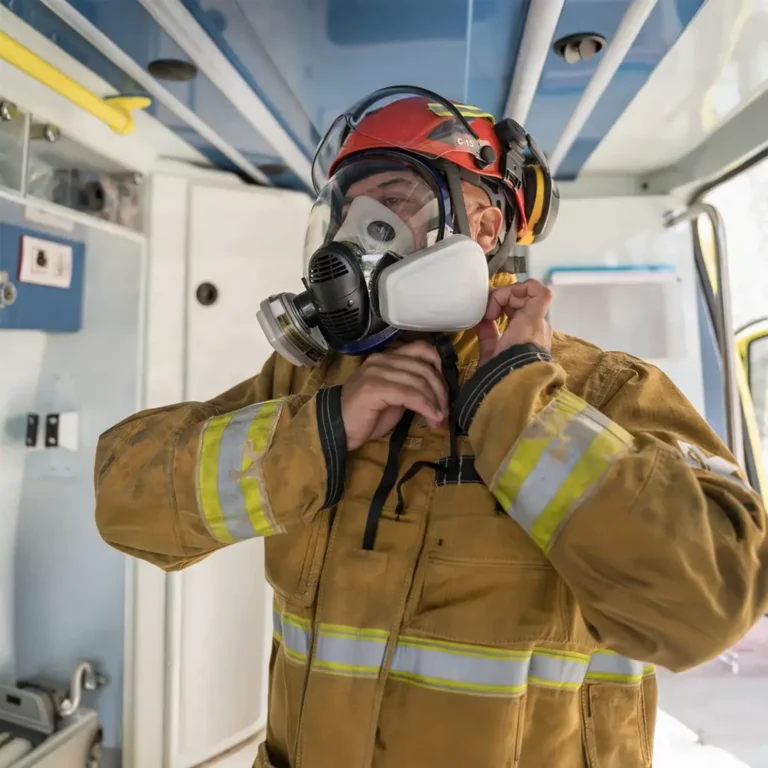
Personal protective equipment and hazard control.
Hazardous materials and HAZWOPER.
Fire prevention and emergency response.
Electrical safety and energy control.
Tools and equipment safety.
Material handling.
Rigging.
Load handling equipment.
Excavation.
Demolition.
Scaffolding.
Fall protection.
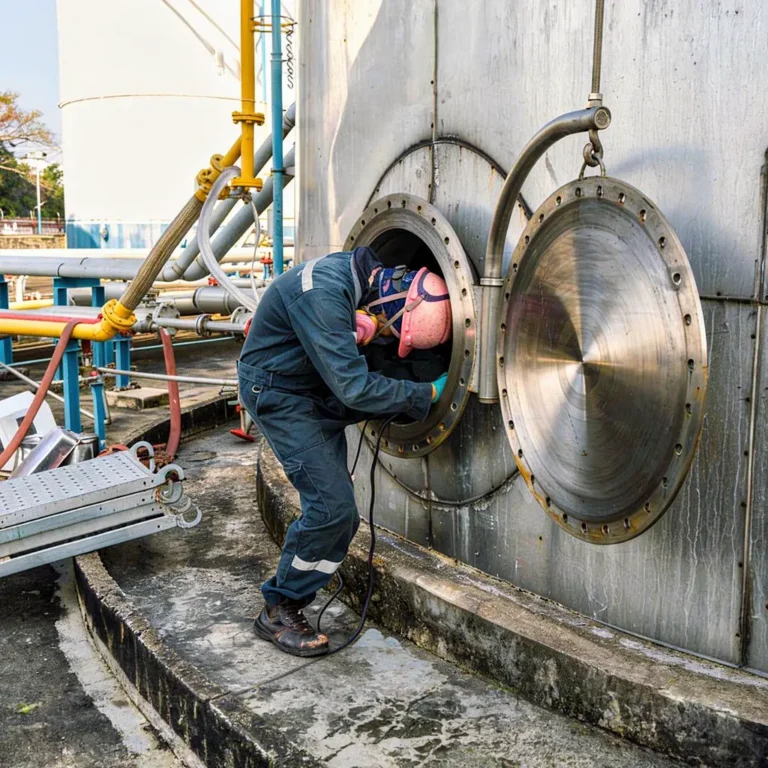
Confined spaces.
OSHA Standard
EM 385-1-1 (2024 Edition)
Course Duration
40 hours
Format
100% online, fully narrated with photos and interactivity
Passing Score
70% on final exam
Certificate
Personalized certificate, printable immediately upon passing
Languages
English
Device Compatibility
Desktop, tablet, and smartphone
Progress
Progress saved automatically, stop and restart without losing your place
Accepted
Our courses meet federal standards, but state requirements may vary. Please verify before purchase.
EM 385-1-1 arrives through the contract, not through a regulator, so it reaches everyone working on or running a job site the Army Corps of Engineers or NAVFAC manages.
Contractors on a construction project that USACE or NAVFAC manages.
Subcontractors brought onto a federal job that names EM 385-1-1 in the contract.
Site safety and health officers, the SSHOs, on federal construction projects.
Project managers and superintendents running federal construction work.
Quality control managers on USACE or NAVFAC projects.
Military personnel and government employees working on federal job sites.
Safety professionals who need to know how USACE requirements differ from what they already run.
Workers moving onto federal projects for the first time.
If the Corps of Engineers or NAVFAC manages the project, EM 385-1-1 is in the contract whatever the work is.
Federal construction under U.S. Army Corps of Engineers management.
NAVFAC managed construction and facility work.
Military base construction, renovation and sustainment.
Government contracting and subcontracting firms bidding federal work.
Civil engineering and infrastructure projects on federal land.
Environmental remediation on federal sites.
Demolition and hazardous material abatement on federal projects.
Heavy civil construction for federal agencies.
Utility and electrical work on government managed sites.
Dam, levee and flood control work under Corps of Engineers management.
Which Job Sites Run Under the 2024 EM 385-1-1 Manual?
EM 385-1-1 applies to the U.S. Army Corps of Engineers itself and to USACE contracts, including contracts administered on the Corps' behalf. It reaches a job through the contract, not through a regulator.
It is a contract document, not a federal regulation. EM 385-1-1 is a USACE engineer manual. Nobody is cited under it the way they are cited under a CFR standard. It binds because it is written into the contract, which is why the contracting officer is the person who settles any question about it.
It covers the Corps' own organizations too. USACE states that the manual applies to Headquarters USACE, major subordinate commands, districts, centers, laboratories and field operating activities, as well as USACE contracts and those administered on behalf of USACE.
NAVFAC applies it as well. NAVFAC publishes the manual to its own contractors, so a Navy facilities project can carry the same requirements as a Corps project.
It sits on top of what you already do, not instead of it. Federal work does not stop being federal work. Crews on these sites usually carry OSHA training as well, and some contracts ask for both by name.
If your contract names EM 385-1-1, this is the 40-hour course built to it, in the edition that has been in force since March 2024.
Everything you need to know about the 40 Hour EM 385-1-1 (Update 2024).
Yes. Upon passing the final exam with a score of 70% or higher, you can immediately print a certificate of completion. This certificate serves as proof of training for your employer.
Yes. The course is accessible on desktop computers, laptops, tablets, and smartphones. Progress saves automatically on the same device, so you can stop and resume where you left off.
EM 385-1-1 training is a 40-hour safety and health training program based on the U.S. Army Corps of Engineers (USACE) Safety and Health Requirements Manual, EM 385-1-1. The training covers all major safety and health topics required for work on USACE- and NAVFAC-managed construction and operations sites, including hazard identification, PPE, electrical safety, fall protection, excavation, confined spaces, and more.
EM 385-1-1 training is required for contractors, subcontractors, military personnel, and government employees who perform work on job sites managed by the U.S. Army Corps of Engineers (USACE) or the Naval Facilities Engineering Systems Command (NAVFAC). Site safety and health officers (SSHOs) and other safety personnel on these projects are typically required to complete the full 40-hour course.
The course requires 40 hours of instruction time. Because it is self-paced, you can complete it over multiple sessions at your convenience. You have 6 months from enrollment to finish. Progress saves automatically on the same device.
The course covers program management and site safety, sanitation and first aid, PPE and hazard control, hazardous materials and HAZWOPER, fire prevention and emergency response, electrical safety and energy control (lockout/tagout), tools and equipment safety, material handling, rigging, load handling equipment, excavation, demolition, scaffolding, fall protection, confined spaces, and additional topics from the EM 385-1-1 manual.
Yes. eTraining’s EM 385-1-1 course is fully compliant with the 2024 revisions to the USACE EM 385-1-1 Safety and Health Requirements Manual. The course content reflects the most current version of the manual.
Yes. Upon passing the final exam with a score of 70% or higher, you receive a downloadable certificate of completion and a wallet-sized ID card as proof of compliance with EM 385-1-1 training requirements.
No. EM 385-1-1 training and OSHA 30-Hour training are separate programs with different requirements. EM 385-1-1 is specific to federal construction sites managed by USACE and NAVFAC, and is based on the EM 385-1-1 Safety and Health Requirements Manual. OSHA 30-Hour is part of OSHA’s Outreach Training Program and covers OSHA standards (29 CFR 1926 for construction). Some federal projects may require both.
eTraining’s 40-Hour EM 385-1-1 course is designed to meet the training requirements of the USACE EM 385-1-1 manual. Acceptance may vary by contracting officer or project-specific requirements. Workers should verify with their contracting officer that online training is accepted for their specific project.
There is no federally mandated expiration date for this training certificate. However, health and safety plans should be reviewed and updated annually, and whenever workplace conditions, hazards, or regulations change. Refresher training is recommended to stay current with evolving OSHA standards and best practices for safety program management.
Better Training. Better Outcomes.
Fifteen years, 200,000+ professionals certified, and a completion rate roughly double the industry average.
OSHA citation printed on every certificate
Your employer and site safety officer can verify compliance at a glance, with no phone calls and no lookups.
No setup. No LMS. Training in minutes.
Pay once, get instant access. No account setup, no downloads, no IT involvement. Works in any browser.
Built for field workers, not classrooms
Grounded in real jobsite operations. Scenarios reflect the work your crew actually does.
Trusted by safety managers & contractors
Used by EHS managers, general contractors and federal site supervisors to keep crews certified on time.
Join our monthly newsletter covering industry stories, news & timely updates, and get a free 110-page OSHA manual covering the latest training requirements.
eTraining and the eTraining logo copyright 2026 eTraining, Inc. All Rights Reserved.








Very Informative
A+ Great price. A All info is repetitive which is good for memory. A- Ease of navigating site
Great course
Great Course!
This was a great course.