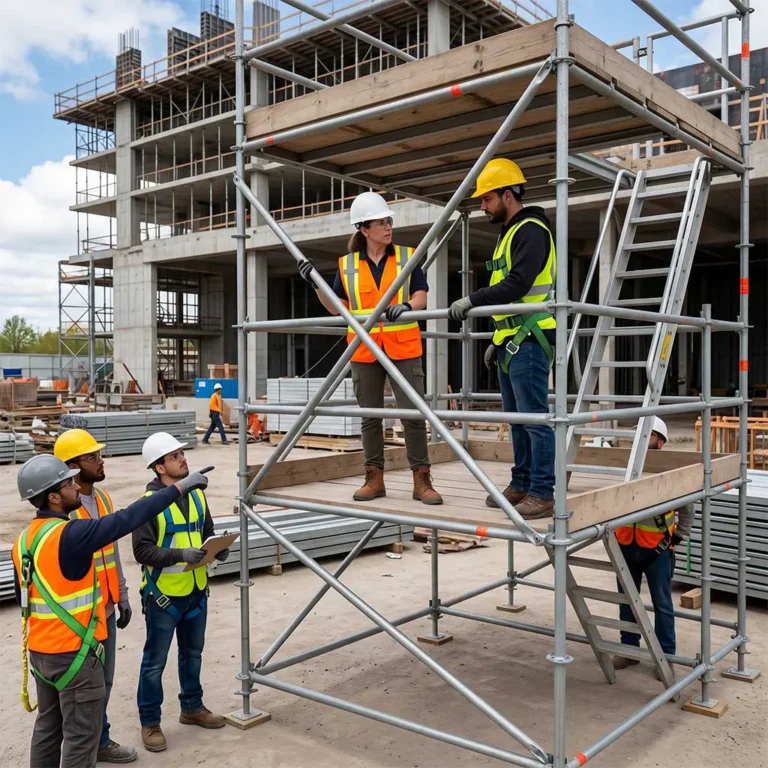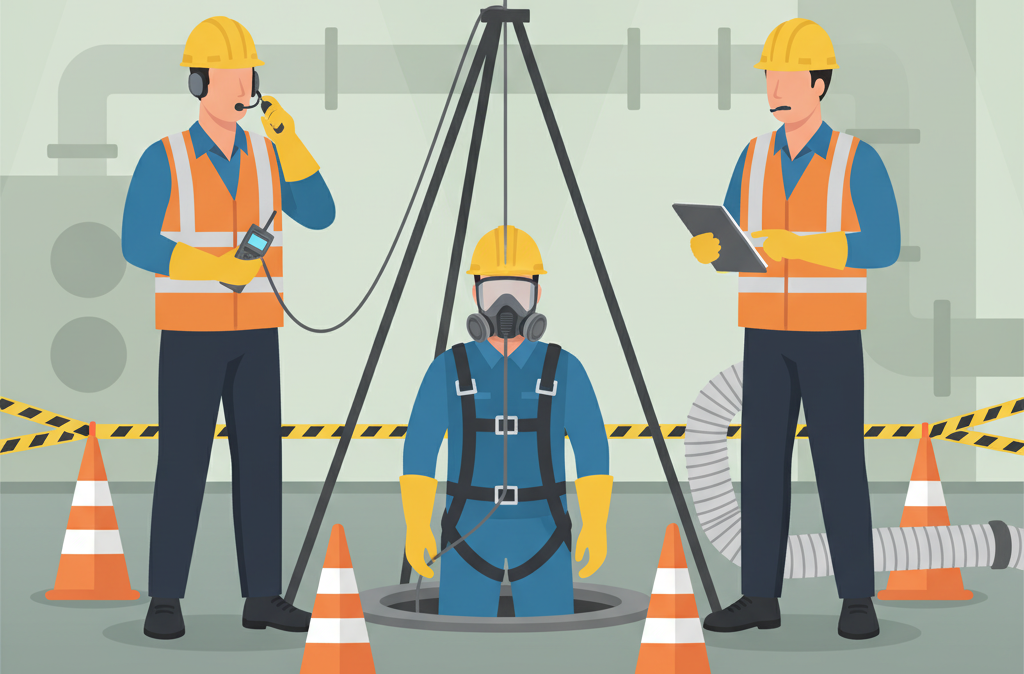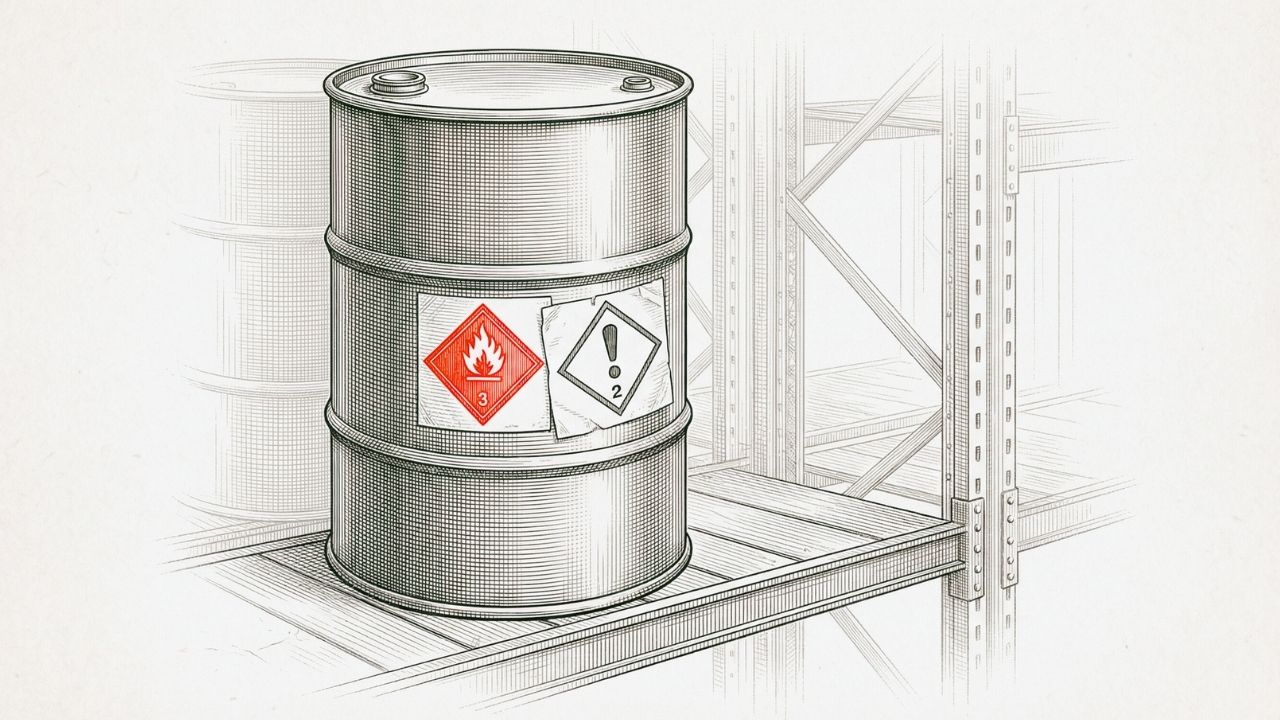



Building workplace safety awareness on the job can be an application of two extreme views of managing people. The first would be analogous to the army first sergeant, who might tell his troops, “What I’m about to teach you will save your life, because if you don’t learn it I will kill you!” Or there’s the less threatening approach that employs posters with clever and pithy slogans like “Safety is no accident.”
The realistic approach
Then there’s the middle approach that adapts to the circumstances of the work environment. It employs the “first sergeant” approach when necessary to correct a safety hazard or dangerous practice and takes whatever measures are necessary to keep everyone safe. Most of the time, however, it is the application of what the first sergeant may have learned in leadership training: people tend to perform best those tasks in which the boss takes personal interest. When those tasks include a routine safety component, people stay safe and accidents are rare.
Including the safety component
Keeping accidents rare (and preferably nonexistent) requires a “threat assessment” on the part of those in charge. The assessment is not only common sense and drawn from personal experience, it is also recognition that almost every safety rule was written as a result of some sort of past disaster somewhere. The assessment is a combination of both “it can happen here,” and “it has happened somewhere.” It is sort of a healthy concern way short of paranoia but totally excluding complacency.
Handling safety training
The second part of a safety assessment is a knowledgeable application of state and federal safety regulations that govern not only safety but also how people must be trained for safety. In a classic application of the fact that “ignorance of the law is no excuse,” government fines and sanctions can put a company out of business, exacerbating every other tragic circumstance that accompanies damage to human beings. So safety awareness is a double-edge sword: knowing the rules and knowing what safety training has to be done.