
Safety signs aren’t just boxes to check for compliance—they’re a critical part of keeping workers safe on the job. On construction and industrial sites, where hazards are around every corner, clear and well-placed signage helps prevent accidents, ensures compliance, and keeps everyone aware of their surroundings. When signs are done right, they save lives.
In an industry where power tools, heavy machinery, chemicals, and high-risk tasks are part of the daily routine, visual communication is essential. Safety signs are one of the fastest and most effective ways to share life-saving information. Whether it’s warning workers of an overhead load, pointing out a confined space, or marking where PPE is required, a well-placed sign can mean the difference between a close call and a serious injury.
OSHA Rules for Safety Signage
The Occupational Safety and Health Administration (OSHA) has strict rules in place to standardize signage across job sites. These regulations are designed so that workers know what to expect when they see a sign, no matter where they’re working.
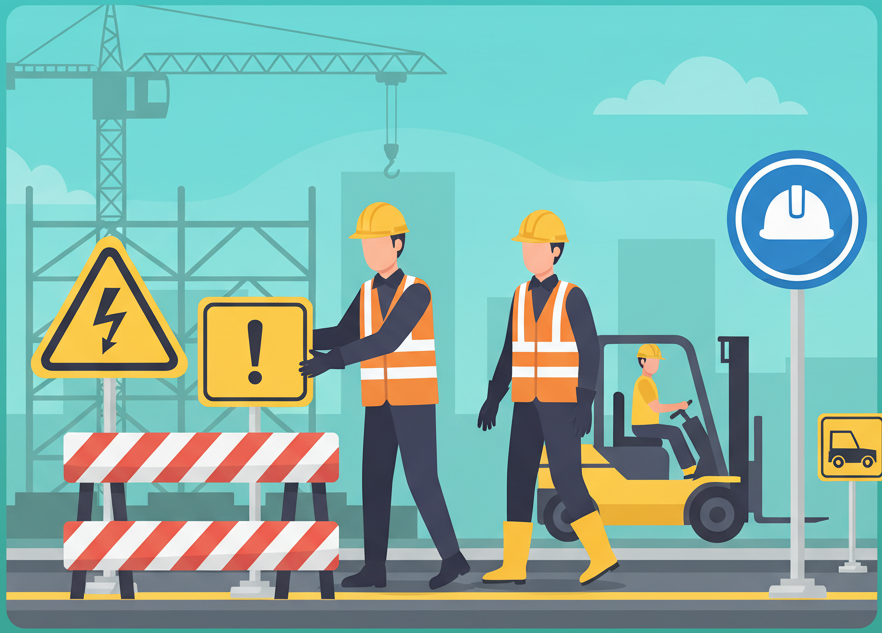
Here’s an example and a breakdown of the main OSHA-approved sign types:

Danger Signs
Used for immediate, serious hazards that could result in death or severe injury. These signs typically feature a red background with white lettering, often with the word “DANGER” in bold. You’ll see these near exposed electrical panels, high-voltage areas, or near drop-offs.Caution Signs
These signs warn about potential hazards that could cause minor or moderate injuries. They usually feature a yellow background with black lettering and often say “CAUTION.” You’ll see them around slippery floors, low clearance areas, or places with trip hazards.Safety Instruction Signs
These provide general safety information, instructions, or required procedures. They typically have a white background, a green panel, and white lettering. Examples include signs that say “Wear PPE,” or “First Aid Station.”Notice Signs (less commonly discussed but still important)
These communicate general facility information, policies, or operational details. They’re usually blue and white. For example, “No Smoking” or “Authorized Personnel Only.”
OSHA also encourages employers to use ANSI (American National Standards Institute) formats where applicable to improve clarity.

How to Make Safety Signs More Effective
Simply having signs posted isn’t enough. For signage to truly reduce risk, it needs to be strategic, consistent, and visible. Here’s how to make sure your signs actually serve their purpose:
1. Place Them Where They Matter
Think about sight lines. A sign doesn’t do much good if it’s hidden behind a stack of materials or hanging too high to be noticed. Signs should be installed at eye level, in well-lit areas, and as close as possible to the specific hazard they relate to. For example, don’t just hang a “Fall Hazard” sign at the site entrance—place it right where scaffolding or open edges begin.
2. Be Consistent in Design
Standardize your site signage so that workers can instantly recognize what they’re looking at. Stick with OSHA color codes and common safety symbols. Don’t try to get creative with fonts or designs—it’s better to use proven templates that get the message across immediately.
3. Inspect and Maintain Signs
Job sites are harsh environments. Dust, sun, rain, and wind all take a toll on signage. Over time, signs can fade, peel, or become unreadable. Include signage checks in your regular safety walk-throughs. Replace damaged or missing signs immediately—don’t wait for an incident to realize a sign was unreadable.
4. Account for Language and Literacy Barriers
Many crews are multilingual, and not all workers may read fluently. That’s why signs should include universal symbols or pictograms, and when possible, text should be translated into the common languages spoken on-site. This is especially important for hazard warnings, PPE requirements, and emergency procedures.
Safety Signs Only Work When Workers Know What They Mean
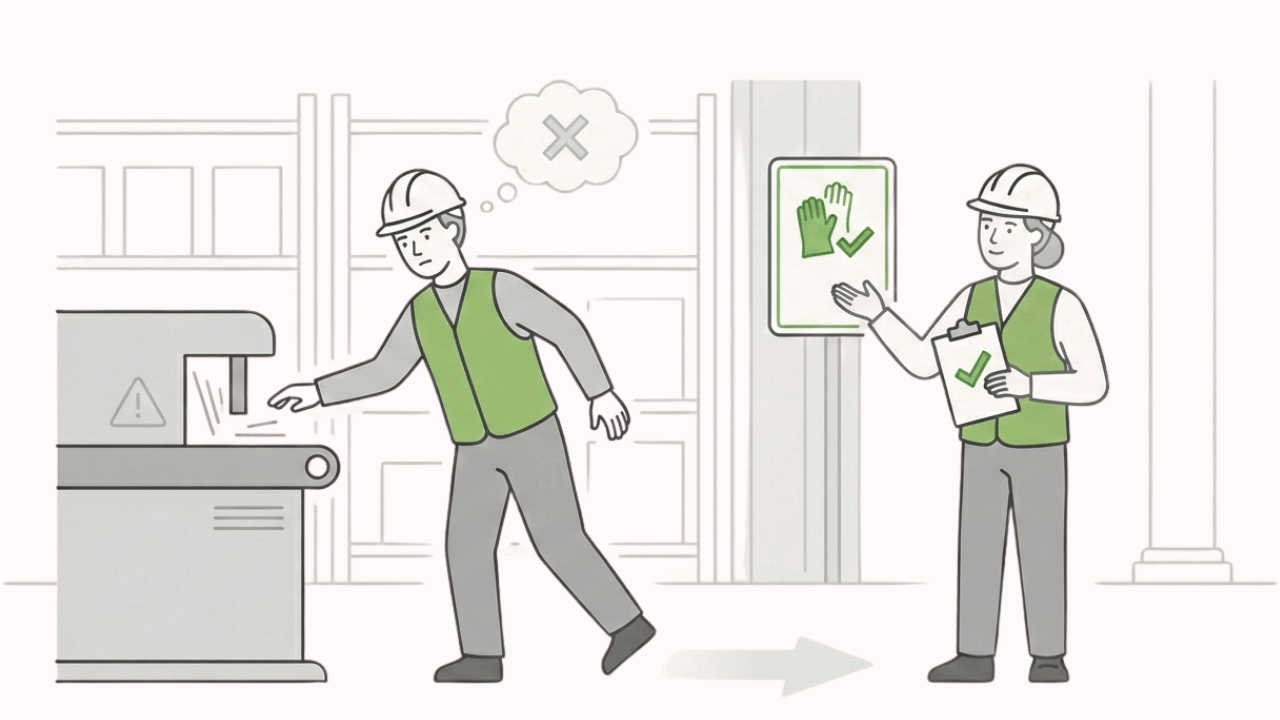
Even the best signage won’t help if workers don’t understand what it’s telling them—or if they don’t know how to act on the information. That’s why training is just as important as posting signs.
For example, a lockout/tagout (LOTO) sign only works if workers are trained in those procedures. LOTO involves safely shutting down and isolating machines before maintenance, and misunderstanding that process can lead to devastating accidents.
The bottom line: safety signs are most effective when used alongside safety training. Workers should regularly receive refreshers on what various signs mean, when to take action, and how to report damaged or missing signage.
📘 Need more support?
Our Lockout Tagout Training Course offers hands-on knowledge on identifying and complying with safety tags and lockout procedures.
Common Questions About Safety Signs
Q: What should I do if a safety sign is damaged or missing?
A: Report it and replace it immediately. Damaged or unreadable signs create confusion, increase the chance of an accident, and can lead to OSHA violations.
Q: How often should safety signs be inspected?
A: Signs should be checked during routine safety inspections. A general recommendation is once every three months, though more frequent checks are wise for sites exposed to extreme weather or high traffic.
Q: Are pictograms required on all signs?
A: Not always, but they are highly recommended—especially on multilingual sites. A graphic of a hard hat or skull and crossbones gets the point across faster than text alone.
Q: Can I make my own safety signs?
A: Yes—but they must still meet OSHA and ANSI standards in terms of colors, font sizes, wording, and placement. It’s often easier (and safer) to use pre-approved sign templates or purchase signs from a certified vendor.
Final Thoughts
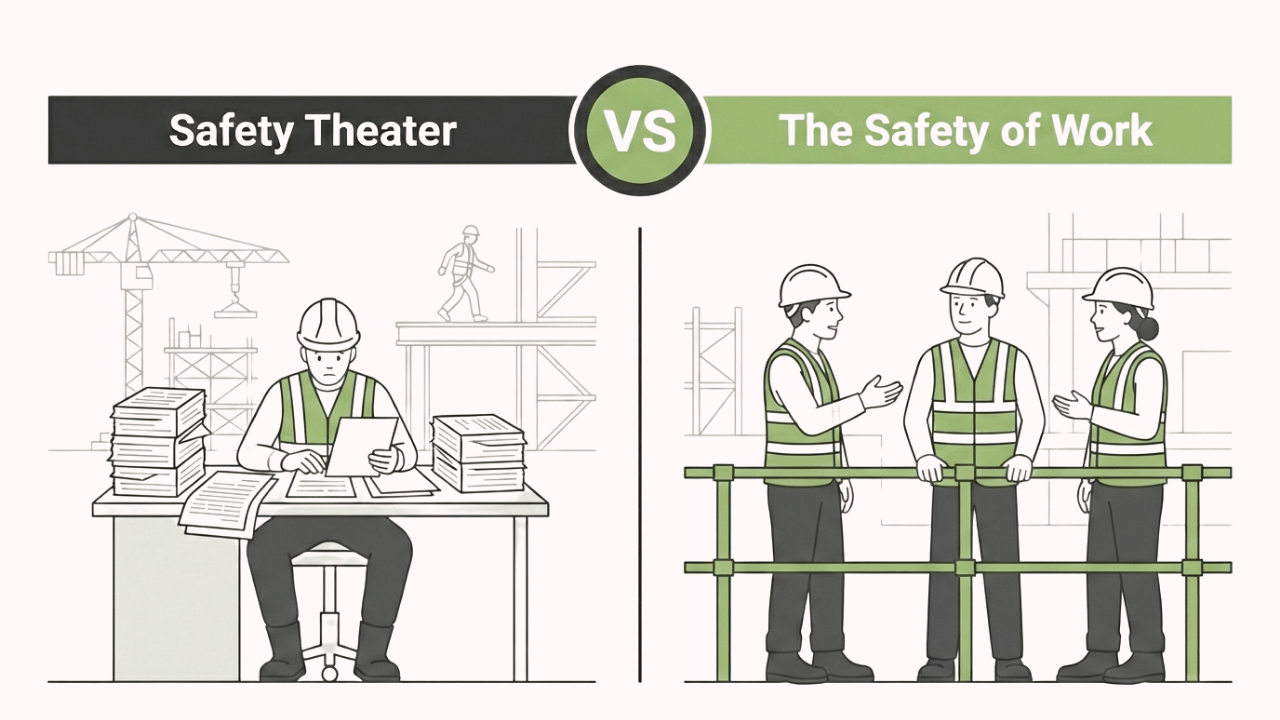
Safety signage is more than a legal requirement—it’s a daily reminder to every worker that their well-being matters. When signs are properly placed, easy to read, and clearly understood, they reduce accidents, save time, and foster a culture of awareness and responsibility.
But remember: signs alone can’t do the job. They must be supported with proper training, regular maintenance, and a commitment to creating a safe environment for everyone on-site.
Take the time to review your site’s signage today. Is everything clearly labeled? Is the information still accurate and legible? Are your workers confident in what the signs are telling them?
If not, now’s the time to fix it—before something goes wrong.