

When it comes to workplace safety, Personal Protective Equipment (PPE) is your safety net—the last barrier between your workers and potential hazards. But with so many options out there, how do you figure out which gear is right for your team? Don’t worry; we’ve got you covered. This guide breaks down everything you need to know to choose PPE that’s both effective and practical for your job site.
Why Does PPE Matter?
Let’s be real—PPE isn’t just about checking off a compliance box. It’s about protecting lives. Thousands of injuries happen every year because people don’t have the right gear or don’t use it correctly. The right PPE can help prevent accidents, minimize risks, and ensure everyone gets home safely at the end of the day.

Step 1: Identify the Hazards
Every workplace is different, so the first step is figuring out what risks your team might face. This means doing a thorough hazard assessment. Ask yourself:
- Are there physical risks like falling objects, sharp edges, or heavy machinery?
- Could workers be exposed to chemical hazards like fumes, solvents, or acids?
- Are biological hazards a concern—things like viruses, bacteria, or mold?
- What about environmental factors like extreme heat, loud noises, or radiation?
Once you know the risks, you’ll have a better idea of the types of PPE your team needs.
Check it out with OSHA:
- Check out this Hazard Identification and Assessment guide provided by OSHA: https://www.osha.gov/safety-management/hazard-identification
Step 2: Learn the PPE Basics
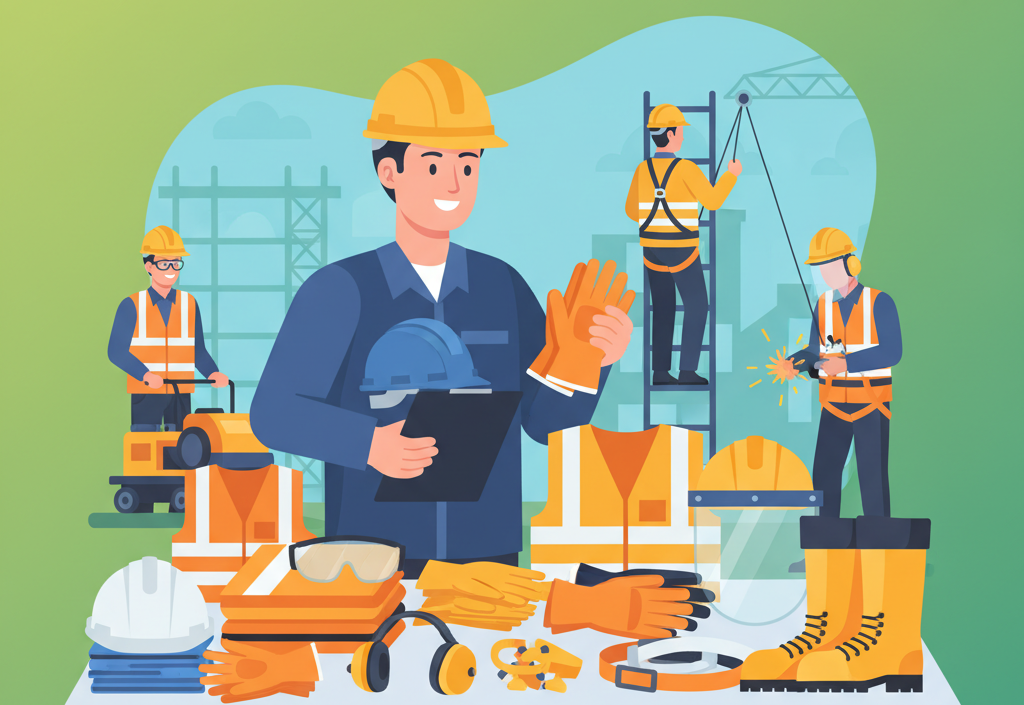
PPE isn’t one-size-fits-all—each type serves a specific purpose. Here’s a quick cheat sheet:
Type | What It Protects | Examples |
Headgear | Falling objects or impact | Hard hats, bump caps |
Eye & Face Gear | Splashes, debris, or radiation | Safety goggles, face shields |
Hearing Protection | Harmful noise levels | Earplugs, earmuffs |
Respirators | Dust, fumes, or harmful particles | Masks, respirators |
Gloves | Cuts, burns, or chemicals | Latex, Kevlar, or rubber gloves |
Footwear | Falling objects, slips, or punctures | Steel-toe boots, anti-slip shoes |
Body Coverage | Visibility or hazardous environments | High-vis vests, coveralls |
Step 3: Match the Gear to the Job
The PPE your team needs depends on the job at hand. Here’s a quick guide to help you match gear to specific tasks:
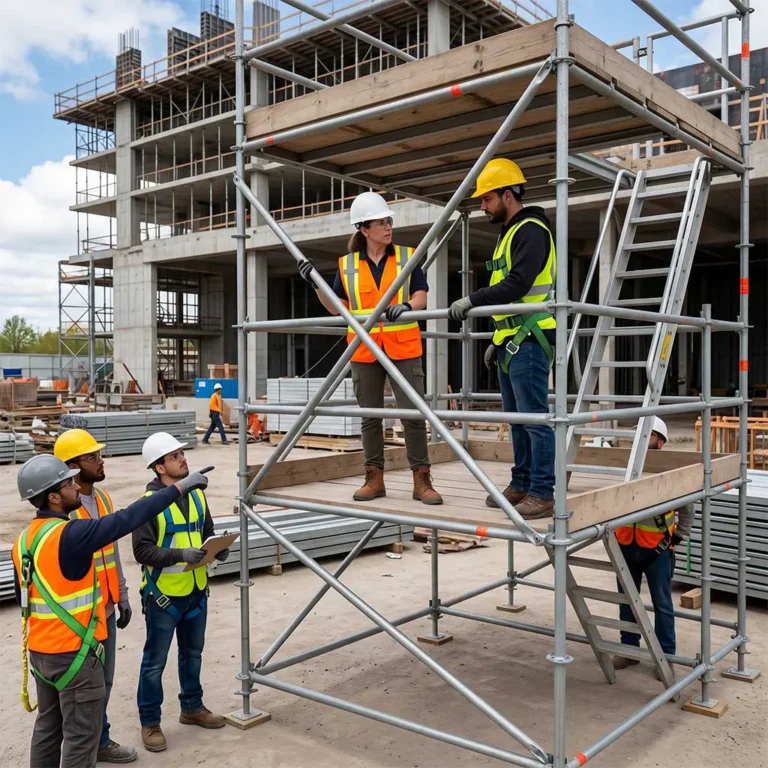
- Construction sites: Think hard hats, gloves, steel-toe boots, and high-visibility vests.
- Healthcare settings: Gloves, masks, face shields, and gowns for biological protection.
- Manufacturing floors: Safety glasses, hearing protection, and flame-resistant clothing.
- Chemical handling: Chemical-resistant gloves, goggles, and respirators are must-haves.

Step 4: Make Sure It Fits (and Feels Good)
Here’s the deal: PPE only works if your team actually wears it. Ill-fitting gear? That’s a recipe for discomfort—and non-compliance. Make sure your PPE:
- Fits snugly without being too tight or restricting movement.
- Comes with adjustable options to suit different body types.
- Is made of breathable or lightweight materials for longer wear.
Step 5: Train Your Team and Keep Gear in Top Shape
Handing out PPE isn’t enough—you’ve got to train your team to use it properly. Cover the basics like:
- How to wear and adjust PPE for the best protection.
- How to spot damage and know when to replace worn-out items.
- The right way to clean and store PPE so it lasts longer.
And don’t forget to schedule regular inspections to ensure everything stays safe and compliant.
Here’s a great resource from OSHA for assessing your PPE needs and standards: https://www.osha.gov/training/library/personal-protective-equipment/assessment
What NOT to Do
Avoid these common mistakes to keep your team safe:
- Using a one-size-fits-all approach: PPE should be tailored to each task—and each worker.
- Skipping hazard assessments: Don’t guess. Always identify risks before buying gear.
- Neglecting maintenance: Damaged PPE won’t protect anyone.
Final Thoughts: Safety First, Always
Investing in the right PPE isn’t just smart—it shows your team that you care. By identifying hazards, choosing the best gear, and making sure it’s used correctly, you’re creating a workplace that puts safety first. Because at the end of the day, nothing matters more than making sure everyone goes home safe.

FAQs
1. How often should PPE be replaced?
It depends on the type. For example, disposable gloves should be swapped after each use, while a hard hat can last years unless it’s damaged.
2. Can workers share PPE?
Some items, like helmets, can be shared if cleaned properly. But personal items like respirators or earplugs should always be assigned individually.
3. What if the PPE doesn’t fit?
Don’t try to make it work. Replace it with something that fits properly—no exceptions.
By taking these steps, you’re not just providing equipment; you’re building a culture where safety is a priority. Your team will thank you for it.
Share This